
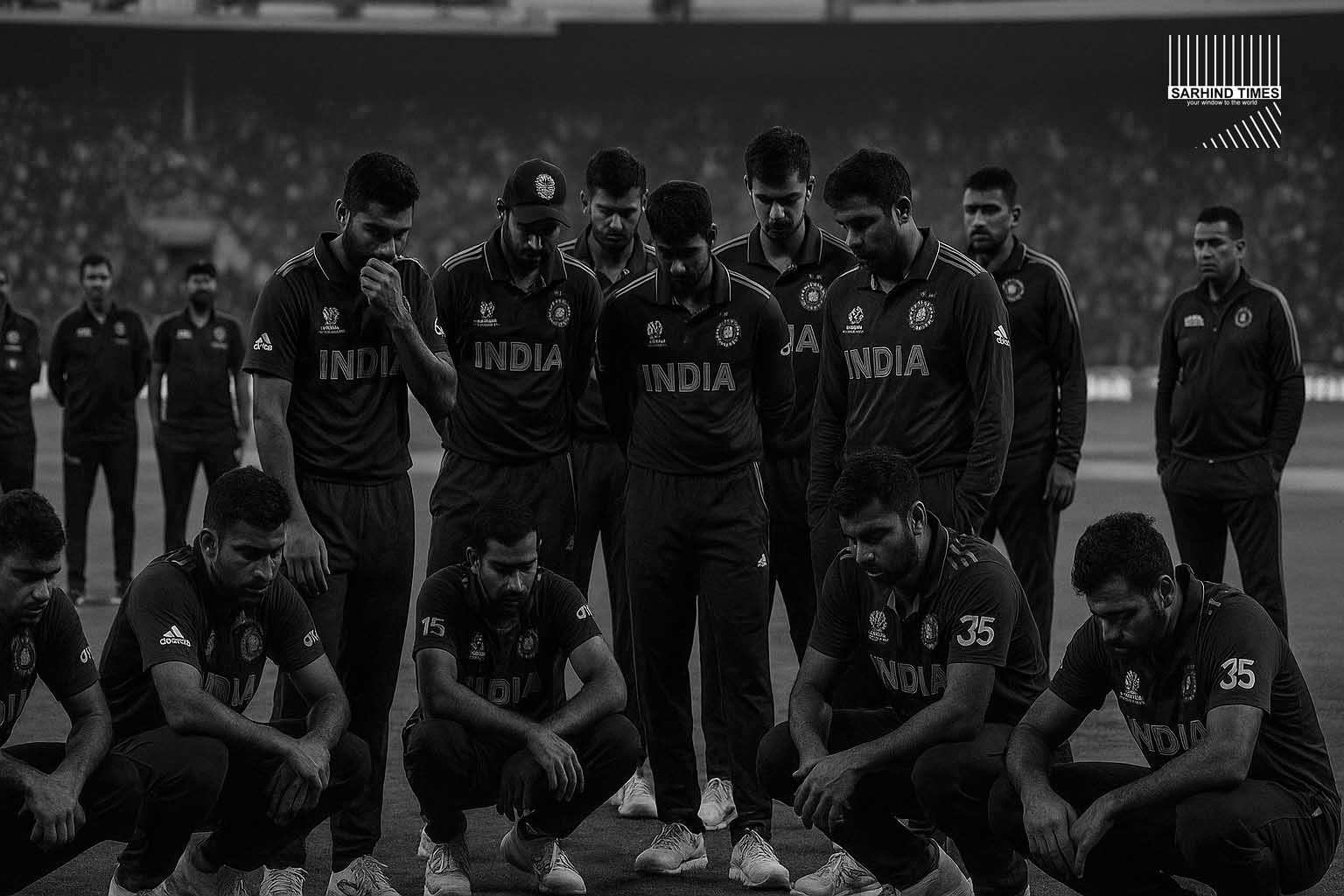
India’s unexpected collapse in the first Test versus South Africa national cricket team has triggered alarm bells over selection clarity, team culture and the direction of Test cricket at home.
Dateline: Kolkata/New Delhi | 18 November 2025
Summary: India surrendered to a 30-run defeat by South Africa in the opening Test at Eden Gardens, a loss that has revived longstanding concerns about Test-match preparation, leadership clarity and rising insecurity among players. Former stars and analysts have criticised the team’s approach, selecting policy and handling of spin conditions as contributing factors. With the second Test scheduled in Guwahati, the pressure is on to salvage series pride and recalibrate for the future.
The defeat that triggered scrutiny
Indian men’s team, hosting South Africa, seemed poised for a confident start. But at Eden Gardens they were undone by a combination of mis-judged pitch behaviour, tactical mis-steps and a batting unit that looked short of confidence when it mattered. Batting in the fourth-innings chase of a modest target, India’s lineup unravalled and were bowled out for 93 — a collapse that raised echoes of India’s historic failures in spin-friendly conditions. The spinner Simon Harmer ran through the Indian batting order, exploiting variable bounce and foot-marks on a surface that many felt deteriorated faster than expected. Observers say the preparation for the surface may have lacked realism; escalated wear-and-tear during the game hit India hardest in the final session.
Why has the loss rattled more than usual?
While defeats are part of sport, this one stands out for multiple reasons:
– It occurred at home, in front of a passionate Eden Gardens crowd, raising questions about home-advantage value.
– The manner of collapse — batters unable to handle the conditions despite previous exposure to spin-friendly pitches — suggests deeper issues than mere execution.
– Former stars have pointed to “fear and insecurity” among players, undermining performance.
– The defeat has reignited discussion over selection clarity, the role of the coaching-staff and leadership under pressure.
Speaking candidly on a broadcast forum, former India player Mohammad Kaif said: “Everyone in the squad is playing with fear. There’s no feeling that someone’s backing you.” The comment encapsulated what many view as a cultural gap tilting India away from their once-dominant Test self.
Selection and leadership in focus
One of the loudest criticisms has been directed towards clarity of selection and tactical consistency. An article in a major sports daily described the issue as “selections without clarity striking at the heart of India’s deep-rooted problem”. The headline posed a stark question: if the best players aren’t backed by coherent strategy and communication, how can they deliver on big occasions?
Analysts argue that his team management has been reactive rather than proactive: frequent changes in playing XI, unclear spin combination, indecision around batting order, and last-minute calls all create uncertainty. When players believe the system doesn’t have their back, the default moves toward caution rather than composed aggression.
The BCCI and team management will need to address this quickly. With the second Test looming in Guwahati, there is precious little time to rebuild confidence, refine plans, and communicate a sharper, unified message.
What the pitch told — and what it hides
Pre-match, Eden Gardens was expected to favour spin gradually; that turned out to be an understatement. The ball turned sharply, variable bounce emerged, inconsistent width and surface cracks appeared far quicker than anticipated. The South Africans adapted better; India didn’t. The batting collapse in the fourth innings was symptomatic of mindset and planning as much as execution.
Preparations have come under scrutiny: Was the wicket curbed too early? Did team-India underestimate the threat of a deteriorating surface? Did the support staff monitor enough earlier sessions to adapt plans? These questions now hang over the camp.
Inside the dressing room — a fragile confidence
Post-match interviews and media glimpses show a team short on swagger. Usually aggressive, India’s batters looked hesitant; shots were mistimed, judgement delayed. The former star Kaif’s observations about fear and insecurity resonated — players not trusting the system or each other under pressure.
One senior observer noted: “Cricket at this level is mental more than physical. When you don’t believe someone’s got your back, you shrink. That’s what appeared in Kolkata.”
The captain, coaches and senior players must now rebuild that belief quickly. The next match offers no luxury of time or margin for error.
Second Test: Guwahati challenge and opportunity
The stage now shifts to the Barsapara Cricket Stadium in Guwahati for the second and final Test starting 22 November. Conditions in Assam are different yet still favour spin and tricky bounce, meaning India cannot afford a repeat of unfocused preparation. A series loss would damage not just current momentum but also India’s standing in the World Test Championship rankings.
For India, an urgent three-point plan emerges:
1. Clarity on selection and roles — batsmen, spinners and finishers must know where they fit.
2. Adjustment of mindset — from fear to freedom; coaching to remind players that they are backed.
3. Match-specific preparation — practice sessions must simulate variable bounce, short-ball threats and spin-work into fourth innings.
The camp has already instituted extra sessions for batters facing turning, kicking tracks; senior pro-batters will mentor juniors on reading footmarks and handling lower-order responsibility. The bowling management is also being reviewed, especially spin rotation and how to use two spinners wisely.
Broader implications for India’s Test culture
This defeat is more than just one loss; it magnifies concerns about India’s Test culture in a changing world. Some of the deep-rooted issues:
– Over-emphasis on white-ball success: With IPL and T20 dominating attention, Test cricket has arguably received less strategic-depth focus.
– Turnover of coaches and selection committees: Frequent changes breed instability and deprive teams of long-term clarity.
– Spin overload in Indian conditions: While Indian sides have traditionally dominated spin, reliance on old-style strategies—slow down, grind out sessions—may no longer suffice as opposition teams evolve.
– Youthful batters lacking experience in severe fourth-innings hunts: Algorithms for preparation may be outdated, given modern pace/spin hybrids and uneven bounce.
Former captain Rahul Dravid and senior voices are expected to offer inputs to rebuild culture. The next few months may decide whether India rediscovers its hunger for victory in Test cricket or drifts further into reliance on limited-overs dominance.
What players, selectors, and fans should watch
For the fans — passionate, expectant, often impatient — the signal is clear: this is a moment of reckoning. Here’s what to monitor:
– Will Indian batters show fight and clarity in Guwahati?
– Will selection transparency improve (less mid-series chopping and changing)?
– Will roles become clearly defined (both in playing XI and management)?
– Will senior players stand up and lead by example – in craft, mindset and communication?
– Will the BCCI allow time and patience for restructuring, beyond media cycles?
If these questions are answered positively, India may stabilise Test input; if not, the loss at Eden Gardens may come to symbolise a broader slide in red-ball credibility.
Conclusion: A call for urgency, not just introspection
Losses are not fatal—but the manner, timing and frequency matter. For India, the Eden Gardens setback is wake-up-call, not sentence. The next few weeks must shift from blame to building; from fear to confidence; from unclear messaging to transparent direction.
If India can bounce back in Guwahati, display resilience, fight spirit and coherence, then this episode may become a turning point. If not, it may usher in a prolonged phase of uncertainty in India’s Test journey.
For content-creators, analysts and enthusiasts, the story is not just about runs and wickets—it is about culture, clarity, communication and confidence. The game of cricket lives in those spaces as much as it does in numbers.
In the end, the hope is that India’s players, selectors and fans remember this: Test cricket is not just about surviving—it is about thriving. And the journey back begins now.



+ There are no comments
Add yours