
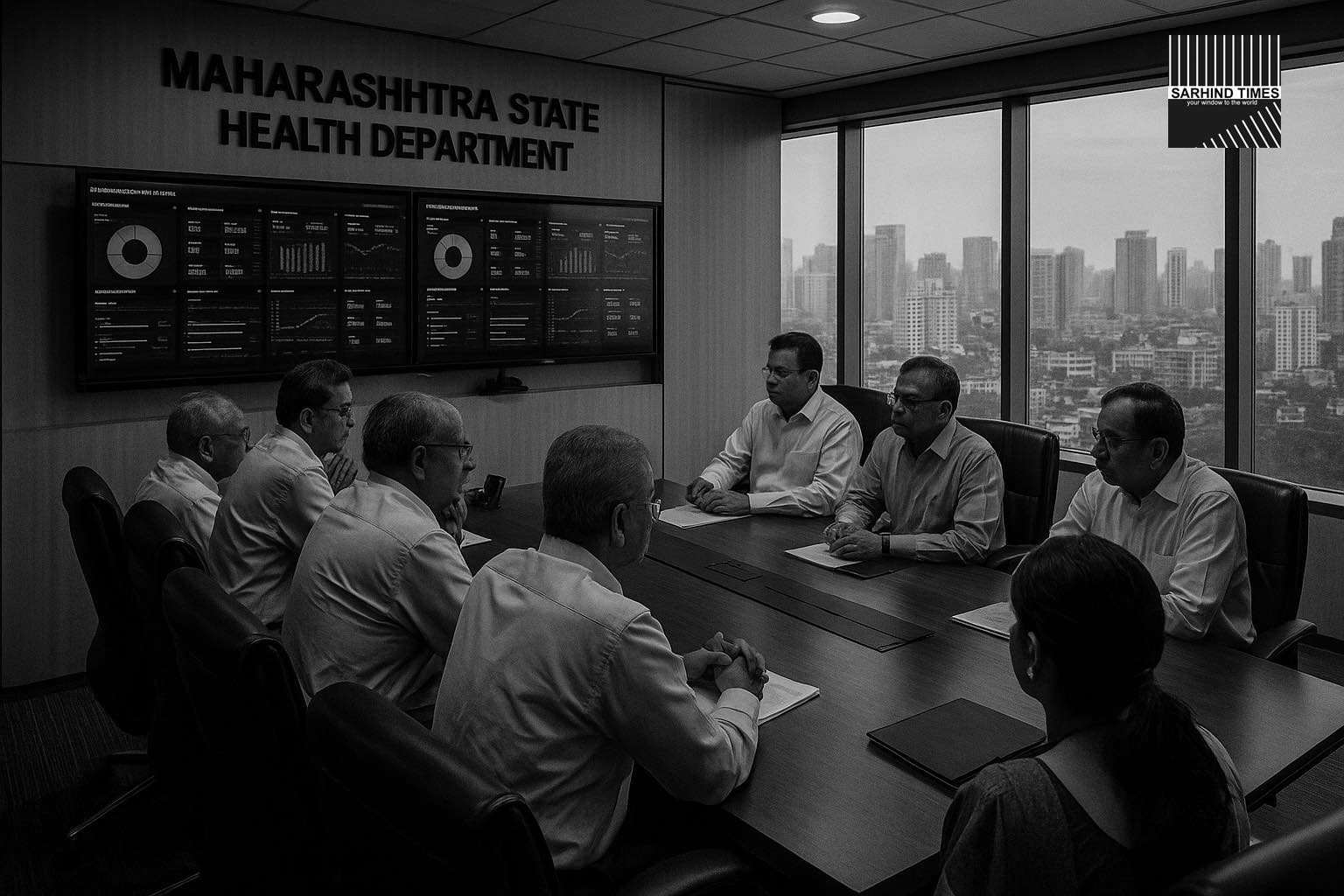
New governance structure and enlargement of treatment-scope mark a substantial shift in the state’s public-health architecture
Dateline: Mumbai | November 7 2025
Summary: The Maharashtra Cabinet has approved the creation of an Urban Health Commissionerate tasked with overseeing health services in urban areas, and simultaneously expanded the umbrella health insurance scheme Mahatma Jyotiba Phule Jan Arogya Yojana (MJPJAY) to cover 2,399 illnesses and offer free treatment up to ₹5 lakh (and higher for selected diseases).
Overview of the Decision
In a significant move for public-health governance, the Government of Maharashtra has instituted an Urban Health Commissionerate within its Public Health Department. The new structure will oversee service delivery across the state’s 29 municipal corporations, 247 municipal councils and 147 nagar panchayats—together covering nearly half of the state’s population in urban and peri-urban areas. Concurrently, the flagship state scheme, MJPJAY, has been upgraded to include 2,399 illnesses under its cover (up from 1,300) and maintain free treatment benefits of up to ₹5 lakh per family per annum. For certain high-cost or critical diseases, the ceiling has been set at ₹10 lakh or more.
Need for Urban Health Reform
Maharashtra’s urban areas face rapid population growth, rising non-communicable diseases, infrastructural stress and fragmented health governance. Until now, urban public health responsibilities were divided between the Public Health Department and municipal urban development departments, often resulting in overlapping functions, gaps in monitoring and slow response to health emergencies. The new commissionerate aims to streamline governance, unify urban health delivery, improve coordination between city-level agencies and the state health apparatus, and strengthen accountability.
Additionally, the expansion of MJPJAY reflects recognition of increasing disease burden in the state—including rising incidence of cardiovascular disease, cancers, chronic kidney disease and other high-cost treatments. By widening the list of illnesses covered and enhancing treatment caps, the state aims to reduce out-of-pocket expenses, enhance access to tertiary care and provide financial protection for vulnerable families.
Key Structural Elements of the Urban Health Commissionerate
The commissionerate will be led by a new post of “Commissioner – Urban Health” drawn from the Indian Administrative Service (IAS). Under him/her will be newly-created posts of Medical Officers and Municipal Health Officers in municipal corporations and councils. The key mandates include:
- Designing and monitoring urban health programs, especially for NCDs (non-communicable diseases), vector-borne diseases, environmental health hazards and health emergencies.
- Ensuring integration of municipal health services with state health policy—covering preventive, promotive and curative services.
- Strengthening municipal public health workforce, surveillance systems, data-driven decision making and referral linkages with state hospitals.
- Coordinating across other city departments—urban development, water/sanitation, environment, traffic—which affect health outcomes in dense urban settings.
- Implementing health-policy reforms under the “Developed Maharashtra 2047” vision, with urban health treated as a core pillar of development rather than a residual service.
Expansion of MJPJAY: What Changes for Patients
The state government announced that the number of diseases covered under MJPJAY has increased from 1,300 to 2,399—a near doubling of the list of eligible treatments. The scheme continues to provide free treatment up to ₹5 lakh for the covered illnesses; however, certain identified high-cost diseases (for example, certain cancers, organ transplants, rare disorders) will now receive coverage up to ₹10 lakh or more. The government also approved new treatment packages under the scheme, standardising costs and enabling beneficiaries to access empanelled hospitals without upfront payment.
For families in low-income households, this could make the difference between postponing treatment, foregoing it, or being pushed into financial distress. The expansion recognises that as medical technology advances and treatment costs escalate, public-scheme ceilings must keep pace.
Financial and Administrative Implications
The reforms signal a substantial fiscal and administrative commitment by the state government. Expanding disease coverage and increasing caps mean higher subsidy burdens on the state treasury and increased budgetary allocations for health insurance. Similarly, operationalising the commissionerate will entail new sanction of posts, training of workforce, procurement of infrastructure and strengthening of municipal health systems.
The government has indicated that this move is part of its wider “Developed Maharashtra 2047” vision, wherein health outcomes, urban infrastructure and services are aligned. Cabinet documents state that the scheme costs will be shared between state government insurance funds and partner hospitals, with accelerated efforts to optimise costs via standardised treatment packages, empanelment of private hospitals and efficient claims processing.
Impact on Urban Health Ecosystem</ >
With integration of services, monitoring and governance, the Urban Health Commissionerate is expected to bring several improvements:
- Greater coordination of preventive health efforts (immunisation, screening, health camps) in city-jurisdictions.
- Enhanced capacity to tackle urban-specific health risks—such as rising air pollution, heatwaves, vector proliferation, sanitation-linked illnesses, traffic injuries and mental health burden.
- Faster referral and treatment pipelines linking city clinics with tertiary hospitals; lowering treatment delays and out-migration for care.
- Better data and analytics for epidemiological surveillance in urban clusters and targeted interventions in slums, informal settlements and peri-urban areas.
- Extended financial protection for families through the enlarged MJPJAY scheme, potentially reducing catastrophic health expenditure and improving uptake of tertiary care among weaker sections.
Challenges Ahead
While the reform has drawn praise, analysts caution that its success will depend on effective implementation. Major challenges include:
- Filling the new posts of medical officers and health officers in municipalities—many city bodies currently suffer staff shortages and low capacity.
- Ensuring empanelment and distribution of high-quality hospitals across all districts and cities so that the expanded treatment coverage is accessible to all eligible patients.
- Maintaining financial sustainability—cost escalation in tertiary care could strain budgets and require tighter cost controls and fraud prevention.
- Managing coordination across multiple agencies—health, urban development, environment, sanitation and local governance—to deliver integrated services effectively.
- Ensuring uptake of the scheme—awareness among eligible families, timely processing of claims, and elimination of administrative bottlenecks. Without uptake, the coverage expansion may not translate to improved outcomes.
Stakeholder Reactions
Health-care industry bodies and patient-advocacy groups welcomed the move. They noted that the increased scope of the scheme and the higher cap for treatment were long-pending reforms in a state with high disease burden. Some hospitals indicated that standardised packages could help streamline billing and reduce delays in reimbursement. Municipal associations, while supportive of the commissionerate idea, flagged the need for adequate resources and clarified that local bodies should have clear mandates, autonomy and budget lines to ensure responsiveness.
Comparisons and Significance in National Context
Maharashtra’s reforms come at a time when states across India are rethinking urban health governance and insurance-scheme design. While many states have strong rural health networks, urban health has often been less integrated. The establishment of a dedicated urban health authority is a novel step that other states may watch closely. Similarly, expanding health-coverage schemes to nearly 2,400 illnesses reflects the rising complexity of non-communicable disease burden in India. Different states are increasingly recognising that health design needs to evolve from acute, infectious-disease focus to chronic, high-cost care models.
What to Watch Going Forward
The coming weeks and months will test how far the reforms translate into improved outcomes. Key metrics include:
- Number of medical officers and municipal health officers appointed and functioning in city bodies.
- Reduction in time-to-treatment for eligible patients under MJPJAY, particularly for high-cost illnesses.
- Utilisation rates of empanelled hospitals—data on uptake by urban poor families.
- Claims-settlement turnaround time and reduction of out-of-pocket payment burdens.
- External audit of scheme cost escalation, fraud prevention and financial sustainability.
Conclusion
The twin announcements—creation of the Urban Health Commissionerate and expansion of a major health-coverage scheme—represent a meaningful shift in Maharashtra’s health policy. In urban health delivery, where rising population density, lifestyle diseases and infrastructural gaps pose increasing challenges, a dedicated governance structure could bring clarity, accountability and improved access. The expansion of the insurance scheme signals acknowledgement of rising cost burdens and the need for state-level financial protection mechanisms.
For citizens of Maharashtra, especially those in poorer and marginalised urban communities, these reforms hold promise of enhanced access and reduced financial risk from illness. The success of these initiatives, however, will hinge on effective rollout, resourcing and timely operational execution. If implemented effectively, Maharashtra’s model could become a template for other states navigating the transition to urban-focused public health systems in India’s fast-changing cities.



+ There are no comments
Add yours