
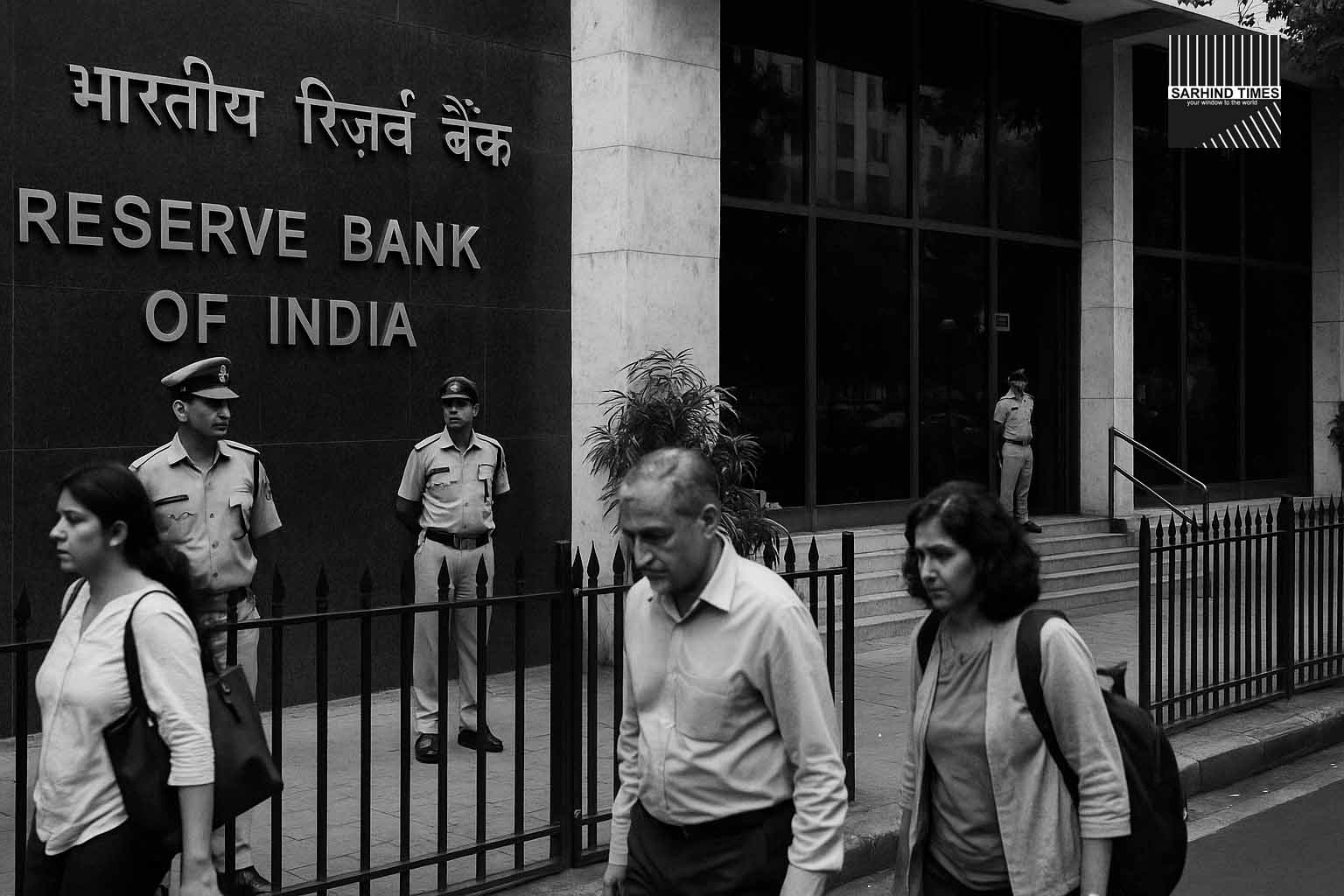
Dozens of NBFCs face restrictions; several fintech lenders flagged for predatory practices, data misuse, and unreported cross-border partnerships
Dateline: Mumbai | 23 November 2025
Summary: In a decisive move aimed at restoring financial stability and protecting consumers, the Reserve Bank of India has issued supervisory actions against multiple NBFCs and digital lenders for operational irregularities. The crackdown comes after months of increased complaints about predatory loan recovery practices, illicit data-sharing, and unverified partnerships between Indian fintech platforms and offshore funding entities. This action marks one of the biggest regulatory sweeps since the digital lending boom began in India.
RBI’s Sudden Action Sends Shockwaves Through India’s Lending Sector
The Reserve Bank of India triggered a major regulatory shake-up this week by imposing restrictions on several non-bank financial companies (NBFCs) and digital lending platforms following serious compliance lapses uncovered during inspections.
The move has sparked widespread discussion across financial, corporate, and consumer circles, with analysts calling it a “corrective wave” that will reshape the digital lending landscape heading into 2026.
Multiple NBFCs Barred From Disbursing New Loans
According to officials familiar with the matter, at least seven NBFCs have been temporarily barred from issuing new loans until they address deficiencies in capital buffers, repayment tracking processes, and KYC verification systems.
Some were found to be outsourcing nearly the entire loan cycle — from customer onboarding to collections — to unregulated third-party entities, violating RBI’s outsourcing and operational risk frameworks.
One senior regulator stated: “The objective is not to stall economic activity but to ensure that lending is conducted in a safe, transparent, and compliant manner.”
Digital Lenders Under Tight Surveillance
Alongside NBFCs, several fintech loan apps came under scrutiny. RBI surveillance teams identified repeated breaches in:
- Unethical collection practices
- Illegal data scraping from user devices
- Hidden interest charges and processing fees
- Opaque partnerships with offshore capital providers
- Failure to comply with loan transparency guidelines
RBI sources confirmed that dozens of apps are being reviewed for violations of the Digital Lending Guidelines introduced in 2022 and updated twice since.
Consumer Complaints Reach All-Time High
RBI’s Ombudsman offices recorded a significant rise in complaints related to harassment, unauthorized data access, and threatening recovery calls — particularly from Tier-2 and Tier-3 cities.
Many borrowers reported receiving abusive calls from recovery agents, doctored images being shared with their contacts, and loan apps accessing phone galleries and contact lists without consent.
Cyber cells in multiple states, including Maharashtra, Karnataka, Delhi NCR, and Uttar Pradesh, have tracked several complaints back to the same clusters of digital lenders.
How Offshore Partnerships Triggered the Crackdown
Officials revealed that several Indian digital lending platforms had quietly formed high-risk partnerships with foreign financiers, particularly in Southeast Asia. These arrangements violated lending norms because:
- Foreign entities were indirectly influencing underwriting decisions
- Capital flow reporting requirements were ignored
- Revenue-sharing agreements lacked regulatory clearance
Some platforms routed loan settlement payouts to offshore accounts, triggering red flags within RBI’s Financial Intelligence Unit.
NBFCs Likely to Face Stricter Audits in 2026
The crackdown is expected to lead to stricter and more frequent audits. Analysts predict enhanced monitoring of:
- Capital adequacy ratios
- Loan-level data reporting
- Outsourcing practices
- Recovery agent accreditation
- Cross-border financial links
Regulatory experts say NBFCs that rely heavily on digital channels will need to demonstrate deeper internal controls and transparent compliance architecture.
Industry Reactions: Mixed and Intense
Industry leaders offered varied responses. Traditional NBFCs welcomed the move, arguing it would eliminate non-compliant players and restore customer trust. Many fintech founders, however, expressed concern over “blanket scrutiny” potentially slowing innovation.
A fintech association spokesperson said: “We support regulatory enforcement, but genuine companies must not be clubbed with rogue players.”
Meanwhile, consumer rights groups celebrated the decision, calling it long overdue.
Impact on Borrowers
Borrowers may see slower loan disbursal times as companies reevaluate processes. Small businesses dependent on quick working-capital loans could be affected temporarily.
However, analysts say the long-term benefits outweigh short-term hurdles, as regulated, transparent lending reduces risk for millions of borrowers.
Impact on Fintech Funding
Venture capitalists predict cautious investment sentiment in digital lending until regulatory clarity emerges. Startups with strong governance frameworks, in-house compliance teams, and transparent pricing models are likely to remain unaffected.
Those operating in grey areas face a difficult year ahead.
Data Protection and Privacy Take Center Stage
The crackdown aligns with India’s impending personal data protection enforcement cycle. Regulators want to ensure that loan apps do not misuse personal data or store it in insecure offshore servers.
With cyber threats rising, RBI and the IT Ministry have jointly emphasized data localization and stronger cyber hygiene protocols for lenders.
States Support the Enforcement
State governments have echoed the need for regulation, particularly in Telangana, Karnataka, Tamil Nadu, and Maharashtra, where digital lending usage is highest.
Police units in Telangana and Karnataka reported multiple cases where illegal lenders operated out of disguised call-centers and used coercive methods to recover money.
What RBI Expects from the Industry Now
RBI officials have laid out clear expectations:
- Complete transparency on loan terms
- Full disclosure of interest rates and late-payment fees
- No third-party recovery agents without certification
- Strict adherence to KYC and AML norms
- Clean separation between lenders and unregulated partners
The Road Ahead for India’s Digital Lending Sector
India remains one of the world’s fastest-growing digital credit markets. Experts say the crackdown is part of a bigger effort to structure the industry for long-term stability and global credibility.
Once cleanup is complete, lenders expect:
- More investor confidence
- Better customer trust
- Clearer digital lending standards
- Reduced fraud and harassment complaints
Regulators and industry watchers believe India will emerge with a stronger, more transparent credit ecosystem.
Conclusion
RBI’s sweeping supervisory action underscores a crucial shift in India’s financial governance. As digital lending becomes deeply embedded in the country’s economic landscape, oversight is no longer optional — it is essential.
The coming months will determine how quickly NBFCs and fintech lenders can adapt, comply, and restore customer confidence. For millions of borrowers across India, the hope is clear: transparent rules, ethical conduct, and a safer lending experience.


+ There are no comments
Add yours