
13 Sep 2025
A Historic Moment for Mizoram
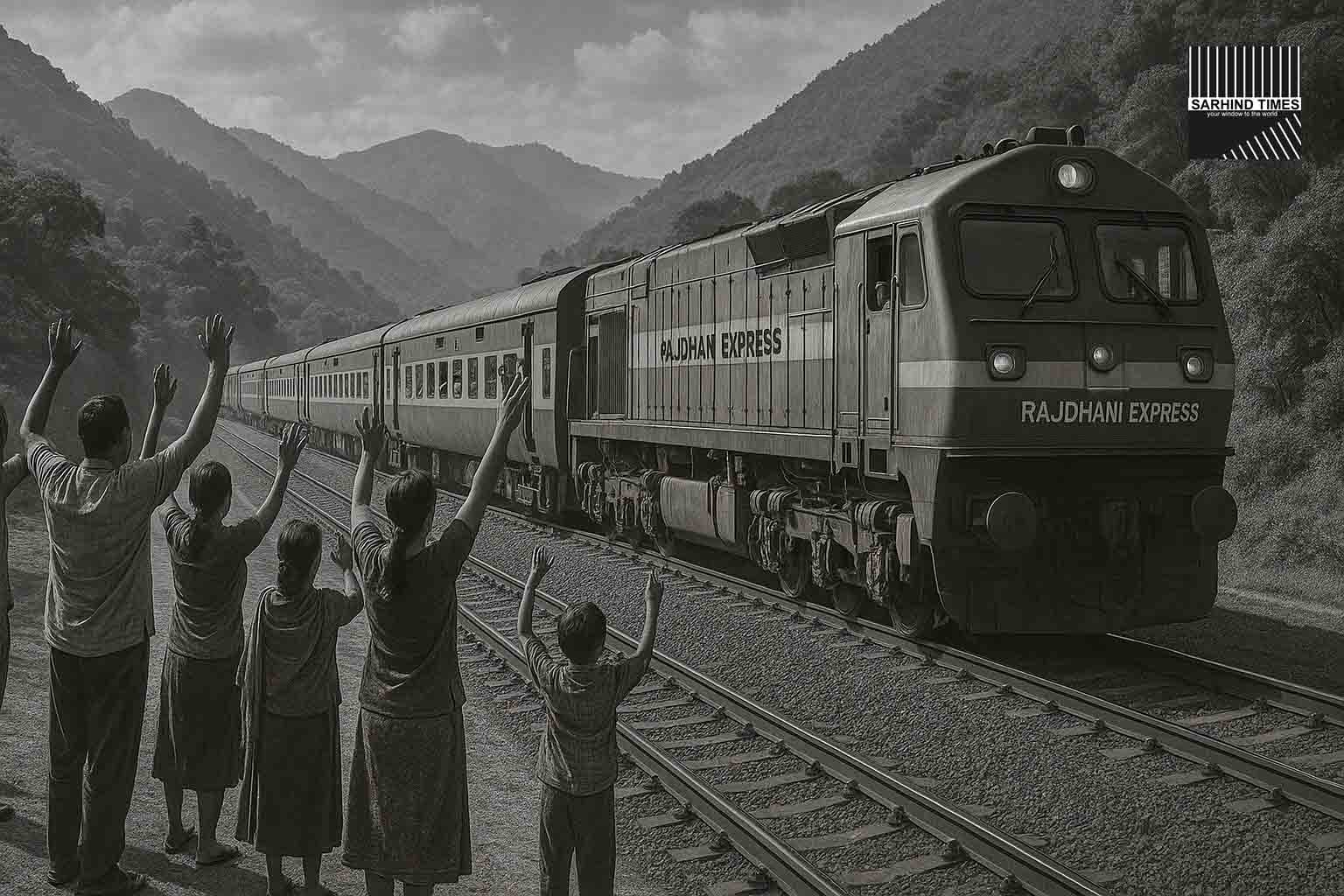
On September 13, the Indian Railways flagged off a new weekly Rajdhani Express connecting Sairang in Mizoram with Anand Vihar Terminal in Delhi, marking the restoration of premium train service to Mizoram after a six-year gap. Regular operations will commence from September 19, symbolizing both an infrastructural milestone and a political commitment to integrating India’s Northeast more closely with the national mainstream.
For Mizoram, one of the few states that historically struggled with limited railway access, this Rajdhani return is more than just a train—it represents connectivity, opportunity, and aspiration.
Background: Why the Gap?
The Rajdhani Express, India’s flagship premium train service, had previously served Mizoram until operations were suspended six years ago due to a combination of factors:
- Infrastructure limitations: The railway network in Mizoram is still developing, with mountainous terrain posing significant engineering challenges.
- Operational constraints: The earlier services faced issues related to low occupancy, logistical difficulties, and delays.
- Policy realignment: Railways shifted focus to completing new tracks in the Northeast before resuming premium services.
Since then, the people of Mizoram have relied primarily on Guwahati and Silchar stations in Assam for long-distance connectivity, which increased both travel time and inconvenience.
The New Service: Route & Frequency
- Train Name: Rajdhani Express (Sairang–Anand Vihar)
- Frequency: Weekly
- Route: Sairang → Bairabi → Guwahati → Barauni → Kanpur → Anand Vihar (Delhi)
- Journey Time: Approx. 40–42 hours (subject to operational clearances)
- Facilities: Premium air-conditioned coaches, onboard catering, and faster turnaround compared to other long-distance trains.
This service will be the first direct premium rail link between Mizoram’s capital region and the national capital.
Strategic Importance: Connecting the Northeast
The Rajdhani’s return is more than a matter of convenience—it is a strategic move in India’s broader Act East Policy and the Centre’s push for Northeast integration.
- Economic Impact: Improved passenger connectivity can boost trade, tourism, and local businesses.
- Social Impact: Students, patients, and job seekers from Mizoram will now have easier access to Delhi and northern India.
- Political Symbolism: The return of Rajdhani underscores the government’s message of equal priority to the Northeast.
Railway officials highlight that the train will serve as a “lifeline of confidence” for Mizoram, signaling that the state is not on the periphery but firmly part of India’s central network.
Voices from Mizoram
- Lalbiaktluanga, student in Aizawl: “We usually travel via Guwahati for Delhi. The new Rajdhani saves us time and money. It also makes us feel more connected to the rest of India.”
- Mrs. Ruatdiki, entrepreneur in Sairang: “Tourists and traders will find it easier to reach Mizoram now. For small businesses like mine, this is a big opportunity.”
Challenges Ahead
While the return of Rajdhani has been widely celebrated, experts caution about challenges:
- Low Occupancy Risks: Past experiences show premium trains to the Northeast sometimes struggle with full bookings.
- Maintenance & Delays: The hilly terrain and weather conditions can affect punctuality.
- Sustainability: For the service to be viable, long-term planning and passenger engagement are crucial.
Railway officials, however, remain optimistic that better infrastructure and growing demand will sustain the service.
Broader Railway Push in the Northeast
The Rajdhani revival is part of a larger transformation:
- Electrification Projects: Indian Railways is working to electrify routes in Assam, Mizoram, and Tripura.
- New Lines: The Bairabi–Sairang line, inaugurated earlier this year, is a crucial feeder project.
- High-Speed Future: Discussions are underway to extend semi-high-speed trains like Vande Bharat Express deeper into the Northeast.
These steps are aimed at ending the perception of the region as “distant and disconnected.”
National Perspective
The return of Rajdhani also fits into a nationwide narrative: Railways is not just a transport system, but a symbol of national unity. Every time a premium train reaches India’s remotest regions, it bridges physical and psychological distances.
For Mizoram, which joined the Indian Union in 1986 after years of insurgency, such integration projects strengthen trust, belonging, and shared identity.
Conclusion: A Train of Hope
The Rajdhani Express to Mizoram is more than just steel on tracks—it is a statement of inclusion. For the people of Mizoram, it promises smoother journeys, better opportunities, and a louder voice in India’s national story.
As regular services begin on September 19, the Rajdhani’s whistle in Sairang will not only echo across the hills of Mizoram but also across the corridors of Delhi, reminding the nation that connectivity is the foundation of unity.
#RajdhaniExpress #MizoramConnectivity #IndianRailways #NorthEastIndia #RailwayDevelopment #ActEastPolicy #Sairang #DelhiToMizoram #NationalIntegration



+ There are no comments
Add yours