
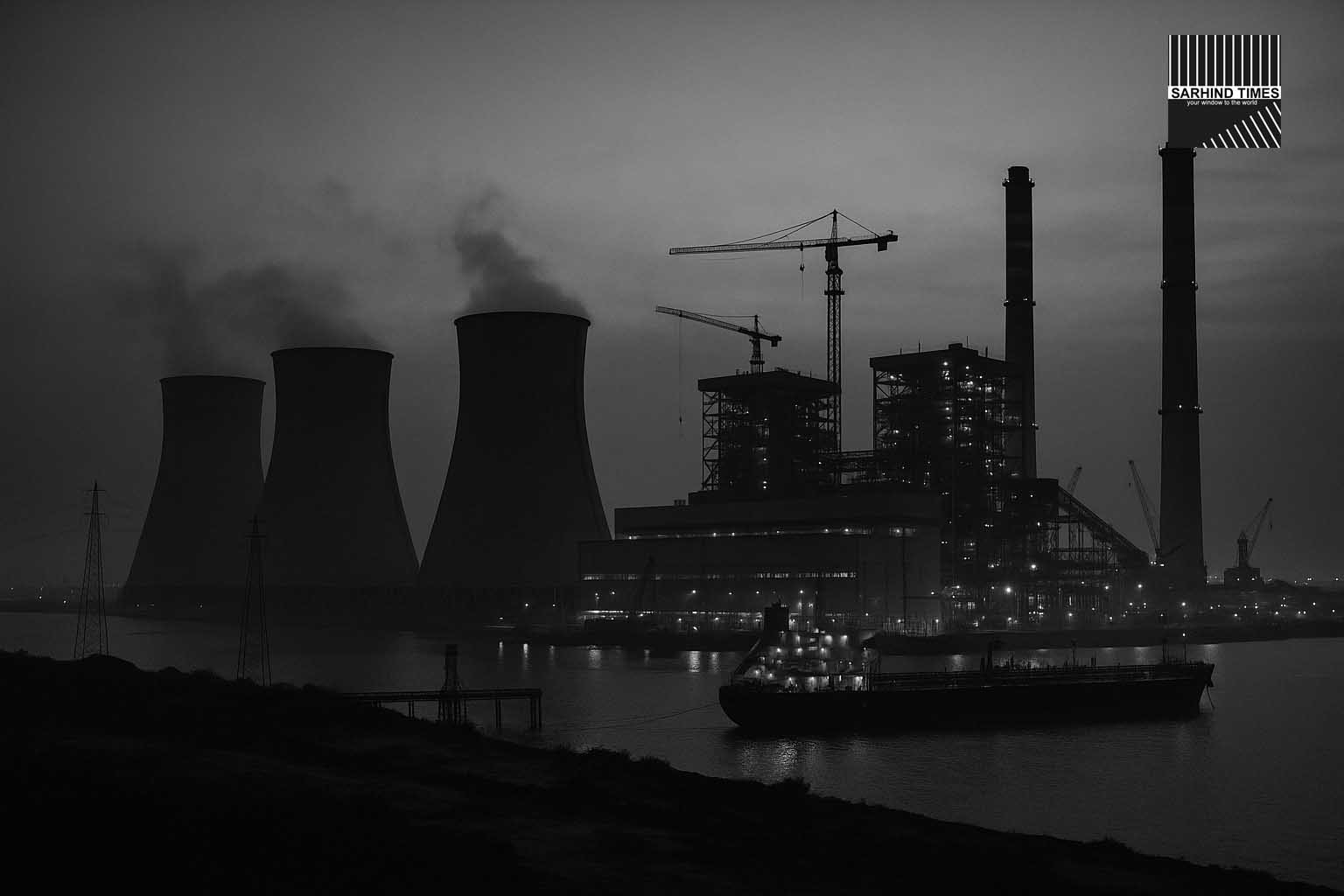
India becomes primary driver of global energy demand growth, overtaking China
Dateline: New Delhi | 17 November 2025
Summary: A new report by the International Energy Agency (IEA) highlights that India has emerged as the largest driver of incremental global energy demand, effectively replacing China. Rapid economic growth, rising consumption in industry and households, and strong infrastructure expansion are the key reasons. The shift presents both opportunities and risks for India—and a turning point for the global energy landscape.
1. The headline shift: India replaces China
The IEA’s recent analysis shows that India is now the world’s fastest-growing major energy consumer and has effectively taken over from China as the major incremental driver of demand. This transition is significant: once China’s pull, now India’s push. The report emphasises that electricity demand, industrial fuels and mobility play major roles.
India’s cumulative energy demand increase is based on expanding manufacturing, infrastructure, mobility (two-wheelers, passenger vehicles, freight), urbanisation and household consumption. With India’s economy forecast to grow at over 6.5% annually for the next few years, the knock-on to energy markets is clear: more power-plants, more capacity, more fuel imports or local substitutes.
2. Why this matters for the world
In global energy modelling, China had long dominated incremental demand and was the focal point for policy and markets. With India taking the baton, investors, policymakers, technology providers and climate analysts must shift their attention. For fuel-markets (coal, gas, oil) the demand centre is shifting to South Asia, affecting supply-chains, commodity flows, geopolitics and carbon budgets.
This shift also matters for climate change ambitions and energy transition pathways. India’s demand surge will shape how quickly renewable energy is installed, how fast old fossil-fuel assets are retired, and whether coal or oil remains dominant in the next decade. How India meets this demand—via domestic renewables, imports, efficiency gains or fossil-fuel expansion—will influence global decarbonisation trajectories.
3. Where the demand is coming from in India
Manufacturing & infrastructure: India’s push in sectors such as steel, cement, chemical, automotive and logistics is accelerating. These sectors consume large amounts of energy and hence drive demand. Government capex in roads, ports, rail, urban infrastructure further adds to the baseline.
Residential & household consumption: Rising incomes, urbanisation and cooling/heating demands increase electricity usage. Ownership of appliances, air conditioners, fans, refrigerators and digital devices continues to rise—especially in smaller towns. The cumulative effect is substantial.
Mobility and freight: With vehicle stock increasing, electrification underway, yet many internal-combustion vehicles still being added, energy demand from transport remains high. Freight growth, logistics expansion and e-commerce also raise fuel and power needs.
4. Challenges and structural questions
While the demand boon offers growth, it also brings significant challenges:
- Fuel mix and dependence: If the demand is met via fossil fuels (coal, oil, gas), India’s carbon-emissions trajectory could worsen, challenging its climate commitments. Transitioning to renewables and clean technologies becomes essential—but difficult.
- Infrastructure and grid readiness: Adding capacity isn’t enough. The transmission, distribution, storage, backup generation and grid-modernisation need to scale. Without this, demand growth may hit bottlenecks, curtailing economic momentum.
- Financing and investment flows: Meeting the rising demand – especially via clean energy – requires massive investment. Domestic capital, foreign investment, technology transfer and institutional frameworks must align. The question: will India mobilise the scale required?
- Energy-security and import risks: Rising demand often leads to rising imports. Oil, gas, coal dependence and global price shocks may weigh on macro-economics. India must navigate energy-security and geopolitical risk simultaneously.
- Efficiency and demand-management: More demand need not mean more waste. Efficiency measures, demand-side management, smart-grids and technology adoption are key to avoid runaway energy use and environmental spill-overs.
5. What it means for markets and investors
For investors and markets, the shift has clear implications: companies in power generation, renewables, transmission, storage, smart-grid, electric vehicles, battery technology and commodity supply chains may see elevated opportunities in India. At the same time, reliance on fossil-fuel players may carry increasing climate-risk. Global funds tracking energy-transition themes must recalibrate: India is no longer peripheral—it is central. Governments and corporates may revise investment priorities accordingly.
In the commodity-markets, demand pressures from India could tighten supply chains for coal, LNG, oil and metals (copper, aluminium, lithium) and push up prices or accelerate diversification efforts. Supply-side players in mining, energy equipment, and logistics may advantage from this pivot.
6. Policy and governance imperatives for India
To maximise the opportunity and contain the risks, India will need to act on several fronts:
- Prioritise renewables at scale: Solar, wind, hydro and storage must expand rapidly to keep fossil-fuel share down.
- Modernise grids and distribution: Investments in smart transmission, decentralised generation, battery storage, demand-side response are required.
- Strengthen energy-efficiency regulations: Appliances, buildings, industry norms must tighten.
- Manage import exposure: Develop domestic manufacturing of energy-equipment, local supply-chains, reduce dependence on global supply shocks.
- Coordinate foreign-policy and energy-policy: As India’s demand shapes global flows, strategic ties with oil, gas and mining suppliers become even more important.
The government has already signalled several initiatives—production-linked incentives (PLI) for renewable equipment, hydrogen strategy, domestic battery manufacturing, and national energy-efficiency campaigns. But the scale of demand makes timing, execution and coordination all the more critical.
7. Global implications and climate-linkages
Globally, if India continues to grow as expected and energy demand rises, the world’s ability to meet the Paris 1.5 °C-2 °C target may be put under fresh pressure. India’s choices will reverberate far beyond its borders. Whether India opts for a low-carbon growth pathway or leans on fossil fuel will determine not just Indian emissions, but global warming trajectories.
Moreover, as India becomes a major demand-driver, it gains increased clout in global energy governance: OPEC + discussions, LNG-supply diplomacy, clean-energy forums, strategic mineral markets. India’s seat at the global energy-table is rising—if it plays its cards well.
8. Watching the next-phase indicators
Some key indicators to follow:
-
- How quickly India adds renewable capacity relative to fossil-fuel capacity.
The pace of new grid infrastructure and storage projects.
- Trends in energy imports (oil, coal, gas) and associated fiscal/ trade impact.
- Corporate announcements in energy-equipment manufacturing and battery value-chains.
- Regulatory reforms and policy execution in energy-efficiency, demand-management, smart-grids.
- Global supply-chain movements: how India’s demand changes trade patterns in coal, LNG, oil, metals.
These will show whether India’s rise in demand is matched by responsible growth, resilience and strategic foresight—or whether it becomes a vulnerability.
9. What are the risks if India misses the opportunity
If India fails to manage its energy-demand boom responsibly, several risks arise:
- Energy-import bills surge, fiscal and current-account risks increase.
- Carbon-emissions shoot up, undermining climate commitments and global standing.
- Infrastructure bottlenecks slow growth, increasing power outages, industrial disruptions and investor caution.
- Dependence on imported technology and equipment increases–asset-security and supply-chain risks rise.
India’s strategic advantage could turn into a vulnerability if demand outpaces supply, efficiency, resilience and clean-energy transition.
10. Final reflection
This is a pivotal moment for India and the global energy system. India’s rise as the primary engine of incremental global energy demand shifts the centre of gravity away from the familiar China‐centric model. For India, this brings both promise and responsibility—growth, jobs, industrialisation, infrastructure—but also risk: carbon-lock-in, import vulnerability and structural bottlenecks.
The world will be watching whether India’s growth story is matched by a sustainable energy transition. In the coming decade, India will not just follow global trends—it will define them.



+ There are no comments
Add yours