
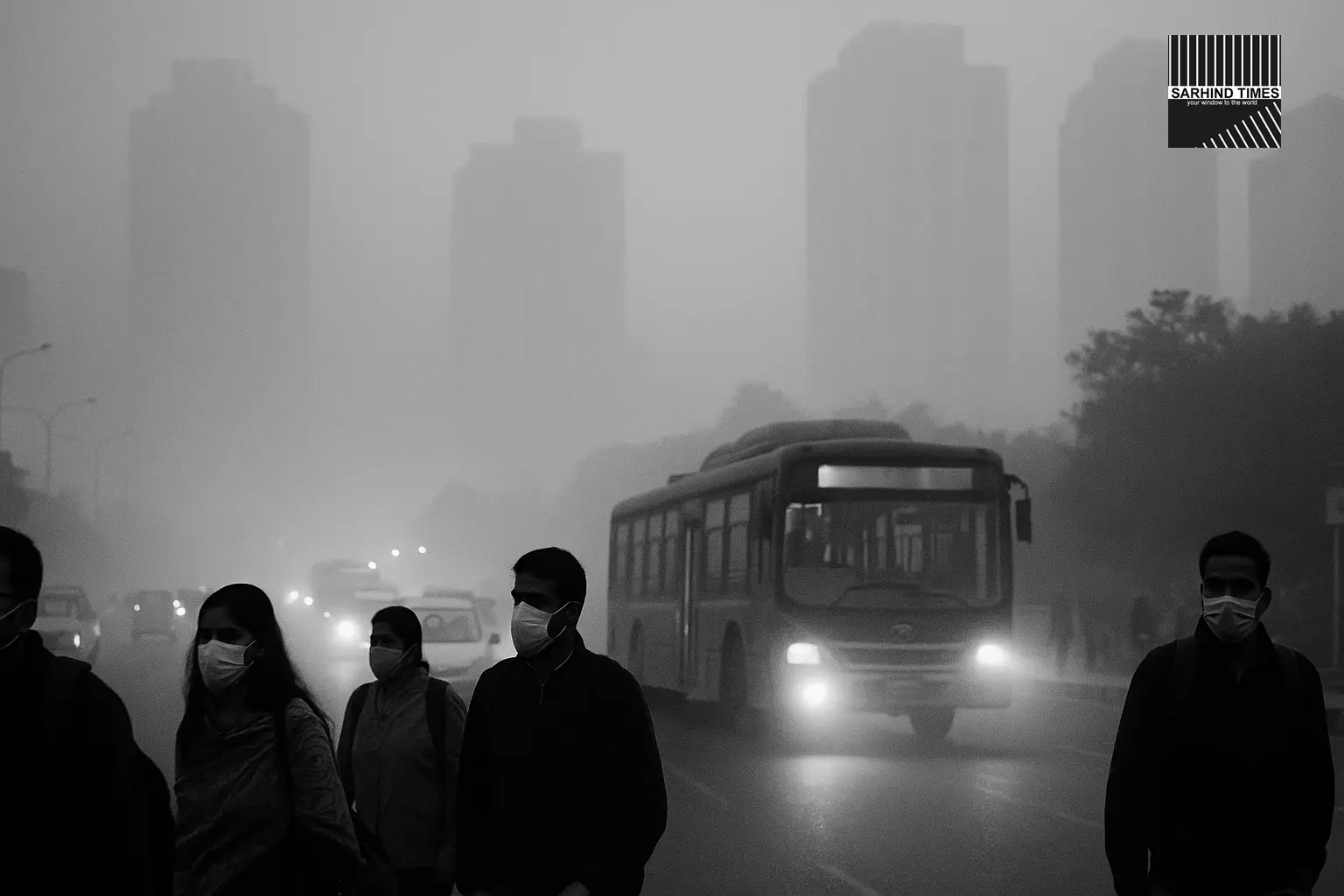
A ₹ 56,000 crore green-infrastructure project will connect solar, wind, and hydro clusters across seven northern states—aiming to reduce carbon emissions by 70 million tonnes annually and strengthen India’s 2070 net-zero mission.
In its most ambitious renewable-energy initiative yet, the Union Government on Thursday approved National Clean Energy Corridor Phase II (NCEC-II)—a super-grid of transmission lines, substations, and storage systems designed to carry 100 GW of green power from Rajasthan, Himachal Pradesh, and Ladakh to Delhi-NCR and the industrial north.
Green Super-Grid for the North
New Delhi, October 24 — India’s energy landscape took a decisive turn toward sustainability as the Union Cabinet chaired by Prime Minister Narendra Modi cleared the second phase of the National Clean Energy Corridor, extending renewable transmission infrastructure deep into the northern heartland. The ₹ 56,000 crore programme—jointly implemented by Power Grid Corporation of India Ltd (PGCIL), the Ministry of New and Renewable Energy (MNRE), and state utilities—will lay 8,000 km of 765-kV lines, add 28 new substations, and integrate 12 GW battery storage capacity.
“Clean Energy Corridor II is the backbone of India’s green transition,” said Union Power Minister R.K. Singh. “It ensures that every electron of renewable power finds its way to the people efficiently and reliably.”
Key Objectives
- Seamless Evacuation: Move renewable power from generation-rich states to high-demand load centres.
- Grid Stability: Deploy storage and frequency-balancing to manage intermittency.
- Emission Reduction: Avoid ~70 million tonnes CO₂ annually by displacing coal power.
- Regional Equity: Bring affordable green energy to land-locked northern and hill states.
The Corridor Map
- Rajasthan Solar Cluster (Jaisalmer–Bikaner)
- Ladakh Green Hydro Zone via Leh–Manali HVDC
- Himachal & Uttarakhand Hydro Belt
- Punjab–Haryana Green Transmission Loop feeding Delhi-NCR
- UP Industrial Extension reaching Noida, Meerut & Lucknow
This expansion complements Clean Energy Corridor I, which connected southern hubs in Tamil Nadu, Andhra Pradesh and Karnataka.
Financing & Partnerships
- ₹ 33,000 crore domestic budgetary support
- ₹ 15,000 crore soft loans from KfW & Asian Development Bank
- ₹ 8,000 crore state utilities & private co-funding
Germany’s KfW will provide technical assistance for smart-grid integration and real-time monitoring centres. “This project embodies Indo-German climate cooperation at its best,” said Ambassador Philipp Ackermann.
Technology Backbone
- Smart Switching Stations: AI-based forecasting and autonomous frequency control.
- HVDC Links: Long-distance, low-loss transmission to carry bulk renewables.
- Grid-Scale Batteries: 12 GW of Li-ion & flow batteries to store excess solar/wind.
- Cyber-Secure Control Centres: Blockchain-verified logs to prevent data tampering.
Environmental Benefits
The corridor is expected to cut coal use by ~25 million tonnes per year and reduce winter particulate pollution in Delhi-NCR. Dr Sunita Narain (CSE) called it “the most tangible policy step linking energy transition with clean-air goals.”
Economic Multiplier
Construction will generate ~1.8 lakh jobs across manufacturing, civil works, and software systems. Post-commissioning, northern industry gains 24×7 green power at lower tariffs—analysts estimate every ₹1 invested returns ~₹3.7 via reduced imports and higher energy security.
State Reactions
- Rajasthan CM Bhajan Lal Sharma: “This turns our desert sun into India’s engine of prosperity.”
- Himachal CM Sukhvinder Sukhu: “Our hydro resources will finally light the nation.”
- Haryana CM Nayab Singh Saini: “Green power from Rajasthan and Ladakh will help tackle our pollution crisis.”
Link to Net-Zero
India targets 500 GW renewables by 2030 and net-zero by 2070. NCEC-II will carry about one-fifth of that capacity, cementing India as the world’s #3 clean-energy market. “Without transmission, renewables remain dreams on paper,” said Dr Ajay Mathur (IRENA).
Challenges Ahead
- Land acquisition & forest clearances along hill corridors
- Battery supply-chain reliance on imported lithium
- State-regulator coordination on tariffs & scheduling
A proposed Green Corridor Authority will coordinate approvals and timelines.
Community Engagement
Local panchayats will receive a 1% revenue share for corridor upkeep and tree belts. Over 50 lakh saplings will be planted as carbon offsets.
International Praise
The World Bank termed the project “a blueprint for grid-scale decarbonisation in developing countries.” U.N. Secretary-General António Guterres tweeted: “India’s Clean Energy Corridor II shows that climate leadership is built with power lines as much as pledges.”
Local Voices
“It feels good that the power lighting Delhi homes will also light ours with hope.” — Ayesha Khan, student, Jaisalmer
Future Outlook
Phase II construction starts January 2026 and completes by 2030. Phase III (planning) will connect eastern renewables from Odisha and Bihar by 2032.
“Each megawatt transmitted through this corridor is a step away from pollution and a step toward prosperity.” — R.K. Singh, Power Minister
Conclusion — The Green Lifeline of the North
As Delhi-NCR struggles to breathe, the Clean Energy Corridor offers a structural antidote to fossil-fuel dependence. More than towers and cables, it signals India’s resolve to power growth without poisoning the air. “If the first industrial revolution was coal, the second was oil, then this is India’s sun revolution,” said policy scholar Dr Ritika Menon.




+ There are no comments
Add yours