
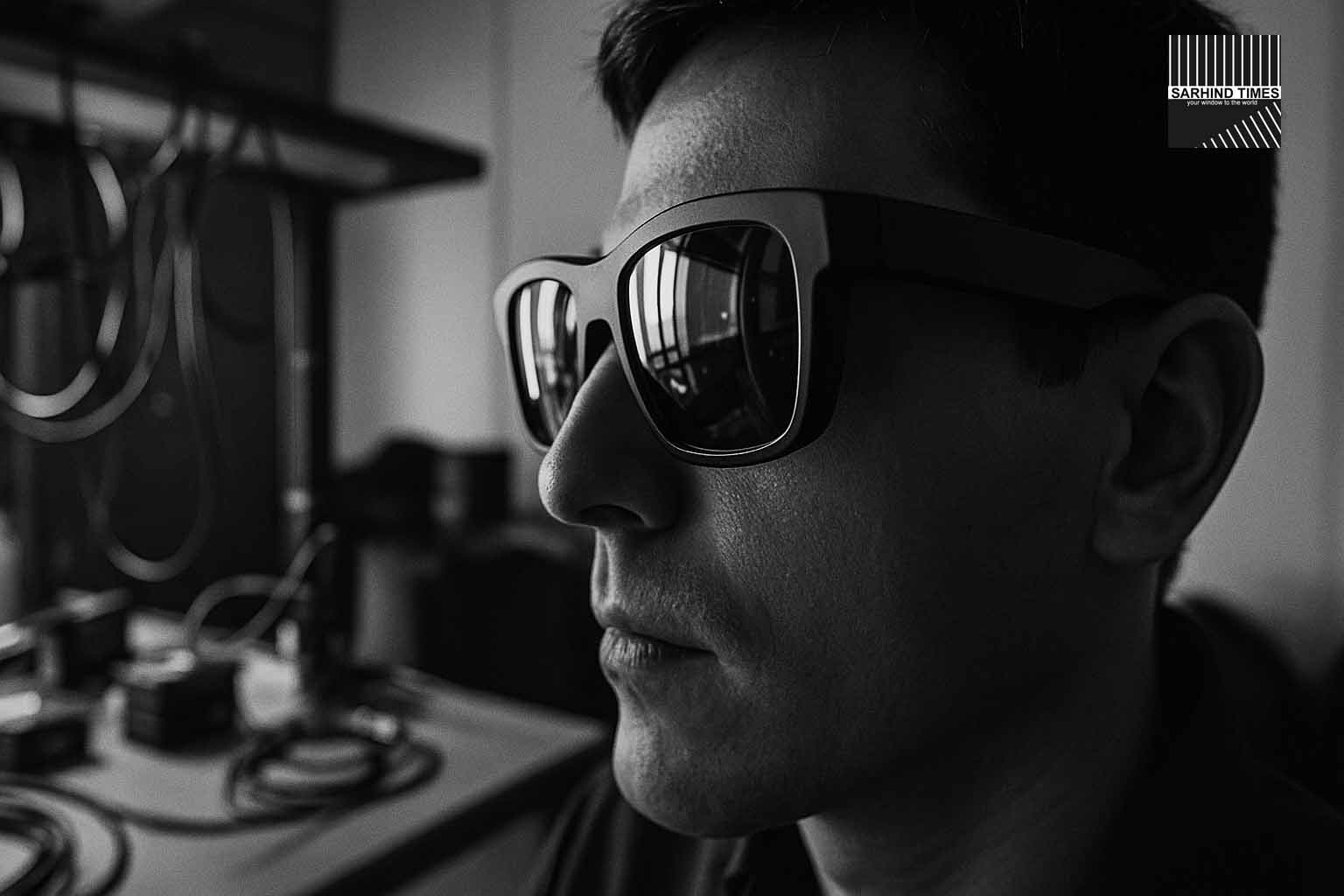
From fashion-tech wearables to hands-on AI programmes, India accelerates innovation pace
Dateline: New Delhi | 11 November 2025
Summary: India’s technology landscape took a significant leap this week with two major developments: the launch of the globally-anticipated AI-enabled smart glasses by a leading U.S. tech firm, set for India release on 21 November; and the announcement of a two-week “Prompt to Prototype” skilling programme by another tech giant aimed at nurturing early-stage founders in India. Together, these moves underline India’s rising status as a strategic market and innovation hub for frontier technologies.
A landmark wearable-tech release
The global tech community is watching closely as the U.S.-based firm plans to bring its next-generation smart glasses, combining iconic eyewear design with advanced AI capabilities, to the Indian market on 21 November 2025. This move marks not just a product launch but a signal that India is being treated as a priority market for high-end wearable technology. Indian consumers will be able to register for early access ahead of the launch. These glasses integrate on-device AI, a sleek aesthetic form factor, and the promise of a new category bridging fashion, computing and immersive experiences.
For India, the timing is notable. Wearables, especially those combining AI and hardware in novel ways, are today less a niche hobby and more a component of the broader consumer-tech value chain. The localisation of features, distribution through major e-commerce channels, and marketing positioning emphasise this. The fact that this firm chose to prioritise India for launch speaks to India’s increasing role in global device-launch calendars and hardware ecosystems.
The programme for founders: skilling the next wave
On the same week, another major announcement emerged: a two-week, hands-on AI skilling programme named “Startup School: Prompt to Prototype” will run from 27 November to 7 December 2025, supported by key Indian bodes such as the national mission for AI, government startup initiative and industry federation. The programme is aimed at early-stage founders and is anchored around building prototypes using cutting-edge AI tools — including large-language models, image-generation engines, notebook environments and specialised AI studios.
This initiative matters because India has long had the ambition of moving from service-outsourcing to product and innovation leadership. By fostering rapid prototyping in AI, the ecosystem is being stimulated to convert ideas into visible products, not just proofs of concept. The converging presence of global tech firms, startup-ecosystem enablers, and government backing suggests that the infrastructure and policy side are aligning to enable more serious innovation.
Why now? A confluence of factors
The timing of these developments is not coincidental. Several powerful drivers are converging:
- Hardware-ecosystem maturity: India’s device manufacturing infrastructure has improved significantly under national programmes encouraging “Make in India”, localisation and export-readiness. Launching premium wearables locally makes sense when assembly, supply-chain and market capabilities are present.
- Rising consumer appetite: Indian consumers are increasingly comfortable with premium devices, AI-augmented functionality and new form-factors. The willingness to adopt technologies beyond incremental upgrades creates a viable market for cutting-edge wearables.
- Startup and innovation push: As India pushes to strengthen its position in global AI and deep-tech, programmes that accelerate founder capabilities, prototype creation and productization are vital. The “Prompt to Prototype” initiative is part of this structural shift.
- Global strategic repositioning: Global tech firms are rethinking their market strategy, mapping growth to emerging geographies such as India, where talent, market size and growth potential offer a robust platform. By launching wearables and skilling programmes here, they signal commitment to the region.
Product-level implications and consumption patterns
From the consumer lens, the AI-powered smart glasses blend categories: eyewear, audio-video, AI assistant, multi-camera capture and fashion accessory. This makes them a crossover product — appealing not just to gadget lovers but also style-conscious buyers. The launch presents a test case of whether design-first, AI-enabled hardware can find scale in India beyond smartphones and laptops.
If successful, it could open new revenue streams for device makers, component suppliers (sensors, optics, processors, batteries), and ecosystem partners (software, apps, services). The launch may also stimulate local accessory and content ecosystems — for example apps optimized for the glasses, Indian-language AI interfaces, region-specific features and third-party partnerships.
Startup ecosystem: from idea to product
The skilling programme, by enabling early-stage founders to work directly with AI tool-chains, reflects an evolution in the Indian startup ecosystem: from being services-led towards product-led. Founders who participated previously may have built small apps or demos. Here they are being supported to build prototypes using generative and multimodal AI, experiment with voice-ID, image creation, data extraction, and algorithmic workflows.
The presence of global tool-providers, AI labs and startup-mission backing means the barrier to entry is lowering. It is no longer just about getting code out — it’s about rapid build, validate and scale. For India’s ambitions in AI export, enterprise tech and global start-ups, equipping founders early makes long-term sense.
Policy and infrastructure: enabling the shift
India’s policy ecosystem has matured significantly. Programmes targeting AI adoption, startup funding, manufacturing incentives and infrastructure (such as special economic zones, export-oriented hardware parks and R&D grants) combine to create a more favourable environment. From a regulatory perspective, the smart-wearable launch reflects both consumer-protection readiness and localisation strategy of firms aligning with Indian market needs.
On the skilling front, government-industry platforms supporting accelerator-type initiatives, access to mentor networks, and dedicated AI-tool availability signal a systemic push. Funding agencies increasingly emphasise not just ideas but prototype outcomes and scalable products — meaning founders must build rather than just pitch.
Challenges and scepticism: what could go wrong?
Despite the strong momentum, there are legitimate caveats that stakeholders must consider:
- High price and adoption risk: Premium wearables often struggle in large but price-sensitive markets like India. Even with premium branding, success depends on local relevance, app ecosystem, price-to-value ratio and marketing reach.
- Fragmented component supply-chain: Though India’s manufacturing base is strengthening, launching global-scale wearables still involves supply-chain complexity (sensors, optics, low-power computing). Any bottleneck could impact cost or rollout speed.
- Startup prototypes vs product-market fit: Many founders will build prototypes under the skilling programme, but converting prototypes into viable businesses requires go-to-market strategy, funding, user traction and durable business models — the ‘Valley of Death’ still looms.
- Global macro headwinds: Hardware cycles are vulnerable to consumer-spend fluctuations, component cost inflation and global supply disruption. For India-based launches, currency, logistics and import-tax factors matter. On the startup side, global VC funding may tighten, impacting follow-on rounds.
Strategic indicators: what to watch next
Going forward, several indicators will signal whether this momentum evolves into lasting change:
- Sales performance of the smart-glasses post-launch in India — initial uptake, channel performance, price adjustments and user-feedback on features.
- Localization of software and ecosystem for wearables — Indian-language AI modes, local app integration, developer add-ons and accessory-ecosystem growth.
- Prototype outcomes from the “Prompt to Prototype” programme — how many startups transition from prototype to product, raise funding and scale business within 12–18 months.
- Manufacturing and export announcements tied to India-based wearables — whether production shifts further to India, cost base improves and supply-chain hubs evolve domestically.
- Investor interest in Indian hardware start-ups, wearable-tech firms and AI tool-app companies — funding rounds, valuations, global partnerships and exits.
Broader implications for India and global tech landscape
For India, the twin signals of premium wearable launch and startup-skilling initiative are meaningful. They reflect that the country is not just a consumption market but increasingly a design, innovation and product-creation market. If India can deliver more than services — i.e., hardware innovation, AI-driven products, engineer-led start-ups — the global tech-centre map begins to tilt.
For global tech firms, India is now more than a regional node; it’s becoming a strategic launch-pad. With its talent density, large population of digital consumers, manufacturing policy tailwinds and rising capital, India’s role in next-generation tech is expanding. This has implications for global device road-maps, supply-chain geographies and innovation hubs.
Conclusion: a milestone, not a finish-line
The announcements this week mark a step-change rather than an end-point. The launch of AI-enabled smart glasses signals that India is ready for premium, category-breaking hardware. The initiation of the founder-skilling programme shows the ecosystem is hungry for generative-AI product creation. Together they mark momentum — but converting momentum into sustained innovation, scaled startups and mass adoption remains the challenge.
For entrepreneurs, device-makers and investors, the message is clear: India is entering a phase of opportunity but also competition. Success will depend on execution, localisation, ecosystem building and business clarity. If India can navigate this phase well, the next decade could see it move from being a consumption destination to being a global-innovation hub.



+ There are no comments
Add yours