
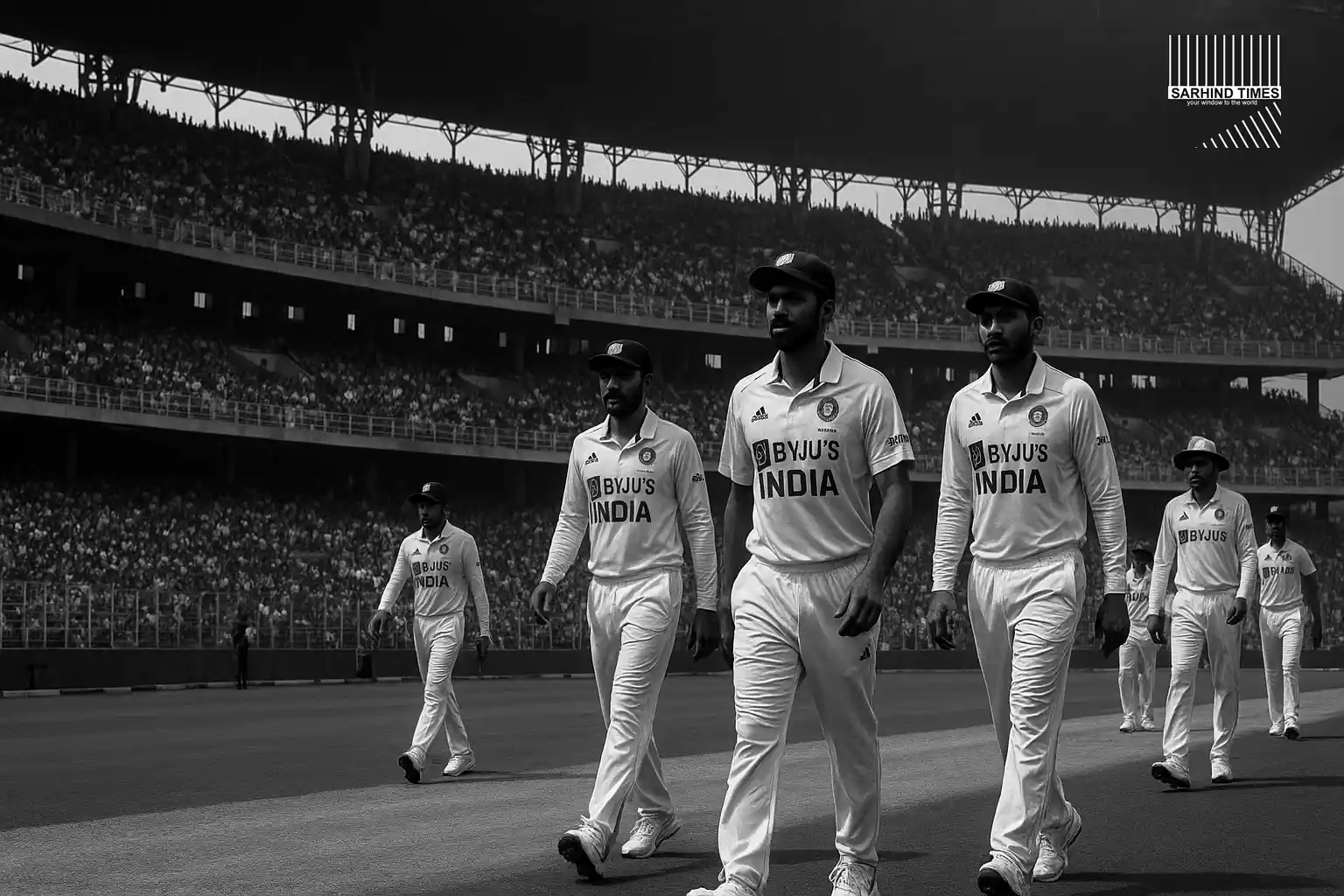
The India national cricket team kick-off a two-Test, three-ODI and five-T20I home showdown with South Africa national cricket team starting 14 November at Kolkata’s landmark venue.
Dateline: Kolkata | 13 November 2025, Asia/Kolkata
Summary: India’s senior men’s cricket side begins a significant home assignment against South Africa from 14 November, featuring two Tests that count towards the World Test Championship 2025-27 cycle. With a refreshed squad, the visiting Proteas challenge and a packed schedule—including ODIs and seven T20Is—this series will test India’s multi-format depth, selection strategy and home-advantage strength.
Series overview and schedule
The Board of Control for Cricket in India (BCCI) has announced the full home series against South Africa. The fixtures include: two Tests (India’s first match is at Eden Gardens in Kolkata starting 14 November, and the second Test at
The visiting South Africa squad and India’s lineup reflect strong intent: India’s Test squad features captaincy from Shubman Gill, with players like Rishabh Pant (vice-captain, wicket-keeper), Yashasvi Jaiswal, KL Rahul, Sai Sudharsan, Devdutt Padikkal and other fresh names in batting; the bowling attack includes stalwarts such as Jasprit Bumrah, Mohammed Siraj, Kuldeep Yadav and Akash Deep.
Meanwhile, India has already indicated squad adjustments: all-rounder Nitish Kumar Reddy has been released from the Test squad ahead of the opening game and will join India A, reflecting selection decisions aligned to conditions and team balance.
Why this series matters
Firstly, the Test leg of the series contributes towards the WTC 2025-27 cycle, meaning every match has high stakes in terms of championship points and morale. India will aim to exploit home conditions and familiar surfaces to assert dominance.
Secondly, the composite schedule tests India’s capacity in multi-format cricket—transitioning from longer format to ODIs and T20Is in a condensed window. Squad depth, fitness management and rotation become significant strategic factors.
Thirdly, for South Africa, touring India is a formidable assignment; they will aim for breakthroughs and challenge Indian dominance at home, which India will guard fiercely.
Finally, India’s broader objectives include maintaining global ranking momentum, building bench strength (with players like Sai Sudharsan or Devdutt Padikkal given more exposure) and calibrating the team ahead of major tournaments such as the 2027 World Cup.
Selection, strategy and fresh narratives
The Indian selectors’ decisions reflect evolving narratives: Shubman Gill as Test skipper signals trust in younger leadership; Rishabh Pant’s presence gives experience and power; the inclusion of younger batsmen emphasises long-term planning. The release of Nitish Kumar Reddy underlines that team balance, conditions and roles are key selection criteria rather than name or reputation alone.
Indian bowling remains anchored by Bumrah and Siraj for pace, supported by Kuldeep’s spin and Akash Deep’s pace-spin combo—an interesting mix expected to thrive on Indian surfaces and exploit South Africa’s adaptation to Asian conditions.
On the batting front, the likes of Jaiswal, Padikkal and Sudharsan will aim to cement spots. India’s management will emphasise setting big first-innings scores, aggressive batting, and using domestic domestic season form to shape tours. The domestic circuit, including tournaments such as the Syed Mushtaq Ali Trophy 2025-26, provides vital match-practice for fringe players.
Home conditions, strengths and vulnerability points
Successful home Test series often hinge on several factors—pitch preparation, crowd support, weather conditions and opponent adaptation. India’s strengths include spin-friendly surfaces, shared team experience in home climates, and strong crowd backing at venues like Eden Gardens.
However, vulnerabilities remain: complacency after white-ball success, pressure on young players stepping up, and South Africa’s ability to exploit overseas adaptability. Transitioning between formats too quickly may stretch players. In the ODI and T20 phases, youth and bench strength will be critical—India cannot rely only on the core senior players.
Injury management will be vital: players coming in fresh must avoid burnout ahead of next year’s heavy international schedule.
Fan expectation, commercial weight and broader implications
For Indian fans the series carries high expectation: home wins, dominant cricket and clear statement of intent. From a commercial standpoint, high-profile venues, broadcast viewership, sponsorship activations and cricket tourism in stadiums all scale with marquee series.
For cricket’s stakeholders—BCCI, broadcasters, sponsors, franchises—the series serves as a test of rhythm, depth and brand value of Indian cricket. Strong performance will enhance global franchise interest, while weak showing may raise questions about transition planning beyond stars.
Asia-cup momentum and women’s cricket success add to the broader narrative of Indian cricket’s resurgence across formats; the men’s team will aim to sustain that positive trend.
Key matches and what to watch
– **First Test, Eden Gardens (14-18 Nov)**: Opening salvos, toss decision, how young batsmen cope in a pressure match.
– **Second Test, Barsapara, Guwahati (22-26 Nov)**: Less-familiar venue, potential for pace and seam exploitation, challenge for South Africa.
– **ODI/T20 phases**: Talent emergence, bench players given roles, calculation around home advantage in white-ball formats.
– **Squad announcements & rotation decisions**: How India manages workload, selection changes for white-ball leg, injury updates.
– **Match-by-match performance indicators**: India’s ability to convert home conditions into wins, South Africa’s adaptability and India’s multi-format transition agility.
What this means for players, selectors and fans
– **Players**: Opportunity for youngsters to break in, pressure on seniors to deliver, need for consistent performance across formats.
– **Selectors**: Need to balance immediate results with longer-term bench‐depth building, manage player workload, prepare for next major tournaments.
– **Fans**: Expect fireworks, but must appreciate the deeper transitions in Indian cricket strategy; not just wins, but how wins are achieved, will matter.
Challenges & Risks—Sober view
Several caveats temper excitement. If India fails to dominate or allows South Africa to gain momentum, questions about home strength may arise. The compressed format schedule could lead to fatigue. Selection inconsistencies might unsettle clubbed players. Finally, media and public pressure in India can create unrealistic expectations—teams must stay grounded.
If early Tests go awry, the momentum for ODIs/T20Is may be affected. Conversely, strong start will set tone for the entire tour.
Conclusion
India’s home series against South Africa is more than just a fixture list—it is a strategic waypoint. The Indian cricket machine must deliver across formats, build bench strength, and reinforce its position as world-class. With schedule, squad and context aligned, India has the tools—but execution and consistency are what will determine whether the series becomes a launchpad or a wake-up call.
For fans, selectors and players alike: the stage is set, the glare is bright—and the next few weeks will matter more than many realise.



+ There are no comments
Add yours