
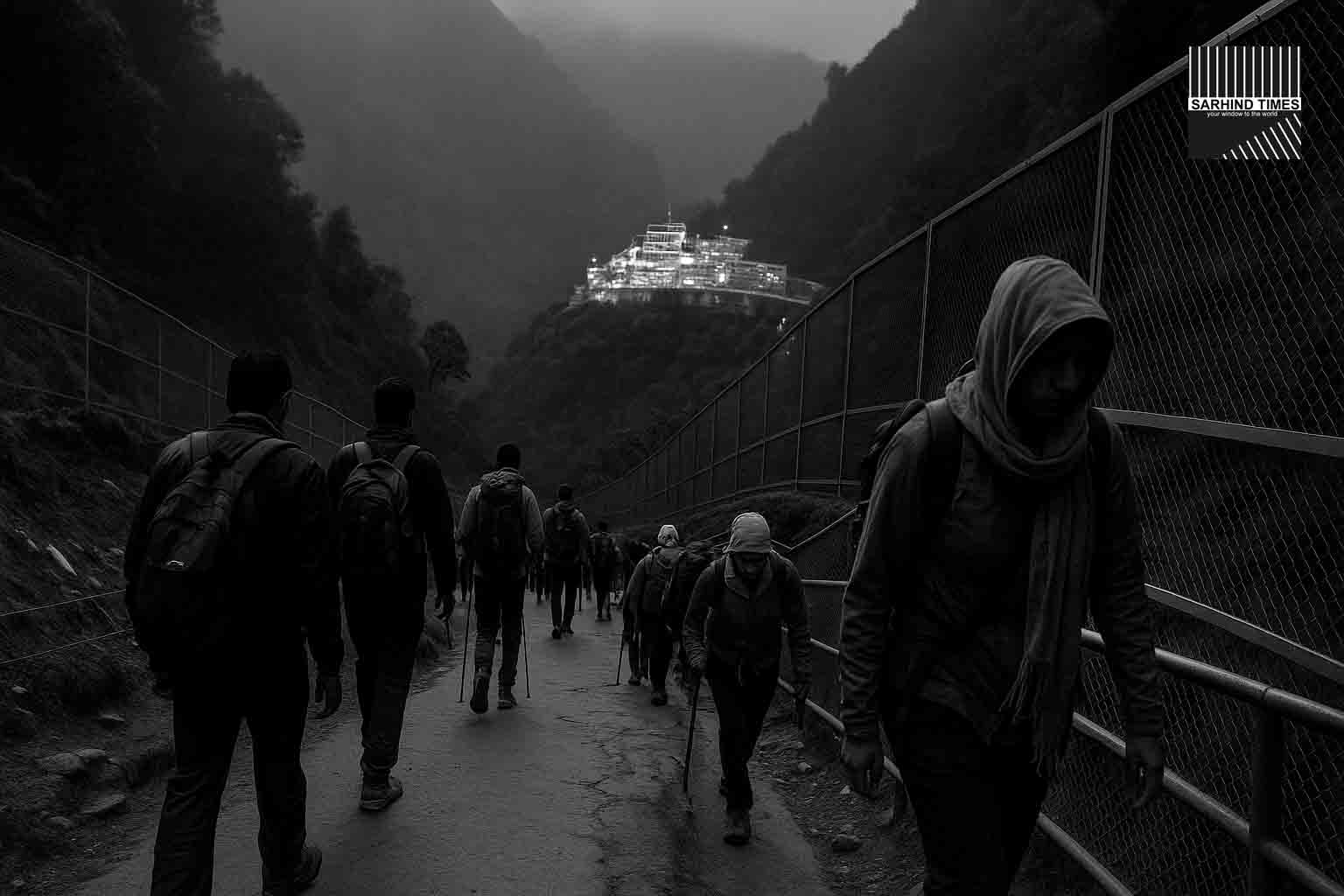
Pilgrimage Resumes After Deadly Disaster
After a 19-day suspension caused by a deadly landslide, the Vaishno Devi Yatra in Jammu & Kashmir will officially resume on September 14, 2025. This marks the longest halt in the pilgrimage since the COVID-19 pandemic, underlining the severity of natural disasters that continue to impact the region’s fragile Himalayan terrain.
The Shri Mata Vaishno Devi Shrine Board (SMVDSB) announced that all safety checks have been completed, pathways have been cleared, and new precautionary measures have been implemented to ensure the safe return of devotees to one of India’s holiest shrines.
The Suspension: A Deadly Landslide
The pilgrimage was halted after a massive landslide struck the route near Ardhkuwari, killing several people and injuring dozens. Heavy monsoon rains triggered rockfalls that damaged key stretches of the trekking path, forcing authorities to suspend operations.
Officials prioritized rescue operations, debris removal, and safety inspections before considering the resumption of the yatra. The prolonged suspension was a reminder of the environmental vulnerabilities of the Himalayas, where climate change and unplanned development amplify risks.
The Yatra: Spiritual Significance
The Vaishno Devi shrine, nestled in the Trikuta Hills near Katra, is one of the most revered Hindu pilgrimage sites, attracting millions of devotees every year. Pilgrims undertake a challenging 12–14 km trek from the base camp at Katra to the Bhawan (sanctum sanctorum), where the Goddess is worshipped in the form of three natural rock formations (Pindis).
For devotees, the journey is not merely physical but spiritual—an act of devotion believed to fulfill wishes and bring blessings. The suspension of the yatra caused deep emotional distress among pilgrims, many of whom had planned their trips months in advance.
Longest Halt Since COVID-19
The 19-day pause marks the longest interruption since the 2020–21 pandemic, when restrictions forced the shrine to close to the public for several months. Unlike the pandemic, however, this suspension was caused by natural calamity rather than public health concerns.
This underlines a growing trend: climate-linked disruptions are becoming a major challenge for pilgrimage management in the Himalayas, where landslides, flash floods, and cloudbursts are increasingly frequent.
Preparations for Resumption
Authorities have assured that the route is now safe and secure:
- Cleared Pathways: Debris from the landslide has been removed, and damaged sections reinforced.
- Safety Rails & Netting: Rockfall protection barriers and nets have been installed along vulnerable points.
- Medical Camps: Additional first-aid and emergency centers set up along the trekking route.
- Monitoring Systems: Geological experts deployed to monitor slope stability in real-time.
- Pilgrim Caps: Daily limits may be imposed initially to avoid overcrowding during the reopening phase.
Voices of Devotees
- Sunita, a pilgrim from Lucknow: “We had been waiting for weeks with disappointment. Finally, Mata has called us again. I will begin my journey on September 14.”
- Rohit, IT professional from Delhi: “This yatra is more than tradition—it’s an emotional lifeline. I’m relieved the authorities have ensured safety before reopening.”
Economic Impact
The suspension had a ripple effect on the local economy:
- Hotels and Guesthouses: Saw sharp declines in occupancy.
- Pony and Palanquin Operators: Dependent on daily pilgrim footfall, many struggled without work.
- Local Shops & Eateries: Reported losses during the three-week halt.
Resumption of the yatra will provide immediate relief to Katra’s tourism-driven economy, which depends heavily on steady pilgrim inflows.
Expert Insights: Climate and Pilgrimage
- Dr. Ramesh Negi, Geologist:
“The Vaishno Devi route, like many Himalayan corridors, is vulnerable to landslides. Climate change has increased rainfall intensity, making such events more frequent.” - Tourism Expert Meenakshi Gupta:
“Authorities must integrate sustainable practices—limiting daily footfall, regulating construction, and investing in early warning systems. The yatra must be both safe and environmentally conscious.”
Comparative Context
Other Himalayan pilgrimages have faced similar challenges:
- Amarnath Yatra: Disruptions due to flash floods and security threats.
- Kedarnath & Badrinath: Vulnerable to landslides, particularly post-2013 Uttarakhand disaster.
The resumption of Vaishno Devi Yatra amid such risks reflects the resilience of India’s spiritual traditions, balanced against the need for modern disaster management.
Conclusion: Faith and Resilience
The resumption of the Vaishno Devi Yatra on September 14 is a moment of both faith and resilience. For devotees, it signifies the Goddess’s eternal presence and protection. For authorities, it represents the success of rapid response and preparedness measures.
But the larger lesson remains clear: safety and sustainability must guide the future of Himalayan pilgrimages. As millions return to the sacred shrine, the challenge will be to ensure that devotion and environmental balance go hand in hand.
#VaishnoDevi #YatraResumes #JammuAndKashmir #Pilgrimage #FaithAndResilience #ClimateImpact #LandslideRecovery #SpiritualJourney



+ There are no comments
Add yours