
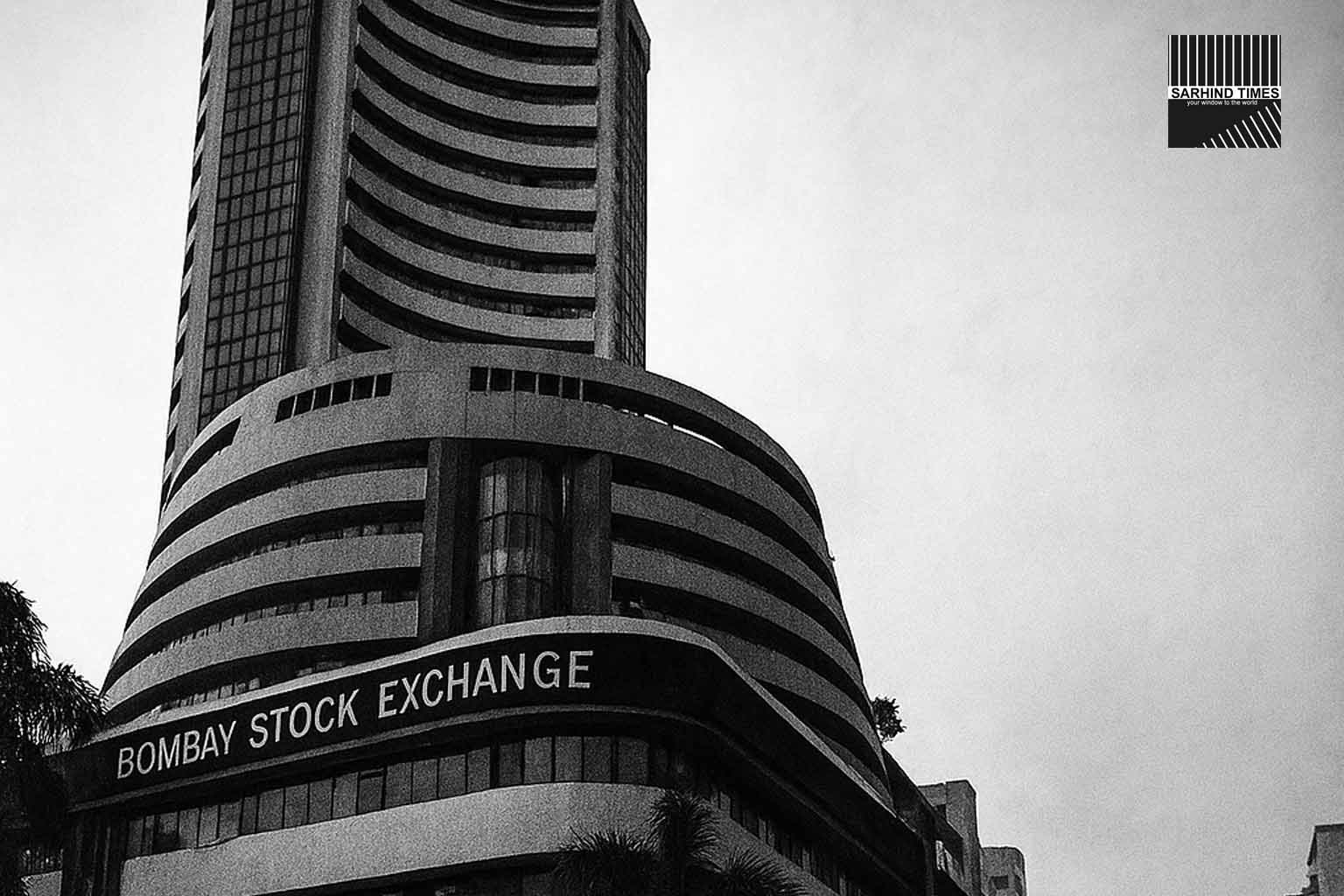
Nifty crosses key psychological barrier; foreign investors return after months of outflows, signalling renewed confidence in India’s economic trajectory
Dateline: Mumbai | 24 November 2025
Summary: India’s stock markets soared to unprecedented levels this week as the Sensex touched a historic all-time high and the Nifty crossed an important psychological threshold. Analysts attribute the rally to robust corporate earnings, strong domestic liquidity, improved global cues, and growing confidence in India’s long-term economic fundamentals. However, experts warn that volatility may intensify ahead of central bank announcements and geopolitical uncertainties.
Introduction: A Milestone Moment for Indian Equity Markets
India’s stock markets delivered a landmark moment this week as the Sensex surged to its highest-ever level, buoyed by strong domestic indicators and renewed enthusiasm from foreign institutional investors (FIIs). The Nifty, too, broke through a long-standing resistance zone, signalling broad-based optimism across sectors.
Market participants describe the rally as a reflection of India’s resilient economic narrative—supported by manufacturing expansion, rising consumer sentiment, and stable macroeconomic indicators. Yet, the celebratory mood is tempered by caution, particularly around the upcoming Reserve Bank of India (RBI) policy review and shifting geopolitical dynamics.
The Market Rally: Numbers Tell the Story
During Monday’s trading session, the Sensex surged past the symbolic milestone—driven by strong buying in banking, IT, energy, and consumer-driven stocks. The Nifty, meanwhile, climbed to a fresh peak, closing significantly above the psychological mark investors had been watching for weeks.
Trading volumes rose sharply, especially in frontline stocks, indicating high investor participation. Derivatives markets also saw increased activity, with index futures and options witnessing heavy turnover.
Key Drivers Behind the Record Rally
Analysts point to four primary catalysts fueling the current surge:
- Robust Corporate Earnings: Several large-cap companies posted better-than-expected quarterly results, especially in banking, automotive, and consumer goods.
- Return of FII Inflows: After months of cautious selling, foreign investors have re-entered Indian markets, encouraged by global stability signals.
- Strong Domestic Participation: Indian retail investors and mutual funds continue to pour in record-high investments, providing market stability.
- Positive Global Cues: Easing inflation in major economies and hopes of soft landing in the U.S. boosted investor morale.
Together, these factors created a supportive ecosystem that propelled indices upward at an accelerated pace.
Domestic Liquidity: The Silent Fuel Behind the Boom
One of the standout features of India’s current bull run is the dominance of domestic retail investors. Data shows that household savings flowing into systematic investment plans (SIPs) and equity mutual funds have hit multiple new highs throughout the year.
With digital trading platforms expanding access and financial awareness rising, India’s retail investor base has grown dramatically. Experts believe domestic participation has become the stabilising backbone of the market—absorbing foreign outflows during periods of volatility and sustaining long-term positive sentiment.
Corporate Earnings: Banking and Auto Lead the Charge
Earnings season played a crucial role in driving the market higher. The banking sector, buoyed by strong credit growth and improving asset quality, posted significant profits. Several top banks reported double-digit growth in net interest income (NII) and strong year-on-year improvements in provisioning buffers.
The auto sector also impressed investors with robust sales numbers, driven by renewed consumer demand and festive-season momentum. Electric vehicle (EV) manufacturers and ancillary companies reported record order books, adding to the sector’s bullish sentiment.
IT and pharmaceutical companies, though seeing mixed results, contributed to index stability through selective buying.
FIIs Return After Months of Caution
The re-entry of foreign institutional investors marked a turning point for Indian markets. Over the past several months, global funds were largely net sellers due to geopolitical uncertainty and concerns around U.S. interest rate trajectories.
However, indications of a stabilising global economy, coupled with India’s relative resilience, have prompted foreign investors to revisit Indian equities. Analysts say the inflows are likely to continue if macroeconomic stability persists.
Global Landscape: Why International Markets Matter
The international backdrop remains influential for Indian equities. With U.S. inflation indicators stabilising and European central banks signalling a patient approach, global markets have shown signs of easing stress.
The anticipated dovish stance of major central banks has boosted risk appetite, lifting emerging-market equities—including India’s. Global oil prices have also remained relatively stable, calming inflationary fears for import-dependent economies like India.
Sector-Wise Market Momentum
The rally was broad-based, but several sectors stood out:
- Banking & Financials: Strong loan growth, improved credit demand, and declining NPAs.
- Automobiles: Festive season sales, EV expansion, and improving supply chains.
- FMCG: Revival in rural demand aided steady momentum.
- IT: Selective buying ahead of upcoming quarterly guidance and stable U.S. cues.
- Energy & Power: Policy support for renewable expansion and steady crude prices.
Volatility Ahead? Experts Urge Caution
Despite the excitement, market strategists caution investors against assuming that the bull run will continue uninterrupted.
The coming weeks may bring volatility due to:
- The RBI’s upcoming monetary policy decision,
- Corporate year-end guidance shifts,
- Fluctuating global bond yields,
- Geopolitical tensions in key regions.
Analysts advise investors to monitor valuations closely, as several frontline stocks are trading at multi-year highs.
RBI Policy Outlook: Staying in Focus
The Reserve Bank of India’s next policy review will be a major trigger for market direction. Economists expect the central bank to maintain a cautious stance amid global uncertainties, though a shift toward a neutral policy cannot be ruled out if inflation remains on a downward trajectory.
A dovish signal from the RBI could further boost markets, while a hawkish shift may trigger profit booking.
India’s Economic Fundamentals: Why Markets Remain Confident
Several macroeconomic indicators underpin the current market optimism:
- GDP growth expected to remain above 6%
- Manufacturing PMI consistently strong
- Stable inflation outlook
- Rising foreign exchange reserves
- Robust tax collections
These indicators reinforce India’s position as one of the fastest-growing major economies in the world.
Retail Investors: The New “Market Movers”
A striking feature of the Indian market revolution is the influence of retail investors—now a powerful force in daily trading volumes.
Whether through SIPs, stock-picking apps, or low-cost brokerage platforms, individuals across the country are participating in markets like never before.
This changing landscape has added depth to Indian equity markets, reducing dependence on foreign flows and increasing long-term stability.
Market Risks: Hidden Fault Lines
Alongside optimism, several risks remain:
- Overvalued sectors where price-to-earnings ratios have stretched beyond fundamentals.
- Global recession risks in Europe and parts of Asia.
- Oil price volatility due to geopolitical conflicts.
- Corporate debt levels in select sectors with rapid expansion plans.
Market strategists warn that these risks could trigger short-term corrections.
What Investors Should Watch Next
Experts recommend monitoring:
- RBI policy announcements,
- U.S. Federal Reserve signals,
- Quarterly earnings trends,
- Crude oil prices,
- FII investment patterns.
Conclusion: A Bull Run Built on Strong Ground—but Not Without Caution
The Sensex touching historic highs marks a moment of pride for India’s financial markets. It demonstrates resilience, long-term confidence, and growing maturity in the nation’s capital markets.
Yet the celebration must be balanced with vigilance. Markets are dynamic systems shaped by global and domestic variables—many of which can shift quickly.
As India continues its economic journey, the current rally may be remembered as a milestone on the path toward deeper financial integration and global influence.
For now, the markets remain bullish—but investors are watching every signal in anticipation of the next big move.



+ There are no comments
Add yours