
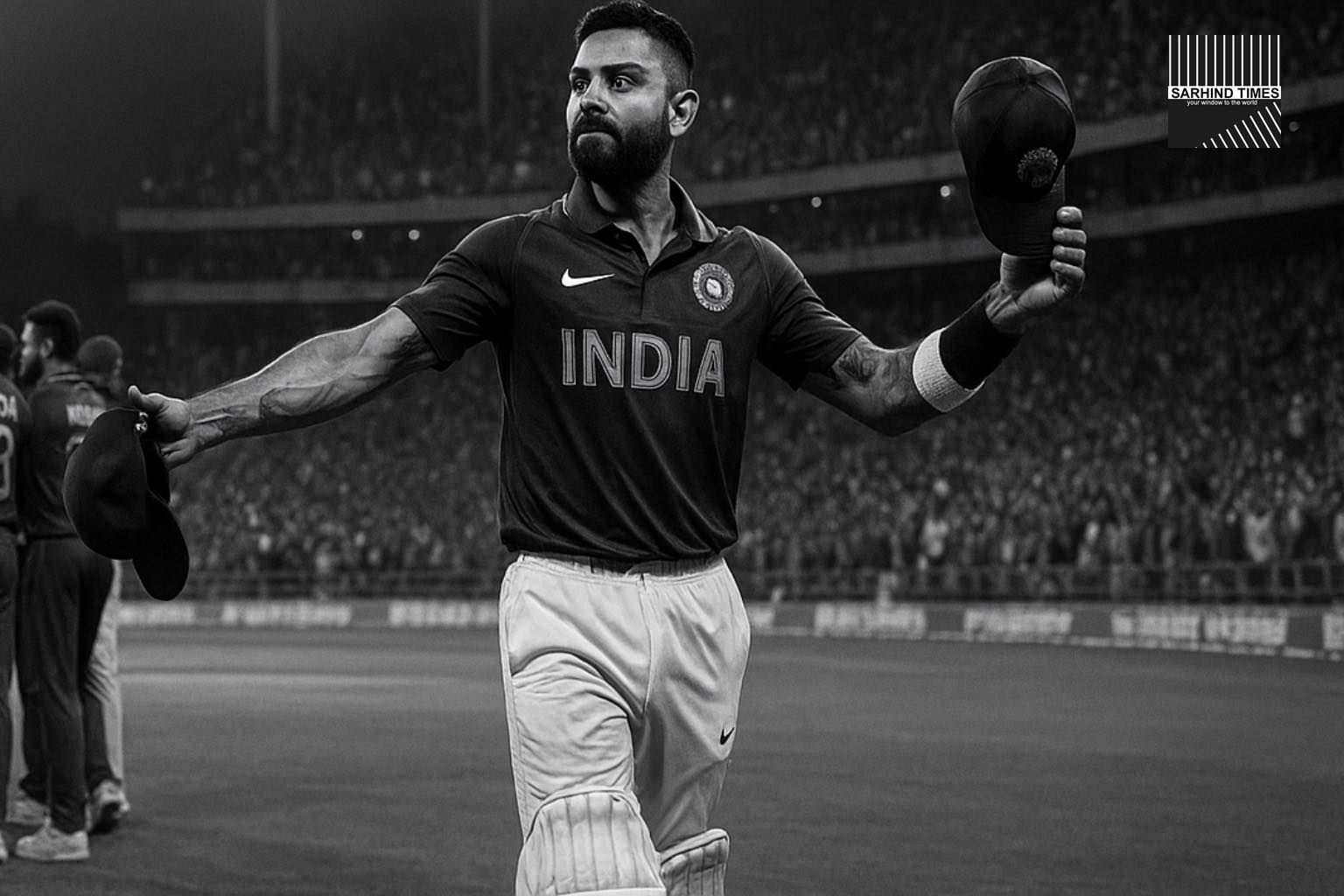
At 38 years and 182 days, India’s batting stalwart stakes a place at the top of the batting charts — a milestone for both him and Indian cricket.
Dateline: New Delhi | 2 November 2025
Summary: Veteran Indian cricketer Rohit Sharma has surged to the world No. 1 position in the ICC One Day International (ODI) batting rankings, becoming the oldest player ever to achieve this feat at 38 years and 182 days. The milestone underscores his enduring class, adaptability and consistency — and signals another chapter in India’s evolving cricket narrative.
Background and Context
Rohit Sharma’s elevation to the top of the ODI batting rankings comes after a remarkable period of performance, leadership and adaptation. Known for his explosive batting at the top of the order, his career has spanned almost two decades in international cricket, transitioning from a limited-overs specialist to an anchor, accumulator and sometimes finisher. His ascent to No. 1 at this stage, surpassing younger contemporaries, reflects not just one season but a sustained run of high scores, adaptability across formats, and physical fitness well past the typical peak years.
India’s white-ball cycle has seen several shifts recently. With the appointment of new leadership, fresh talent emerging and the older guard transitioning, Rohit’s milestone stands out as both a personal achievement and symbolic marker of Indian cricket’s layered talent pool. The fact that a 38-year-old can reach the summit of the batting charts in modern, fast-paced ODI cricket—with high expectations, analytics, workload, travel and evolving formats—is itself a statement.
Journey to the Top: Sequence of Performances
In the recent series and tournaments leading into late 2025, Rohit has demonstrated remarkable form. While younger players have been lauded for their exuberance, Rohit’s technique, shot selection and adaptability to sub-continental and overseas conditions have stood out. With India touring Australia and playing high-pressure matches, his ability to perform consistently under duress has strengthened his position.
His score-card over recent ODIs includes significant innings that combine boundary-hitting power with intelligent accumulation and situational awareness. These performances have added ranking points steadily, allowing him to overtake peers and reach No. 1. His experience, combined with his adaptability to evolving game-plans, has given him an edge.
Why This Matters: Implications for Indian Cricket
For Indian cricket, Rohit’s achievement carries multiple layers of significance:
- Longevity and durability: Modern cricket imposes heavy physical and mental demands—travel, bio-bubbles, constant scheduling, varied formats. Reaching No. 1 at 38 emphasises how fitness, workload management and adaptation matter in sustaining performance.
- Role modelling for upcoming players: Younger batters and all-rounders can see a path where adaptability, technique and modern mindset—rather than pure brute aggression alone—can lead to success. Rohit’s ability to modify his game, anchor or accelerate as required, is instructive.
- Team composition and strategy: With the team integrating younger players and redefining roles, Rohit’s role may evolve further: mentoring, managing situations, finishing games or anchoring in pressure matches. His ranking signals that veterans still have strategic importance in the white-ball mix.
- International perception: India’s batting strength deepens when a player of Rohit’s calibre is performing so strongly. Opponents must account for him even as India rotate or test younger combinations, adding strategic complexity.
Technical and Tactical Analysis
From a technical perspective, Rohit’s game has incorporated elements that support his resurgence:
- Shot-selection clarity: Rather than hitting every ball hard, Rohit has increasingly picked his moments—rotating strike, building partnerships, accelerating only when the match context demands it.
- Adaptation to conditions: Whether facing bounce in Australia or spinners in India, he has shown ability to adjust his footwork, timing and shot-placement. This versatility supports a high rating across venues.
- Workload management: He has reportedly been selective about back-to-back high-intensity matches, focusing on recovery and preparation—a key factor in sustaining such performance at an advanced age.
- Mentoring role: On-field presence, reading of game situations, and ability to guide batting partners matter in close matches. This enhanced strategic dimension likely influences his influence in the team—and underlying rating parameters.
Comparative Perspective: Older Players in Modern Cricket
Historically, reaching world-No.1 rankings has often coincided with players in their physical prime—from late 20s to early 30s. Rohit’s landmark achievement shifts that paradigm. It highlights that experience plus fitness plus intelligence can offset the speed declines or reflex-drops that often accompany age.
Other cricketing nations have had examples of older players performing well: for instance, players who extended careers into late 30s or early 40s, but rarely to world-No.1 status. Rohit’s climb therefore stands out in global context. It suggests Indian cricket’s support systems (training, recovery, analytics) are effective in extending peak windows for key performers.
Team Dynamics: What This Means for Selection and Roles
With India’s squad balancing youth and experience, Rohit’s role is likely to evolve. Rather than always being dominant number-one bat, his selection may increasingly hinge on match-context, opposition, venue and team-balance. Some likely strategic considerations:
- Rotation policy: In a packed calendar, workload management may mean Rohit sits out selected matches to preserve freshness; his No. 1 ranking may give the team flexibility to deploy him specifically in matches where his experience matters most.
- Finisher/anchor hybrid role: With younger batsmen innovating aggressively, Rohit may anchor an innings or accelerate from mid-innings rather than open relentlessly. This dual role requires high cricket-IQ and tactical clarity.
- Mentorship and leadership influence: His presence in the dressing-room and on-field provides stabilising influence. The batting unit can benefit from his reading of bowlers, pitch behaviour and match rhythms.
- Succession planning: With his ranking secured, the team management can plan for future transition—possibly grooming an heir while still retaining Rohit’s impact in key matches.
Challenges Ahead: Sustaining the Momentum
Achieving No. 1 is one milestone; staying there is another. Rohit faces several challenges in sustaining his peak:
- Physical demands: At age 38, recovery from matches, travel fatigue, time-zone shifts and injuries become bigger factors. Managing workload will remain vital.
- Opposition analysis: Opponents will now have more data on his recent form and may craft specific plans—sustained success demands constant adaptation.
- Team pressure and expectations: Being No. 1 brings heightened expectations—pressure to win, anchor, lead crucial matches. Balancing personal excellence with team demands becomes more complex.
- Younger alternatives pushing hard: As younger batsmen rise and competition for spots intensifies, Rohit must continue to prove relevance not only through rank but through match-winning impact.
Ripple Effects: For Indian Cricket and Beyond
The broader ripple effects of Rohit’s achievement include:
For domestic cricket: His resurgence underscores the value of domestic fitness regimes, analytics and player development that allow careers to extend and peak later. This may encourage boards and coaches to revisit how they manage older players, rotations and workload.
For fan perception: Indian fans are accustomed to flamboyant young stars; Rohit’s milestone also evokes nostalgia, continuity and respect for longevity. It bridges generations — from his early-career pinch-hitting to his current status as the elder statesman of India’s batting line-up.
For cricket at large: Internationally, this achievement may recalibrate how senior players are valued. It suggests that even in fast-paced formats, experience and mental sharpness remain important. Other cricket-boards may study how India has managed Rohit’s career, training, recovery and selection to extend his effective years.
Looking Ahead: What’s Next for Rohit and Team India
As India tour Australia for ODIs and T20Is, Rohit’s form will be crucial in the tough overseas environment — bounce, pace, new ball challenges and hostile crowds put additional demands. The ranking will make him a marked man, so his preparation, adaptability and match-plans will be under microscope.
From a team perspective, this is a stable pillar in the batting set-up. India’s selectors and coaching staff may tailor schedules so that Rohit peaks for key series and tournaments next year — including the World T20, Champions events, and bilateral series against top sides. His fitness regime, role clarity and workload management will be vital.
Conclusion
Rohit Sharma’s ascent to world No. 1 in the ODI batting rankings is more than just a personal badge of honour — it symbolises resilience, adaptability and strategic longevity in modern cricket. For Indian cricket, it is a milestone that bridges eras, honours experience, and reaffirms that the mix of youth and wisdom may chart the path forward. While the journey ahead remains challenging, Rohit has shown that age is no barrier to excellence—provided performance, preparation and mindset align. Indian cricket fans, administrators and selectors alike will watch closely how he sustains this peak, and how Team India leverages his form, leadership and experience in the campaigns to come.



+ There are no comments
Add yours