
13 Sep 2025
Introduction: A Nationwide Legal Relief Drive
On September 13, the National Lok Adalat has once again opened its doors across India, giving millions of citizens a rare opportunity to settle long-pending minor traffic challans without undergoing prolonged legal battles. From missing helmets and seat belts to PUC lapses and minor speeding tickets, the Lok Adalat mechanism is providing both convenience and relief.
For many, this initiative is not just about saving money on fines; it’s about restoring peace of mind, clearing legal liabilities, and easing the heavy burden that India’s courts have carried for years.
The system is designed to resolve disputes outside the formal court framework, focusing on conciliation, mutual agreement, and simplified processes. While serious traffic offences like drunken driving, hit-and-run cases, and reckless negligence leading to fatalities remain excluded, the opportunity has generated significant interest nationwide.
What is Lok Adalat?
Lok Adalat (People’s Court) is a form of alternative dispute resolution recognized under the Legal Services Authorities Act, 1987. It is organized at regular intervals across states by State Legal Services Authorities and District Legal Services Authorities, under the guidance of the National Legal Services Authority (NALSA).
The concept is simple: instead of letting minor disputes clog up India’s overburdened judiciary, disputes are amicably resolved in Lok Adalats where settlement is voluntary, quick, and binding. Once a matter is settled in Lok Adalat, it has the same effect as a civil court decree and is non-appealable.
Over the years, Lok Adalats have covered a wide range of disputes—from bank recoveries and insurance claims to matrimonial issues and traffic challans. The September 13 initiative specifically emphasizes minor traffic violations, reflecting the rising concern over urban congestion and the need to balance law enforcement with citizen convenience.
Why Traffic Challans Matter
Traffic violations may appear minor, but collectively they represent a huge legal and financial burden in India. According to Ministry of Road Transport and Highways data, more than 10 crore challans are issued annually in India, and millions remain pending in courts due to non-payment or disputes.
These cases consume judicial time that could otherwise be directed toward serious criminal or civil matters. For citizens, unresolved challans often escalate into larger liabilities, including additional penalties, vehicle seizure, or even court summons.
By diverting such cases to Lok Adalat, India achieves a dual benefit:
- Decongesting the courts – saving judges’ time for more complex issues.
- Offering citizens a one-time relief window – helping them avoid repeated appearances and higher fines.
Who Can Benefit Today?
The September 13 Lok Adalat specifically targets minor traffic violations, such as:
- Driving without a helmet or seat belt.
- Minor speeding violations within permissible ranges.
- Illegal parking in non-dangerous zones.
- Driving without carrying a valid Pollution Under Control (PUC) certificate.
- Non-compliance with minor vehicle documentation requirements.
Excluded Violations:
- Drunken driving.
- Hit-and-run cases.
- Reckless driving leading to fatal or grievous injuries.
- Serious negligence such as racing, overloading, or overspeeding beyond prescribed dangerous limits.
This ensures that while ordinary citizens with small lapses get relief, offenders involved in life-threatening conduct remain fully accountable under the law.
Procedure for Citizens
Citizens willing to take advantage of today’s Lok Adalat should follow these steps:
- Check Challan Status: Use state traffic police websites or apps to verify pending challans.
- Gather Documents: Carry essential items such as driver’s license, vehicle registration, insurance, PUC certificate (if available), and challan notice.
- Locate Lok Adalat: Find out the venue in your district court or traffic police station where Lok Adalat is operational today.
- Settlement Process: Present challans to the presiding Lok Adalat panel. Penalties may be reduced, waived, or settled in lump-sum payment.
- Obtain Receipt: A settlement receipt acts as final proof, binding under law, and no further legal action will be taken for that challan.
This is not only time-saving but also legally conclusive—citizens cannot be dragged back to court for the same offence once settled.
Relief vs. Responsibility
While the relief has been welcomed widely, legal experts and road safety advocates caution against interpreting this as a free pass to flout rules.
Expert Views:
- Adv. Ritu Singh (Delhi High Court): “Lok Adalat is a legal relief mechanism, not an excuse to break traffic rules. Citizens must understand that the objective is to clear pending disputes, not to encourage careless driving.”
- Traffic Expert Rajesh Malhotra: “India’s road safety record is among the worst globally. Any relief should be balanced with awareness campaigns to ensure citizens comply with rules in the future.”
Burden on Courts: A Double-Edged Sword?
While Lok Adalats are meant to reduce the burden on regular courts, critics argue that a nationwide, one-day drive can sometimes overwhelm the system. The sudden influx of lakhs of citizens hoping for relief can strain local infrastructure and administrative capacity.
However, supporters argue that the long-term gains far outweigh the temporary strain. Every challan cleared today means one less case pending tomorrow.
Human Stories: Citizens Speak
- Seema, a teacher from Gurugram: “I had three challans pending for not carrying my PUC certificate. Going to court would have meant missing work. Today, I cleared everything in one go. It’s such a relief.”
- Ramesh, a two-wheeler driver in Nagpur: “I was caught twice without a helmet last year. The fines were piling up. Thanks to Lok Adalat, I could settle it with reduced penalty.”
These stories reflect how the initiative is not merely administrative—it touches daily lives and livelihoods.
Larger Impact on Road Safety
Critics often ask: does reducing fines weaken deterrence? Not necessarily.
In fact, Lok Adalat initiatives are accompanied by awareness campaigns stressing the importance of helmets, seat belts, and pollution control. Rather than replacing enforcement, the Lok Adalat complements it by resetting the system—clearing old dues while reinforcing future compliance.
Historical Context: Lok Adalats & Traffic in India
Lok Adalats have been used for decades to settle traffic disputes. For instance:
- In 2019, Delhi Traffic Police and Delhi State Legal Services Authority jointly cleared over 1.5 lakh traffic challans in a single Lok Adalat day.
- In 2021, during COVID-19 recovery, many states allowed citizens to pay fines through virtual Lok Adalats, easing digital compliance.
Today’s initiative follows this legacy, proving once again that alternative dispute resolution is not just about civil disputes—it is an essential tool in managing urban governance.
Future Outlook
Legal experts suggest that similar Lok Adalat initiatives should be institutionalized quarterly or bi-annually to prevent backlogs. Technology integration, like online Lok Adalats, could further enhance efficiency.
With the government’s ongoing push for Digital India, combining e-challan systems with Lok Adalat settlements online could mark the next evolution of legal relief in India.
Conclusion: Relief with Responsibility
The September 13 National Lok Adalat initiative stands as a symbol of citizen-centric justice—where the law doesn’t just punish but also understands and accommodates.
For traffic offenders with minor lapses, today is a golden chance to reset the slate. For India’s judiciary, it is another step in demonstrating the power of alternative dispute resolution. And for society at large, it is a reminder: laws exist not only to discipline but also to empower citizens with accessible justice.
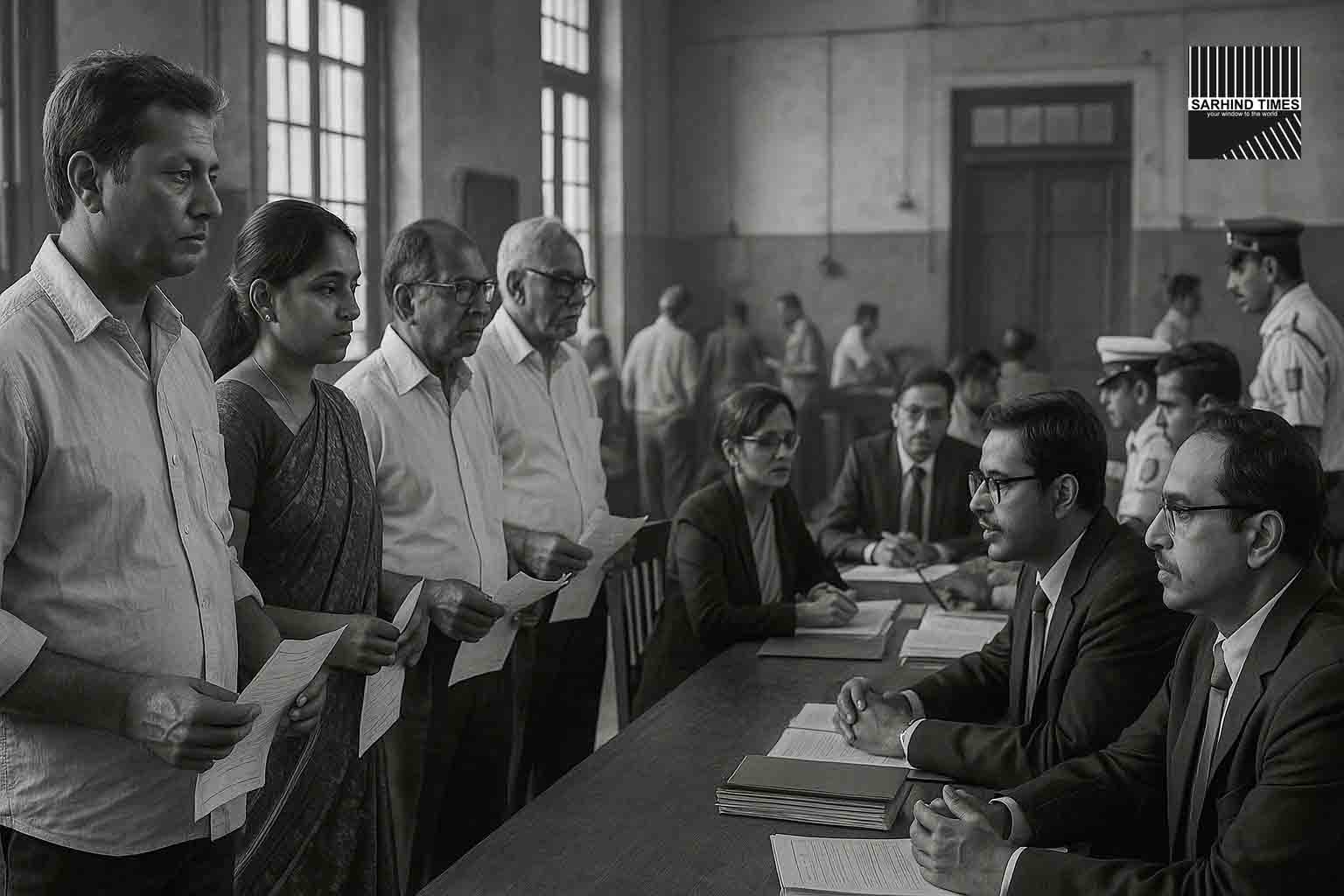
As citizens line up to settle challans, the message is clear—legal relief and road safety must go hand in hand.
#LokAdalat #TrafficRules #LegalRelief #IndiaLaw #RoadSafety #CitizenWelfare #ChallanRelief #CourtReform #AccessToJustice



+ There are no comments
Add yours