
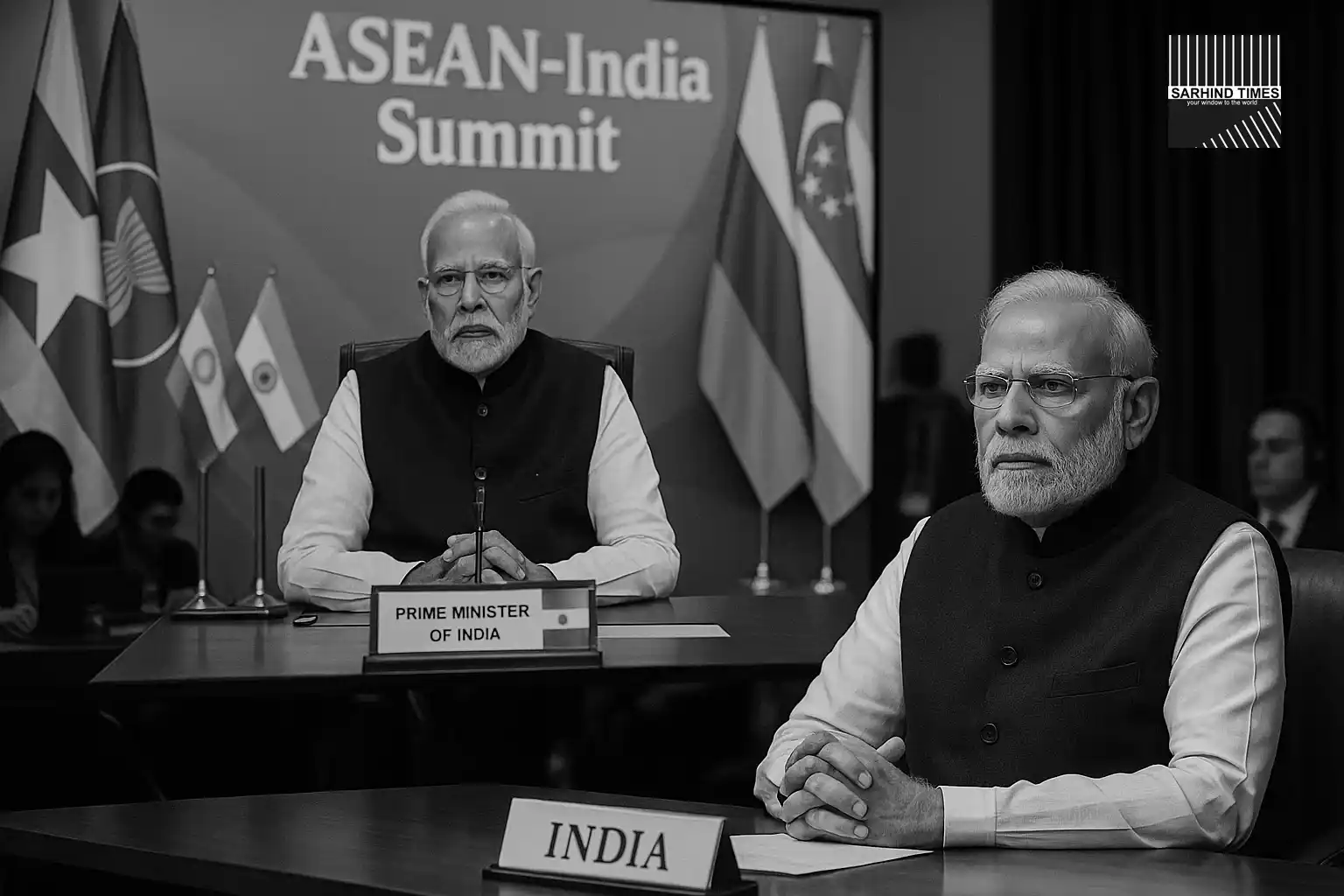
Narendra Modi opts out of in-person appearance, reflecting tension in the ASEAN-India partnership and stalled U.S. trade negotiations
Dateline: New Delhi | 28 October 2025
Summary: India’s Prime Minister Narendra Modi will attend the ASEAN Summit in Kuala Lumpur virtually, ruling out a face-to-face meeting with U.S. President Donald Trump at the event. The move highlights lingering difficulties in concluding a U.S.–India trade deal, as punitive tariffs and conflicting energy ties weigh on the relationship.
“`
Why the virtual attendance matters
Modi’s choice not to travel in person signals several dynamics at play. Officially, the reason cited was concurrent Deepavali celebrations, but political commentators view it as part of India’s more cautious foreign-policy posture amid trade and energy tensions with the U.S. The Washington New Delhi trade dialogue has seen repeated impediments, including recent U.S. tariffs on Indian goods tied to India’s continued purchase of Russian oil.
The optics of a virtual attendance at such a high-level summit carry weight: while India remains committed to the strategic partnership with ASEAN, the decision suggests either scheduling sensitivities or a desire to avoid high-profile bilateral engagements that may spotlight unresolved issues.
Status of U.S.–India trade negotiations
Trade discussions between India and the U.S. have been ongoing for months. According to reports, Washington is seeking reductions in Indian tariffs on U.S. goods and decisive action on energy imports from Russia, while India is pushing for greater market access and favourable treatment for its services and manufacturing sectors.
The U.S. responded to India’s oil-import stance by imposing a 25 % punitive tariff on Indian goods in August, raising total levies to 50 % in some cases.
Earlier media reports indicated a possible deal structure that could cut tariffs on Indian imports to the U.S. to around 15-16 %, provided issues around energy and agriculture were resolved.
Given the complexity of these issues, the virtual summit participation may indicate India’s preference to keep bilateral tensions out of the public bilateral spotlight and maintain a multilateral focus via ASEAN channels.
ASEAN-India Comprehensive Strategic Partnership: Where it stands
The ASEAN–India Comprehensive Strategic Partnership is designed to promote cooperation across trade, connectivity, maritime security and people-to-people links. India’s engagement with ASEAN is key to its “Act East” policy and plays a role in the Indo-Pacific strategic architecture.
However, analysts note that while rhetoric remains strong, deliverables have lagged. Connectivity infrastructure, trade volume with ASEAN nations, and institutional implementation remain areas of concern. Modi’s remote participation at the summit may be interpreted as a message that India is prioritising other engagements—or that it is more focused on selective engagement rather than full-spectrum diplomacy.
Regional stability and India’s strategic posture
Beyond trade, India’s foreign-policy horizon includes a range of security and strategic considerations: maritime security in the Indian Ocean, border tensions with China, deepening ties with Southeast Asia and navigation of great-power rivalry. The ASEAN forum offers India a platform to project influence and deepen regional integration.
By choosing virtual attendance, India may also be avoiding heightened bilateral pressure with the U.S. or other partners in a highly visible forum, preferring to keep its strategic flexibility. Some observers view this as emblematic of India’s “non-alignment 2.0” posture: active engagement without full subordination to any one power bloc.
Challenges ahead for the relationship
The India–U.S. trade relationship remains significant but complex. While India wants access for its services and manufacturing exports, the U.S. is pushing for commitments on energy, human rights, and intellectual-property protections. The energy angle—particularly India’s imports of Russian oil despite U.S. sanctions—remains a sticking point.
On the ASEAN side, trade growth has been promising but infrastructure and connectivity challenges persist. India’s peripheral geography relative to ASEAN markets (compared to Southeast Asia’s sit-up to China) means that push is needed on logistics, maritime links and supply-chain integration.
What to watch at the summit and beyond
Key outcomes to monitor include:
- Any updated India–ASEAN trade or partnership roadmap or MoUs announced during or after the summit.
- India’s role in Indo-Pacific regional initiatives, including maritime security partnerships, supply-chain diversification and digital connectivity.
- The direction of India–U.S. trade negotiations: whether the virtual absence presages a delay or signals India’s reservation about concessions.
- The public messaging from the summit multilateral sessions and whether India uses the platform to signal alignment with ASEAN beyond the bilateral India–U.S. track.
Implications for India’s global standing
India has been positioning itself as a rising global power, with ambitions for a permanent seat on the United Nations Security Council, active engagement in the G20 and deepening ties with multiple major powers. The ASEAN-India summit provides a stage for exercising that role.
However, strategic visibility must be matched by diplomatic delivery. A virtual appearance by the Indian Prime Minister at a major summit may send mixed signals: that India values the forum but may lack the bandwidth or appetite for full-spectrum in-person engagement amid other ties. Whether this becomes a one-off or emblematic of India’s diplomatic recalibration remains to be seen.
Conclusion
Prime Minister Modi’s virtual participation in the ASEAN summit is more than a scheduling note—it is a statement in itself. As India navigates complex trade talks with the U.S., energy-policy choices, and regional partnership ambitions, its choices of stage, mode and message matter. For ASEAN, India remains a valued partner, but the optics of absence may matter. For the U.S., the trade file with India remains open but will require accommodation, trust and resolution of underlying strategic divergences. India’s next diplomatic steps—whether in the corridors of Kuala Lumpur, Washington or elsewhere—will be telling for its global trajectory.


+ There are no comments
Add yours