
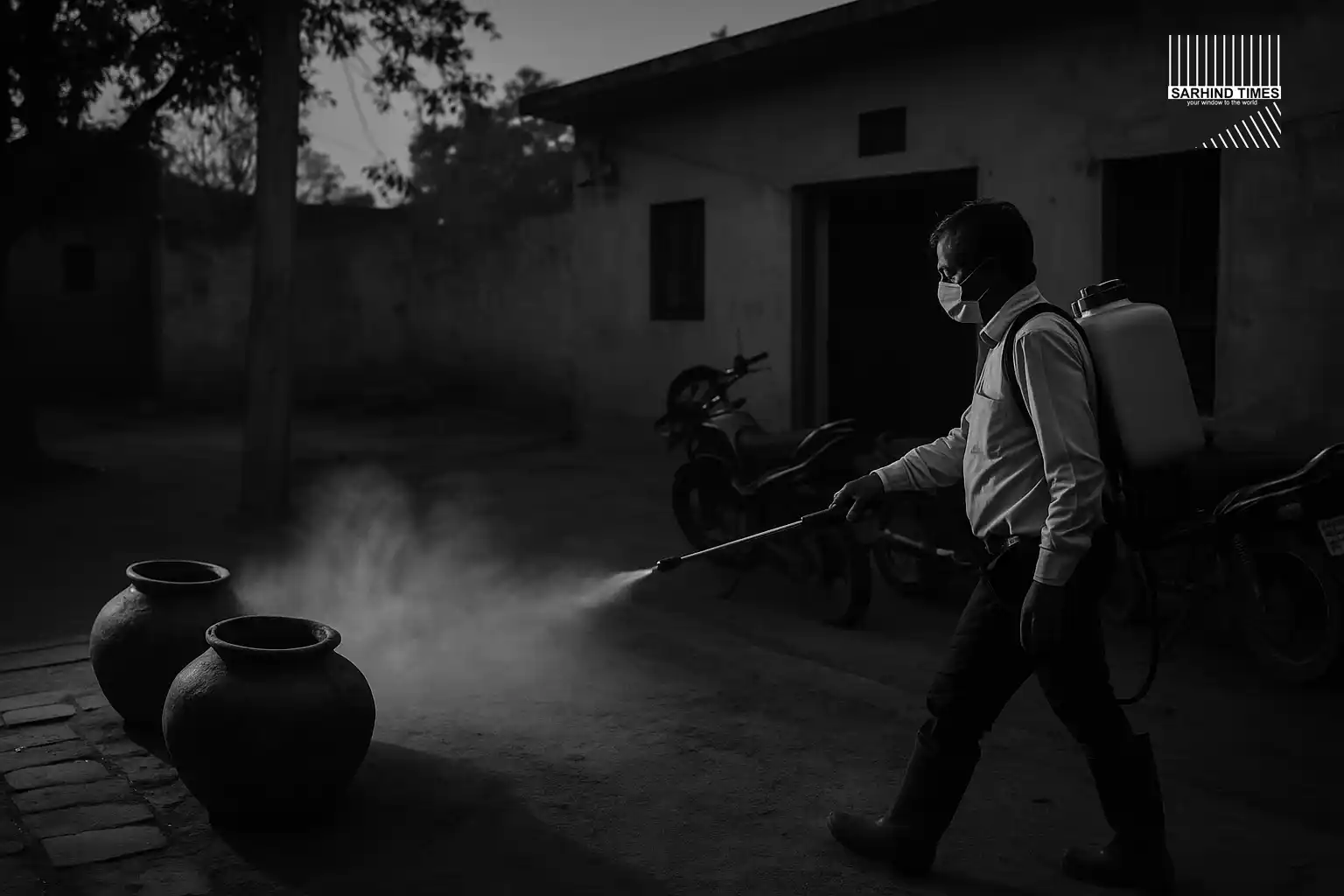
With over a 78 % drop in cases since 2015, India accelerates toward its 2030 elimination goal even as states brace for recent uptick in vector-borne risks
Dateline: New Delhi | 8 November 2025, Asia/Kolkata
Summary: India has recorded a sharp reduction in malaria morbidity and mortality—over 78 % since 2015—according to the Ministry of Health and Family Welfare. Despite the progress, a fresh advisory urges states to prepare action-plans within 20 days ahead of the monsoon tail-end, warning of risks of dengue and malaria resurgence. The country remains focused on eliminating indigenous malaria by 2027 and full national elimination by 2030.
1. The milestone: metrics and meaning
Government of India data show that malaria cases and deaths have fallen by around 78 % between 2015 and 2024. 160 districts have reported zero indigenous cases between 2022-24, and 33 States/UTs now have an Annual Parasite Incidence (API) below one in 2024. The ministry reviewed progress in September and underlined the achievement while cautioning that the epidemic potential remains.
The reduction places India outside the “High Burden to High Impact” (HBHI) country list for malaria, marking a paradigm shift in public-health outcomes.
2. Strategic roadmap and institutional tools
The national plan is anchored in the National Strategic Plan for Malaria Elimination 2023‑27 which outlines the goal of zero indigenous malaria cases by 2027, and full elimination by 2030.
Key institutional tools now include the Integrated Health Information Platform (IHIP) for real-time surveillance, strengthened ASHA incentives, deployment of Long-Lasting Insecticidal Nets (LLINs), aggressive diagnostics and community outreach campaigns.
3. Why this matters: health, economic, and equity angles
Malaria elimination is not only a health win but also has implications for productivity, rural development and equity. Malaria morbidity disproportionately affects remote and tribal districts. The decline means fewer work-days lost, lower treatment costs, and less strain on primary health centres. Inclusion of this agenda supports rural health access and broader social welfare. Moreover, success in malaria reflects health-system resilience and sets the tone for tackling other vector-borne diseases.
4. The pull-back risk: monsoon, dengue, and resurgence threats
Despite the positive headline, officials are wary. The health ministry issued an advisory to all States and UTs in September, instructing them to prepare action-plans within 20 days covering dengue and malaria control ahead of likely monsoon remnants and stagnant-water risk.
States such as Mizoram remain hotspots: four of its districts are classified as high-endemic despite overall national decline. For example, between January and September 2025 the state recorded over 7,300 cases versus nearly 16,900 in same period last year—showing progress but highlighting persistent regional challenge.
5. Implementation challenges and uneven geography
While overall metrics look strong, several caveats apply:
- High-burden pockets remain, especially in tribal, forested, north-eastern and border districts. Converging health access, mobility and vector ecology complicate elimination.
- Migratory populations and cross-border movement may import malaria parasites into low-transmission zones, threatening resurgence.
- Private-sector diagnostics and treatment outside the public-system surveillance often remain under-counted; actual residual transmission may be underestimated.
- Maintenance of momentum is critical: As cases fall, political and financial attention often drop, risking complacency.
- Vector resistance, insecticide fatigue and climate-variation (unusual rainfall, flooding) may trigger localized outbreaks even in low-transmission states.
6. States in focus: regional stories and responsibilities
Some state-specific insights:
Haryana, for example, recorded 174 malaria cases until September 2025 – highest in five years – though importantly with zero deaths. While this remains a far cry of the earlier high volumes, it shows vigilance is required even in states with lower baseline.
North-eastern states continue to bear a disproportionate burden. The review meeting in Mizoram flagged its districts as Category 3 (high endemic). Inter-state coordination, community engagement and funding continuity there remain key.
7. Policy and financing angles
The national programme draws on converging investments from central and state budgets, external partner funding, and philanthropic contributions. Among the policy measures: enhanced incentive for field workers, accreditation of elimination districts, advanced entomological monitoring and an integrated surveillance architecture. The policy also emphasises inter-sectoral convergence – linkages between health, rural development, water, sanitation and tribal affairs to address underlying vulnerability.
8. Private-sector and technology role
Emerging technology plays a role: remote-sensing for vector ecology, machine-learning for case-forecasting, geotagged case-monitoring via IHIP, and digital dashboards for district-level action. Private diagnostics and tele-health are increasingly relevant, particularly in low-access zones.
9. Behavioural-change and community engagement
The mandate emphasises not just hardware (nets, sprays) but behaviour change: community clean-up drives, “dry-day” campaigns to eliminate stagnant water, and school-based awareness. The household plays a pivotal role. With malaria incidence low, public attention wanes easily; bridging the “last mile” now requires constant civic mobilisation.
10. Looking ahead: timeline and implications
Key milestones ahead include achieving zero indigenous malaria cases by 2027, elimination at national level by 2030, and subsequent certificate of elimination conditions: no indigenous cases for three years, strong surveillance and prevention of re-introduction. The next 18-24 months are critical: sustaining funding, scaling salvage operations in high-burden districts and proactively preventing resurgence during monsoon/late-monsoon phases.
11. What to watch for readers and stakeholders
For readers — individuals and communities — key questions to monitor:
– Are local PHC/ASHA centres receiving diagnostics and training?
– Is awareness high during monsoon/post-monsoon months?
– Are schools and village institutions participating in clean-up and anti-mosquito drives?
– Are states publicly releasing case-data and heat-maps?
For investors or NGOs:
– Where is the funding gap in elimination districts?
– Which technology firms are stepping into vector-surveillance or health-data solutions?
– Which areas are ripe for scaling community‐health initiatives and social-enterprise models in vector control?
12. Conclusion: major progress, but vigilance non-negotiable
India is at a promising but fragile threshold in its malaria journey. The numbers tell a story of success: more than three-quarters reduction in morbidity and mortality, exit from the HBHI list, many districts reporting zero cases. Yet elimination is a steeper mountain than control. As the country edges toward 2027, the risk of resurgence looms. The health ministry’s recent advisory underscores that marker: keep the guard up, invest until the finish line, and ensure equity of access everywhere.
For Indian citizens, this means being alert, participating in “Dry Day” and cooperating with local health drives. For policymakers and global health watchers, the message is: India can show the world what a high-burden country shifting to elimination looks like — but only if it sustains momentum, closes gaps and fights complacency. The next chapter in public-health success will depend not on headlines, but on those quietly monitored last cases.



+ There are no comments
Add yours