
ICMR issues nationwide advisory; emergency fever wards overflow in New Delhi, Noida, Gurugram and Ghaziabad as cases climb sharply in 72 hours
Dateline: New Delhi | 1 December 2025
Summary: India is witnessing one of the most intense dengue and viral fever surges in recent years, with Delhi–NCR reporting an alarming rise in high-grade fever, low platelet cases, and hospital admissions within the past three days. Public and private hospitals across the capital region have expanded emergency wards and postponed non-essential procedures. ICMR has issued nationwide guidelines warning that the next two weeks are critical. Municipal bodies are conducting anti-larval fogging drives, but experts warn that climate patterns and urban density are accelerating mosquito breeding beyond control.
India Confronts One of Its Most Challenging Dengue Seasons
India is in the grip of a major dengue and viral fever wave, with the latest 72-hour data showing a steep rise in patients reporting high-grade fever, severe body ache, falling platelet count, dehydration, and secondary infections. Health authorities in the capital region have sounded an alert after recording one of the sharpest weekly increases in cases in the past five years.
Doctors across New Delhi say the surge is not limited to dengue alone. Cases of scrub typhus, chikungunya, influenza, adenovirus, and undiagnosed febrile illnesses are rising simultaneously, creating what experts describe as a “multi-pathogen fever ecosystem.” This convergence is putting unprecedented pressure on hospitals, diagnostics labs, fever clinics, and municipal response teams.
Hospitals in New Delhi Running Beyond Capacity
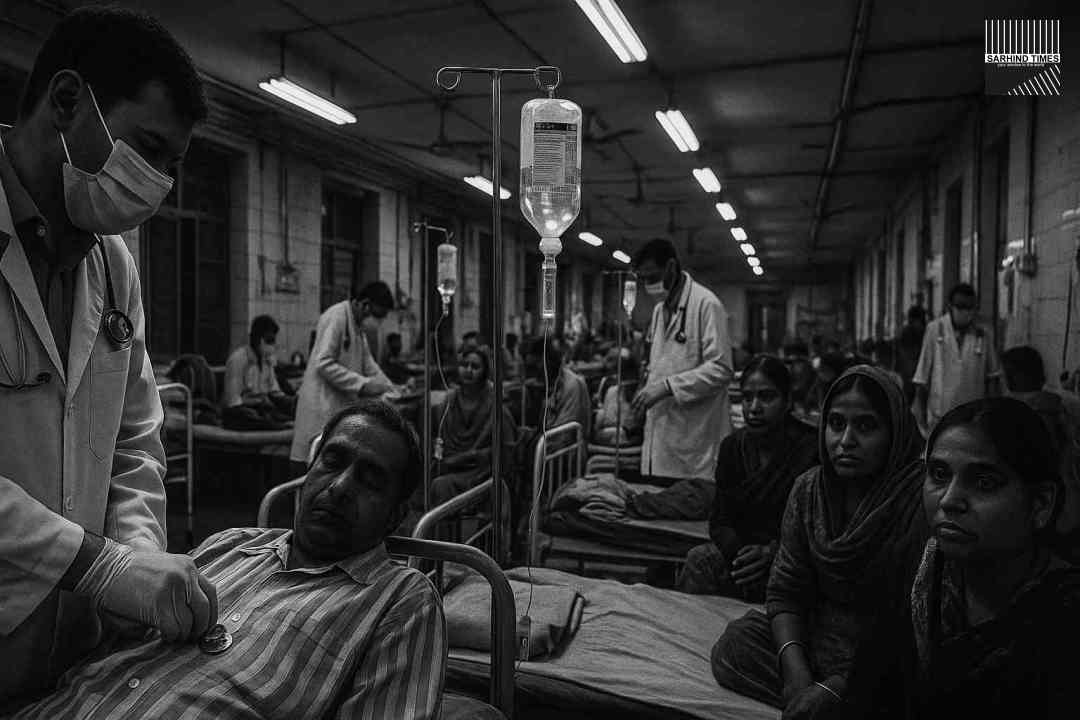
Across major hospitals — including AIIMS, Safdarjung Hospital, Lok Nayak, GTB Hospital, RML, and several private chains — daily patient inflow has doubled. Fever wards that typically accommodate 40–60 patients are now dealing with 120–150 cases at a time. Several hospitals have placed chairs, temporary beds, and even mats along corridors to handle the load.
Doctors report that the severity of symptoms this year is unusually high. A significant proportion of patients require platelet monitoring, fluid management, and continuous observation. Many arrive with dangerously low platelet counts, prompting hospitals to issue urgent calls for donors.
ICMR Advisory: The Next Two Weeks Are Critical
Responding to the surge, the Indian Council of Medical Research (ICMR) has released a nationwide advisory urging citizens to take extreme precautions. The advisory emphasises:
- Immediate testing for patients with fever lasting more than 48 hours.
- Avoiding self-medication, particularly NSAIDs that may worsen platelet loss.
- Frequent hydration and monitoring for warning signs like abdominal pain and persistent vomiting.
- Intensive mosquito control efforts in residential and commercial areas.
ICMR scientists say that while seasonal dengue is expected each year, the current spike is intensified by irregular weather conditions, extended humidity, and unseasonal warm nights — ideal conditions for Aedes mosquito survival and breeding.
The Climate Factor: Warm Nights, Late Rain, and Breeding Explosions
Meteorological data shows that this year’s unusual weather patterns played a decisive role in the outbreak. Delhi experienced intermittent showers in late November, combined with prolonged humidity and minimal temperature drop.
Entomologists warn that urban climate patterns in India’s mega-cities are shifting. Heat islands, stagnant drains, construction waste, and rooftop water tanks provide conducive environments for Aedes mosquitoes. This means dengue seasons are starting earlier, lasting longer, and becoming more severe each year.
NCR Hotspots Emerge: Delhi, Gurugram, Noida, Ghaziabad
Delhi–NCR has become the epicentre of the surge. Officials identified several high-risk localities where mosquito breeding density is exceptionally high.
New Delhi Hotspots:
- Okhla
- Mehrauli
- Lajpat Nagar
- Karol Bagh
- Burari
Gurugram:
- Sohna Road belts
- Sector 56–57 clusters
- DLF Phase-3 and Phase-5
- Newer high-rise pockets along Golf Course Extension Road
Noida & Greater Noida:
- Sector 62
- Sector 137
- Beta & Gamma residential blocks
Ghaziabad:
- Indirapuram
- Vaishali–Vasundhara corridor
- Raj Nagar Extension
Rapid urban growth, high-density housing, and incomplete drainage networks contribute to the outbreak in these zones.
Platelet Shortage Worries Mount
The demand for platelets has surged in the past three days. Blood banks in Delhi are running extended hours. Some private hospitals have tied up with volunteer groups to mobilize donors quickly. Several hospitals have issued public appeals as their platelet stocks dropped more than 40% below safety thresholds this week.
Doctors emphasize that not all dengue patients require platelet transfusion, but severe cases do. Rising panic among citizens sometimes results in unnecessary transfusion demand, further straining supplies.
School Absenteeism Skyrockets
Schools across Delhi–NCR have reported absenteeism rates as high as 40–50%. Principals say that entire classroom blocks have students reporting fever or recovering from viral infections. Some schools have advised optional online attendance for younger students for the next week.
The Directorate of Education is expected to issue guidelines shortly, though officials say schools will remain open unless cases worsen dramatically.
Workplaces Hit: Offices Switch to Hybrid Mode Temporarily
Corporate offices in Gurgaon’s Cyber Hub, Noida’s IT parks, and South Delhi’s business zones have reported a noticeable dip in workforce presence. Many companies have reinstated temporary hybrid-mode options as employees struggle with fever symptoms or care for sick family members.
Diagnostic Labs See Record Testing Numbers
Diagnostic labs in Delhi–NCR have reported a 200–250% jump in dengue NS1, CBC, and viral panel testing. Lab technicians say they are operating at maximum capacity, with testing slots filling quickly and reports taking longer than usual due to overwhelming volume.
High demand has also led to temporary shortages of rapid-test kits, although suppliers are working to replenish stocks.
MCD and State Authorities Intensify Fogging and Anti-Larval Drives
Municipal bodies have intensified fogging operations and door-to-door inspections. Teams have been deployed in high-risk zones, conducting anti-larval treatment, checking water storage containers, and issuing notices to households with breeding sites.
Officials warn that enforcement action, including fines, may be imposed on residential societies and commercial establishments found negligent.
Are Mutated Strains Making the Outbreak More Severe?
Some virologists believe the circulating dengue strains this season may be showing higher virulence, although confirmatory genome sequencing results are awaited. Preliminary observations suggest that this year’s cases are presenting with:
- More rapid platelet decline
- Higher frequency of gastrointestinal symptoms
- Longer fever duration
- Increased secondary infections
Experts caution that dengue’s serotype dynamics can shift between seasons, making certain years more dangerous than others, especially when populations lack immunity to specific strains.
Rural and Small-Town Spread Raises Alarms
While metro cities dominate headlines, smaller towns in Rajasthan, Uttar Pradesh, Madhya Pradesh, Haryana, and Bihar are reporting rising caseloads. Limited diagnostic facilities, fewer ICU beds, and weak surveillance systems make the situation particularly risky in rural districts.
ICMR and AIIMS Issue Revised Treatment Guidelines
Updated clinical guidelines highlight critical do’s and don’ts:
Do:
- Monitor platelet count every 24 hours for confirmed cases.
- Increase oral hydration.
- Seek medical help if fever persists beyond 48–72 hours.
- Use paracetamol for fever.
Don’t:
- Do not take ibuprofen, aspirin, or diclofenac.
- Do not panic if platelet count drops slightly.
- Do not opt for unnecessary transfusions.
Economic Impact: Productivity Drop and Rising Household Medical Costs
The outbreak is starting to show measurable economic consequences. With absenteeism rising in offices, factories, schools, and service sectors, productivity has taken a hit. Households are spending more on tests, consultations, medicines, and rehydration therapy.
Economists say that if the spike continues through December, the indirect impact could be significant.
Citizens’ Voices: Anxiety Rising, Precautions Increasing
Citizens across Delhi–NCR are reporting heightened anxiety. Pharmacies say sales of repellents, mosquito nets, electrolyte powders, and digital thermometers have surged. Households are organizing community-based clean-up drives in apartments and societies.
The Way Forward: Prevention Is the Only Shield
As authorities race to control the outbreak, experts emphasize that community participation is essential. The next two weeks are crucial in determining the trajectory of the outbreak.
Doctors say one message needs to be driven home: dengue is preventable if citizens break the mosquito breeding cycle in their immediate surroundings.
Conclusion: India Braces for a Challenging December
India’s current dengue and viral fever surge captures the vulnerabilities of rapidly expanding urban regions facing unpredictable climate patterns. With hospitals overwhelmed, authorities stretched thin, and citizens anxious, the next phase will depend on disciplined public cooperation and efficient municipal intervention.
For now, Delhi–NCR stands at the centre of a nationwide challenge — a reminder that public health crises require collective vigilance, sustained preparedness, and unwavering coordination.



+ There are no comments
Add yours