
21 sep 2025
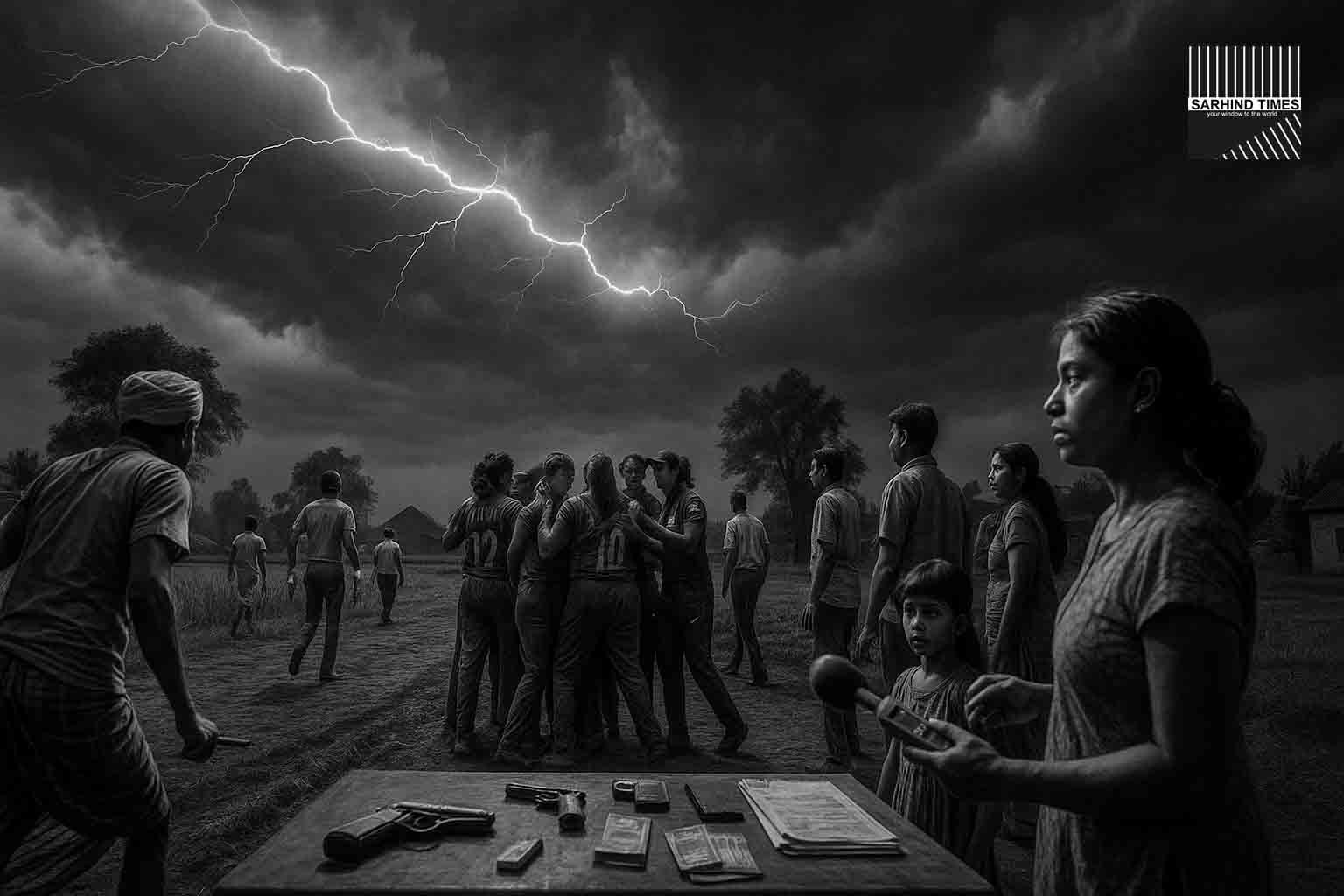
As the southwest monsoon begins its retreat from India, the India Meteorological Department (IMD) has issued a thunderstorm-and-lightning alert for parts of South Bihar, highlighting the dangers of unstable weather patterns during this transitional phase. Districts including Buxar, Bhojpur, Rohtas, Kaimur, Aurangabad, Arwal, Patna, and Gaya are under special watch, with an orange alert in effect for certain northern pockets.
The IMD’s advisory underlines the need for vigilance, urging citizens to secure loose objects, avoid sheltering under trees during storms, and stay updated through local weather bulletins.
This article examines the science behind the alert, the specific risks to residents, the historical patterns of monsoon withdrawal, and the broader implications of climate variability on Bihar’s agrarian economy.
Why the Alert Was Issued
Meteorologists say the current instability is caused by westerly-easterly wind interactions, a phenomenon common during monsoon withdrawal phases. These interactions often lead to:
- Sudden thunderstorms.
- Localized heavy rainfall.
- Dangerous lightning strikes.
- Gusty winds capable of uprooting trees and damaging weak infrastructure.
Data Snapshot
- Rainfall: Over the last 24 hours, more than 20 districts in Bihar recorded excess rainfall, with Raghunathpur (Siwan) topping the charts.
- Temperature: Daytime highs are expected in the 32–34°C range, with moderate relief at night.
- Duration: The unstable weather may persist for 2–3 days, followed by a lull before resuming late-September withdrawal behavior.
Understanding the Orange Alert
IMD color-codes alerts to communicate urgency:
- Green: No action needed.
- Yellow: Be aware.
- Orange: Be prepared.
- Red: Take action (severe events).
An orange alert is significant—it signals heightened risk, urging citizens and local authorities to be proactive in safety measures.
Risks for Residents
Thunderstorms and lightning are not merely atmospheric spectacles—they pose direct threats to life and livelihood.
- Lightning Strikes: Bihar has historically recorded high fatalities due to lightning, often in rural areas where people work in open fields.
- Infrastructure Damage: Gusty winds can bring down power lines, trees, and weak structures.
- Agriculture: Standing crops like paddy may suffer damage from sudden downpours or hail.
Lessons from Past Incidents
In previous years, Bihar has reported dozens of casualties annually from lightning strikes during monsoon transitions. Government schemes like lightning alert SMS services have reduced risks but gaps remain in rural awareness.
Climate Change Connection
Experts note that climate variability is intensifying transitional phases:
- More erratic rainfall.
- Longer withdrawal periods.
- Increased frequency of thunderstorms.
For Bihar, a state heavily dependent on agriculture, these shifts carry profound consequences.
Government & Citizen Advisory
Authorities recommend:
- Avoiding outdoor activity during thundercloud buildup.
- Staying away from tall trees and open fields.
- Unplugging electrical appliances to avoid surges.
- Farmers to delay fieldwork until advisories lift.
Agrarian Concerns
September is critical for paddy farmers. While moderate rains can benefit crops, excessive or uneven rainfall can cause waterlogging, threatening yields. The IMD alert thus has a direct bearing on rural livelihoods.
Technology & Forecasting
Bihar has adopted:
- Lightning detection apps.
- SMS alert services.
- District disaster control rooms.
The challenge is to expand awareness in rural areas where digital penetration remains limited.
Voices from the Ground
- Farmer in Gaya: “We worry about both rain and lightning. One day of excess can ruin our crop.”
- Resident in Patna: “Storms cause frequent power cuts. We need better urban preparedness.”
- IMD Official: “This is a normal monsoon transition but vigilance is critical.”
Looking Ahead
With monsoon withdrawal underway, weather scientists expect sporadic thunderstorm activity until early October. Citizens must treat alerts seriously and practice safety until conditions stabilize.
Conclusion
The IMD’s orange alert is not just a forecast—it is a call to prepare and protect lives, crops, and infrastructure. For Bihar, the retreating monsoon is always a double-edged sword: a sign of seasonal change but also a reminder of vulnerabilities in a state where climate and livelihood are deeply intertwined.
#IMD #Bihar #Weather #Thunderstorm #Lightning #Monsoon2025 #Safety #ClimateChange


+ There are no comments
Add yours