
Scientists begin genome analysis as early symptoms resemble viral pneumonia; advisory issued for vulnerable groups
Dateline: New Delhi | 29 November 2025
Summary: A newly detected respiratory illness is spreading across several Indian states, prompting increased surveillance and emergency advisories. Hospitals report a rise in admissions with pneumonia-like symptoms, especially among children and the elderly. The Health Ministry has initiated rapid genomic studies to identify the pathogen.
Unusual Spike Raises Concern
India’s healthcare system is on heightened alert after hospitals in Delhi, Maharashtra, Karnataka, Rajasthan, and West Bengal reported a sudden spike in patients exhibiting acute respiratory symptoms. The unusual surge, described as “faster than normal seasonal trends,” has raised concerns among medical experts and public health authorities.
The Ministry of Health confirmed that preliminary analyses point to a viral infection with pneumonia-like characteristics. Although no link has been drawn to previously known dangerous strains, the ministry has urged caution, especially for vulnerable groups.
Symptoms and Clinical Patterns
Doctors report that infected individuals commonly present with:
- High fever lasting several days
- Severe cough and chest congestion
- Difficulty breathing
- Body ache and fatigue
- Low oxygen saturation in severe cases
A significant number of children admitted to pediatric wards have displayed fast-spreading bronchial inflammation. Adults with chronic illnesses are also experiencing more severe complications.
Genome Sequencing Underway
The Indian Council of Medical Research (ICMR) and top virology labs have started expedited genome sequencing to determine whether the virus is a mutation of an existing respiratory strain or a new pathogen altogether.
Samples from hospitals in Delhi, Mumbai, Jaipur, and Kolkata are being processed. Scientists expect preliminary sequencing results within a week. “We need to know if this is a drift, a shift, or an entirely new lineage,” a senior virologist stated.
Hospitals Increase Bed Capacity
Several hospitals in Delhi, Gurugram, and Mumbai have expanded their isolation wards as OPDs overflow with respiratory cases. ICU occupancy has also increased, particularly in tertiary-care centers. Doctors say the trend is concerning, even if not yet categorized as an emergency-level outbreak.
Nurses report longer shifts due to rising patient loads, while hospital administrators are reviewing contingency plans in case the trend accelerates further.
Seasonal Pollution Worsening Symptoms
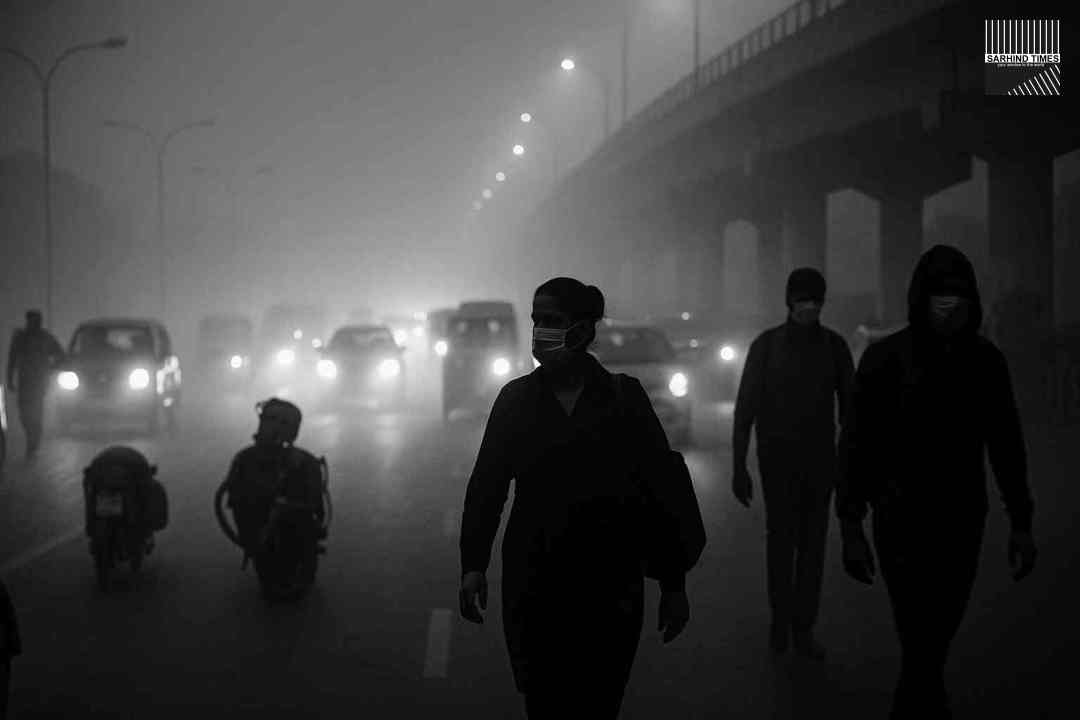
Experts believe that winter pollution in northern India may be aggravating the spread and severity of the illness. High levels of PM2.5 particulates weaken respiratory functions, making individuals more susceptible to infections.
“Polluted air increases inflammation in the lungs, creating a perfect environment for respiratory viruses to multiply,” a pulmonologist explained.
Schools and Workplaces on Alert
Several schools in Delhi-NCR and Bengaluru have issued advisories urging parents to avoid sending children with symptoms. Some institutions are considering reducing outdoor activities or temporarily switching to hybrid attendance if the situation worsens.
Corporates have reinstated optional work-from-home policies for employees reporting respiratory discomfort.
Rural Impact Begins to Surface
While urban hospitals are bearing the brunt initially, smaller clinics in rural districts of Rajasthan and Uttar Pradesh have now reported clusters of cases. Limited medical infrastructure in these regions makes the spread particularly concerning for health authorities.
Mobile medical units may be deployed if state health departments request emergency support.
Government Advisory: Precaution Is Critical
The Health Ministry has issued a nationwide advisory recommending the following measures:
- Wear masks in crowded indoor spaces
- Avoid exposure to polluted air during peak smog hours
- Maintain hand hygiene
- Seek early medical evaluation for persistent fever or breathing difficulty
- Keep children and elderly individuals indoors during peak infection hours
Officials emphasized that people should avoid self-medication and consult certified physicians instead.
No Travel Restrictions Yet, But Monitoring Intensifies
While the situation is under close watch, the government has not imposed any travel restrictions. However, health counters at airports in Delhi and Mumbai have stepped up passive screening of passengers with visible symptoms.
Long-distance train stations have also been asked to maintain cleanliness and ventilation.
Experts Discuss Possible Scenarios
Epidemiologists outline three potential trajectories:
- Short-term spike due to seasonal patterns, expected to decline within weeks.
- Viral drift expansion — a mutated version of a known virus spreading quicker than anticipated.
- Emergence of a new virus requiring long-term surveillance, vaccination strategies, and global cooperation.
Experts caution against panic, stating that India now has significantly stronger surveillance and genomic mapping systems than in previous years.
Pharmacies Report Surge in Demand
Retail pharmacies in metropolitan areas reported rising sales of cough syrups, paracetamol, steam inhalation devices, and pulse oximeters. Some cities experienced temporary shortages of pediatric nebulisation solutions due to sudden demand.
The Health Ministry is coordinating with manufacturers to ensure sustainable supply of essential medicines.
Public Response: Concern but Not Panic
Among the public, concern is rising, especially among parents and caregivers. While many are cautiously monitoring updates, doctors insist that following basic precautions can significantly reduce risk.
The absence of major panic buying or crowding at hospitals indicates that public awareness is stronger and more measured compared to similar episodes in the past.
Conclusion: Monitoring Continues as India Prepares for All Scenarios
The spread of this new respiratory illness marks an important moment for India’s health surveillance system. While the situation is not yet categorized as a crisis, the rise in cases demands caution, preparedness, and rapid scientific analysis. Authorities will release additional updates once genome sequencing identifies the nature of the virus.
For now, the nation waits as scientists, doctors, and public health officials work together to understand and contain the outbreak.


+ There are no comments
Add yours