
Diplomats warn the world is inching toward a dangerous tipping point as cross-border clashes, collapsing humanitarian corridors, and stalled ceasefire negotiations trigger urgent international intervention.
Dateline: New York | 28 November 2025
Summary: The United Nations Security Council convened an emergency late-night session following a rapid escalation of hostilities in the Middle East. With civilian casualties rising, humanitarian operations disrupted, and ceasefire channels breaking down, the global community faces one of the most complex diplomatic challenges of the decade.
The Emergency Session That Redefined Global Concerns
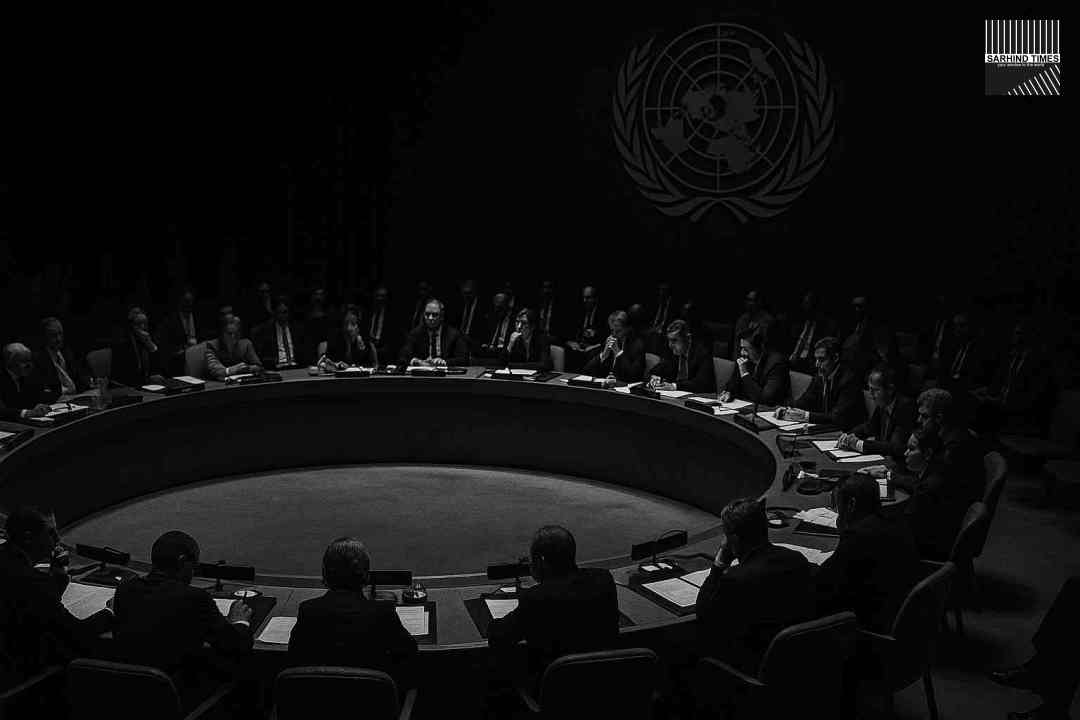
As the clock neared midnight in New York, diplomats from around the world filed into the iconic UN Security Council chamber. The atmosphere was charged with urgency as delegates prepared for an emergency meeting requested by multiple member states following a sudden and intense flare-up of violence in the Middle East. The crisis, which had worsened significantly in the past 72 hours, triggered immediate calls for intervention, mediation, and humanitarian protections.
The President of the Security Council opened the session with a stark message: “The world stands on the brink of a wider regional escalation. We meet not out of option but necessity.” Within minutes, the council chamber saw a flurry of statements, accusations, calls for restraint, and appeals for civilian safety.
The latest surge in violence has not only deepened the suffering on the ground but also strained global diplomatic alliances. Nations aligned along familiar fault lines, while others attempted to position themselves as neutral mediators in a conflict that now risks spiraling into a broader geopolitical confrontation.
What Triggered the Latest Escalation?
According to diplomats familiar with the intelligence briefings circulated among council members, the escalation was triggered by simultaneous cross-border strikes between two rival factions that have long shared a volatile frontier. These were not isolated incidents but coordinated offensives that hit civilian areas, critical infrastructure, and supply routes.
Two major incidents stood out:
- A series of overnight missile exchanges that hit residential neighborhoods and damaged communication towers.
- The collapse of a critical humanitarian corridor after armed clashes forced aid convoys to turn back, leaving thousands without access to medical supplies and food.
Both sides accused each other of initiating the aggression, and both denied responsibility for civilian casualties. The ambiguity has complicated international responses, with satellite imagery and intelligence assessments offering inconclusive clarity due to overlapping timelines and deliberate signal obfuscation used during the attacks.
Humanitarian Operations at Breaking Point
One of the most disturbing developments is the near-total collapse of humanitarian assistance in several affected regions. Aid agencies reported severe disruptions as convoys were caught in active combat zones or blocked at checkpoints controlled by armed militias. Communications with field teams have been intermittent due to damage to local telecom infrastructure.
A senior humanitarian coordinator briefed the council, saying, “We are witnessing a worst-case scenario — densely populated areas cut off, medical systems overwhelmed, and aid workers unable to reach the injured. This is not a crisis waiting to happen. It is a crisis unfolding in real time.”
Hospitals in multiple towns are said to be operating beyond capacity, with doctors performing surgeries without adequate anesthesia or electricity. Reports also indicate shortages of clean water, raising fears of outbreaks of water-borne diseases.
Several nations urged the establishment of a temporary ceasefire strictly limited to humanitarian access. However, discussions have stalled, with political and military leaders of both factions unwilling to commit without broader concessions.
Diplomatic Deadlock: Old Divides, New Pressures
The Security Council session once again revealed persistent geopolitical divides. Western nations called for a firm condemnation of the initial provocations, insisting that the aggressor must be held accountable for violating international norms. Meanwhile, other global powers emphasized the need for “balanced language,” arguing that both sides shared responsibility and that unilateral condemnation would harm future negotiations.
These divides are not new — they echo longstanding differences in how major powers interpret sovereignty, military retaliation, and proportionality. Yet the stakes today are higher, as intelligence reports warn of potential involvement of third-party militias and the risk of the conflict spilling across additional borders.
A veteran diplomat familiar with the region described the situation bluntly: “Everyone knows what needs to be said, but no one wants to say it first. The fear is that one wrong phrase in a resolution could shatter alliances or embolden actors on the ground.”
Inside the Closed-Door Negotiations
Following the public addresses, the Council entered a closed-door consultation session that lasted nearly three hours. Sources inside the meeting room described intense negotiations, with at least three nations proposing alternative drafts of a resolution. The central points of contention included:
- Whether the resolution should name the faction believed to have launched the first strike.
- Whether humanitarian corridors should be established without preconditions.
- Whether international observers should be deployed near the border areas.
- Whether sanctions should be considered if ceasefire agreements fail.
Despite the heated debates, diplomats emerged cautiously optimistic that a compromise text could be finalized within the next 24 hours. Even so, many acknowledged that any resolution would serve as a temporary measure at best unless the warring factions commit to genuine dialogue.
Regional Reactions: Shock, Anger, and Mobilization
Governments across the Middle East issued a flurry of statements condemning the violence and urging restraint. Several countries placed their border security forces on high alert, anticipating potential refugee flows or spillover clashes.
Economic concerns surfaced as well. Energy markets reacted immediately, with crude prices rising sharply over fears of supply disruptions. Regional stock markets showed significant volatility, reflecting investor anxiety about prolonged instability.
Diplomatic channels have been working overtime, with regional leaders engaging in shuttle diplomacy to prevent the conflict from widening. Some nations have offered to host peace talks, though both factions remain deeply distrustful of each other’s intentions.
The Pattern of Breakdown in Ceasefire Negotiations
This is not the first time ceasefire negotiations have collapsed in the region, but analysts say the speed of the latest breakdown is alarming. Previous rounds of peace talks have failed due to disagreements on border demarcations, control of strategic checkpoints, and access to water resources. This time, however, the distrust seems deeper.
Sources involved in past negotiations highlighted that both factions have been rearming in recent months. Intelligence analyses suggest that each side believed it had a tactical edge and sought to exploit it before the other gained strategic advantage.
“It’s a dangerous gamble,” one analyst noted. “The belief that short bursts of conflict can yield long-term political gain has repeatedly proven false.”
Warnings of a Wider Regional Conflict
Multiple intelligence agencies have warned that proxy groups aligned with larger regional powers may view the current conflict as an opportunity to expand their influence. These groups often operate independently, making it difficult for governments to control them even if they want to de-escalate.
Cross-border militias have previously used similar crises to open new fronts, launch opportunistic attacks, or seize disputed territory. The concern is that such actors could ignite a chain reaction, drawing neighboring states — willingly or unwillingly — into the confrontation.
The UN Secretary-General, in an earlier statement, cautioned: “History has taught us repeatedly that local conflicts, when ignored, can mutate into regional catastrophes.”
The Voice of Civilians: Fear, Displacement, and Uncertainty
Civilians trapped in the conflict zones are facing growing desperation. Thousands have fled to temporary shelters near safer borders, carrying only essential belongings. Local communities are struggling to provide food and water to the displaced, and overcrowded shelters risk creating secondary crises.
Residents report continuous artillery fire, drone surveillance, and widespread fear. Schools have been closed indefinitely, businesses shuttered, and public transport disrupted. Parents fear sending children outside even during limited ceasefire windows.
A teacher from one of the affected border towns described the situation simply: “Every hour feels unpredictable. We live minute to minute, hoping the next explosion is not near our home.”
The Global Economy Feels the Ripple Effects
Even beyond the immediate region, the conflict is exerting noticeable pressure on world markets. Crude oil prices have risen, shipping routes are recalculating costs due to increased risk premiums, and insurers are revising coverage for vessels operating near affected waters.
Energy-dependent industries in Asia and Europe fear supply disruptions, and global inflation concerns are resurfacing as commodity markets react to instability. Investors are showing greater preference for safe-haven assets, leading to fluctuations in currency markets.
Economists warn that if the conflict extends beyond a few weeks, supply chains could experience sustained disruptions, affecting everything from food imports to electronics manufacturing.
Proposals on the Table: What the World Wants to Happen Next
Several proposals circulated during the Security Council session reflect the international community’s attempt to stabilize the situation. These include:
- A 48-hour humanitarian ceasefire monitored by international observers.
- Reopening of key humanitarian corridors under UN supervision.
- Deployment of an emergency diplomatic mission to initiate direct dialogue between both factions.
- A joint investigation committee to establish responsibility for the initial strikes.
- Targeted sanctions against individuals or groups found undermining ceasefire commitments.
While most nations support humanitarian access, they remain divided over sanctions and political accountability. The challenge is agreeing on measures that prevent escalation without undermining the sovereignty concerns of regional actors.
The Roadblocks to Immediate Peace
Despite the proposals, several major obstacles stand in the way of a quick resolution. The biggest challenge is the mutual distrust between the factions. Neither side believes the other will honor ceasefire commitments without international pressure, yet both reject foreign interference in domestic affairs.
Another challenge is internal politics. Leadership within both factions faces pressure from hardline groups advocating continued fighting to strengthen negotiating positions. Any attempt to compromise risks backlash from these internal constituencies.
Moreover, with multiple regional players having strategic interests in the area, external influences make it difficult to maintain neutrality in peace talks.
What Happens If the Crisis Continues?
If hostilities persist, experts fear several consequences:
- Wider regional destabilization as militias and border groups exploit the vacuum.
- Mass displacement creating a humanitarian crisis spilling into neighboring countries.
- Economic shocks affecting global supply chains, energy prices, and trade flows.
- Increased civilian casualties with hospitals and infrastructure under strain.
- Prolonged UN deadlock undermining faith in international diplomacy.
Some analysts argue that this could become one of the defining geopolitical crises of the decade if intervention is delayed.
Is There Hope for De-escalation?
Despite the grim outlook, there are small signs of hope. Reports indicate that back-channel negotiators from both factions have been in limited contact through regional intermediaries. These talks, though informal, may lay the groundwork for a temporary truce.
International pressure is mounting, and both factions face growing criticism from their own civilian populations, who are bearing the brunt of the conflict. Public sentiment could eventually tip internal politics toward negotiation rather than escalation.
The UN’s involvement may also encourage neutral parties to step in as mediators, potentially resetting the stalled dialogue.
The World Watches — Anxiously
As dawn approaches in the conflict zone and the Security Council finalizes its next steps, the world watches nervously. Global leaders understand that the decisions made in the next few days could shape regional stability for years to come.
The crisis is a reminder of how fragile peace can be and how quickly longstanding tensions can ignite—even with robust diplomatic frameworks in place. The true test now lies in the willingness of global powers to rise above political divides and act collectively.
The coming hours will be decisive. Whether the world edges closer to peace or slides deeper into crisis depends on diplomacy, restraint, and the ability of leaders to choose negotiation over confrontation.



+ There are no comments
Add yours