
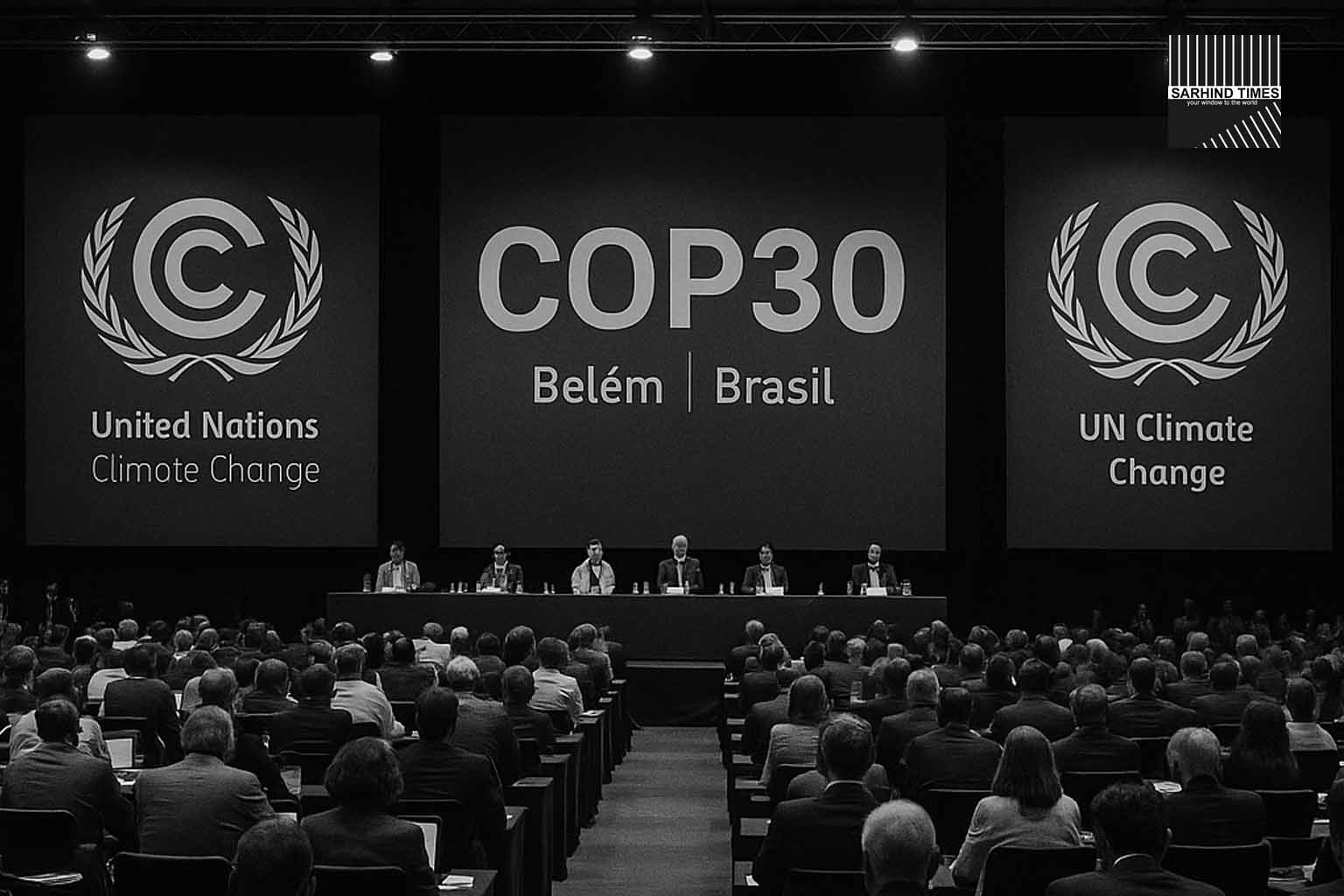
Summit in Belém, Brazil delivers biggest climate finance expansion in a decade; developing nations call it a “turning point,” while experts warn that implementation will define success
Dateline: Belém | 23 November 2025
Summary: In a major diplomatic breakthrough, world leaders at COP30 adopted a sweeping new climate agreement focused on tripling global climate finance, accelerating methane-emission cuts, protecting major forests, and supporting vulnerable nations facing climate-induced loss and damage. The pact—negotiated after intense 48-hour discussions—marks the first time nations have committed to binding methane-reduction timelines and multi-year financing guarantees. While celebrations erupted across the summit floor, climate scientists urge rapid execution to avoid irreversible planetary damage.
The Most Consequential Climate Deal Since Paris
Delegates from nearly 200 nations approved what many have called the most ambitious climate package since the 2015 Paris Agreement. After two weeks of negotiations—and a dramatic final stretch that extended into early morning hours—COP30 delivered a pact centred on climate finance, methane reduction, forest protection, and climate justice.
Leaders praised the host nation Brazil for steering difficult negotiations, particularly those involving funding responsibilities between developed and developing economies.
Core Elements of the COP30 Pact
The final document includes four major pillars:
- Climate Finance: Minimum USD 300 billion annually by 2030 for mitigation and adaptation.
- Methane Cuts: Binding commitment to reduce methane emissions 45% by 2035.
- Forest Protection: Joint roadmap for preserving Amazon, Congo Basin, and Southeast Asian forests.
- Loss & Damage Fund: Multi-year replenishment mechanism for disaster-hit vulnerable nations.
Experts say this package could reshape global climate spending and accelerate low-carbon transitions across continents.
Climate Finance Tripled: A Historic First
For the first time, developed nations agreed to tripling climate finance commitments, resolving one of the longest-standing disputes in UN climate negotiations. Countries pledged support for renewable energy projects, coastal defences, early-warning systems, and climate-resilient agriculture.
A joint communiqué said the move recognises “the increasing severity of global climate impacts and the widening adaptation gap.”
Methane Reduction Pact Breaks New Ground
The methane agreement is being hailed as a turning point. Methane is responsible for roughly one-third of current global warming, yet has long lacked binding regulation. Under the COP30 pact:
- Countries must monitor methane using satellite systems.
- Oil and gas producers must reduce flaring and leaks.
- Agriculture-heavy economies get financial assistance for methane-cutting technologies.
Climate scientists applauded the decision, calling methane the “fastest lever” to slow near-term warming.
Amazon, Congo Basin & Southeast Asia: Forest Nations Form Unified Front
In a rare moment of international solidarity, nations sharing major rainforest belts presented a unified forest-protection plan. Leaders emphasised that forests are essential carbon sinks and biodiversity reservoirs.
The roadmap includes:
- Zero-deforestation pledge by 2035
- Expanded protected sanctuaries across forest regions
- Incentives for indigenous stewardship
- Global funding for forest-dependent communities
The plan is considered one of the strongest collective commitments on forest conservation in decades.
Loss & Damage Fund Gets Long-Term Guarantees
Vulnerable nations welcomed a significant breakthrough—multi-year financing for loss and damage. The fund, which supports countries devastated by floods, cyclones, droughts, and rising sea levels, had previously been hindered by unpredictable annual contributions.
The COP30 agreement establishes:
- Minimum five-year financing cycles
- Dedicated funding for small island states
- Fast-track disbursal during climate disasters
Leaders from the Pacific Islands described it as a “lifeline for disappearing nations.”
Developing Nations Express Cautious Optimism
Representatives from developing economies praised the scale of commitments but insisted the real challenge will be delivery. Many nations reiterated that developed countries must honour their promises without delays.
A senior negotiator from Africa said: “For decades we’ve heard promises. Today we have structure. But implementation will decide the fate of millions.”
Private Sector Pledges Align With Public Goals
Global corporations attending COP30 announced commitments to reduce emissions, invest in renewable energy, and innovate in green technology. Key sectors—finance, manufacturing, transport, and energy—publicly aligned with the summit’s goals.
Several multinationals pledged to:
- Use 100% renewable power by 2030
- Electrify logistics chains
- Fund methane-reduction technologies
- Shift to sustainable supply chains
Scientific Community Praises Pact but Issues Warning
Climate scientists acknowledged the significance of the agreement but warned that world governments have only a narrow window to avert catastrophic warming.
Multi-model projections show:
- Global temperatures could cross 1.7°C by mid-2030s without rapid action
- Methane cuts could slow warming significantly
- Forest conservation is vital to achieving net-zero
- Finance must reach vulnerable countries immediately
A leading climate scientist noted: “The planet congratulates us today, but consequences await if we fail tomorrow.”
Political Reactions Vary Across Continents
Political leaders offered varied responses. Many European states celebrated the finance package. South American nations emphasised justice for forest communities. Some industrialised nations expressed concern over long-term financial obligations.
Meanwhile, major Asian economies highlighted the need for technological equity and global cooperation.
Public Response Across the World
Citizen groups, environmental activists, youth organisations, and indigenous communities reacted positively to the agreement but pledged to hold governments accountable.
Street demonstrations in multiple capitals urged leaders to maintain momentum beyond summit halls.
Implementation: The Real Battle Begins
Experts argue that COP30’s success will depend on:
- Rapid mobilisation of funds
- Strict methane-emission monitoring
- Transparent tracking of forest restoration
- Enforcement mechanisms to prevent backsliding
- Equitable distribution of climate finance
Analysts add that geopolitical tensions, global inflation, and energy-security politics could influence long-term delivery.
Conclusion
COP30 has delivered a historic blueprint for global climate action—one that balances finance, science, justice, and diplomacy. As the summit concludes, optimism is tempered by urgency: the world now needs immediate, measurable implementation to match ambition. For millions living on the climate frontline, the pact represents hope. Whether it becomes reality depends on the resolve of governments, industries and societies over the next critical decade.


+ There are no comments
Add yours