
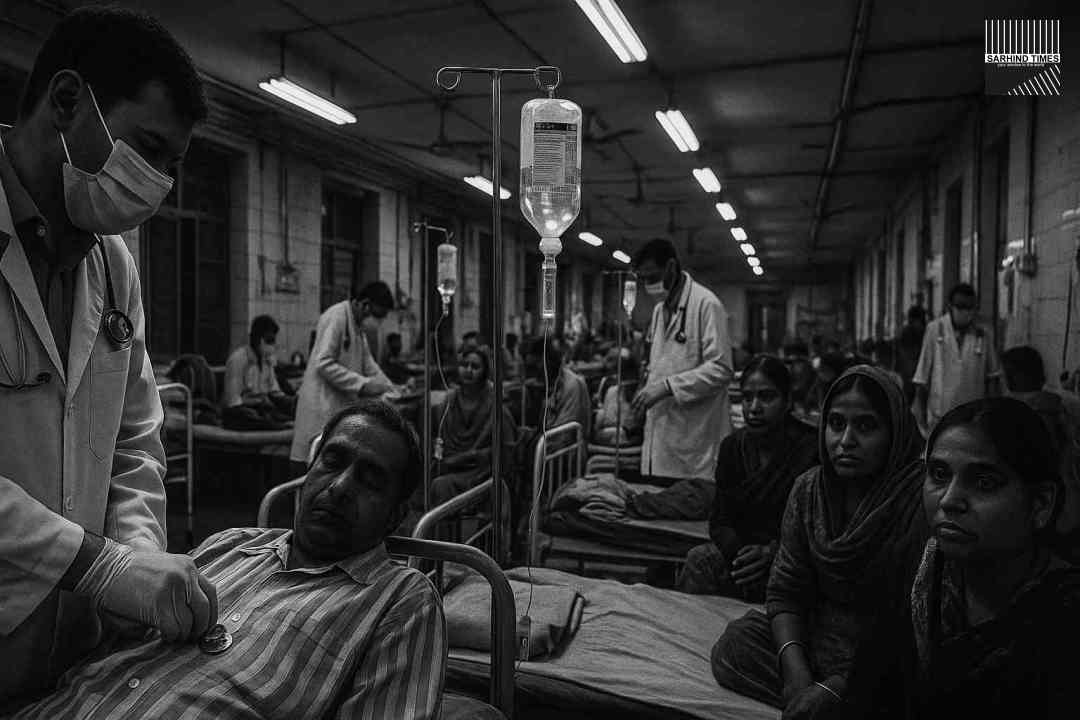
Health Ministry issues nationwide advisory as children and elderly show severe symptoms; experts warn of a possible new viral strain coinciding with winter pollution
Dateline: New Delhi | 30 November 2025
Summary: India’s healthcare system is witnessing a sudden spike in pneumonia-like respiratory infections over the last 72 hours, particularly among children and elderly patients. Hospitals in Delhi, Haryana, Uttar Pradesh, Rajasthan, and Maharashtra have reported high-fever clusters, prolonged cough cases, and oxygen saturation drops that resemble atypical viral pneumonia. The Health Ministry has issued an urgent advisory amid concerns over a potentially evolving viral strain combined with severe winter pollution.
Introduction: A Sudden Surge Alarms Health Authorities
India’s public health ecosystem has entered a heightened state of vigilance as hospitals across multiple states report a sharp rise in unusual pneumonia-like respiratory infections. Over the past 72 hours, emergency wards in several metro cities have been overwhelmed by patients presenting with high fever, persistent cough, low oxygen levels, and lung inflammation that does not match common winter flu patterns.
The Health Ministry, after reviewing early surveillance data, has issued a nationwide advisory urging states to intensify testing, expand ICU capacity, stock pediatric medicines, and activate rapid-response epidemiological teams. Doctors say the pattern resembles an evolving viral infection — one that spreads rapidly but displays varied symptoms across age groups.
Where Cases Are Rising: States Report Parallel Outbreaks
Hospitals in at least six states have reported similar clusters of cases:
- Delhi-NCR: High pediatric admissions due to breathing distress.
- Haryana: Gurugram and Faridabad hospitals reporting rising pneumonia-like infections.
- Uttar Pradesh: Noida, Ghaziabad, Lucknow, and Kanpur seeing back-to-back emergency cases.
- Maharashtra: Mumbai and Pune register a sudden spike in lung infection cases.
- Rajasthan: Jaipur hospitals struggle with respiratory cases linked to falling temperatures.
- Punjab: Increasing cases among elderly with pre-existing lung issues.
Doctors note that this is not the seasonal flu wave India usually sees around December. The symptoms, progression pattern, and oxygen fluctuations point to a more aggressive respiratory pathogen.
Symptoms: What Doctors Are Observing
The infection is presenting with a cluster of overlapping symptoms:
- High-grade fever lasting 3–5 days
- Deep, barking cough lasting over a week
- Lung inflammation visible on X-rays
- Sudden oxygen saturation dips (90–94%)
- Severe throat congestion
- Sharp chest pain on inhalation
- Prolonged fatigue and dizziness
In several hospitals, doctors have opted for precautionary oxygen support and antiviral treatments even before confirmatory tests arrive.
Children Worst Affected: Pediatric Wards Under Pressure
Over the last 72 hours, pediatric hospitals across India have seen a disproportionate rise in respiratory distress cases. Doctors attribute this to a combination of weak immunity post-Dengue season, Delhi-NCR smog exposure, and a fast-spreading viral infection.
Children aged 3–12 are showing:
- Persistent coughs lasting 10 days or more
- High fever resistant to initial medication
- Crackling sounds in chest due to mucus-filled lungs
- Occasional wheezing and rapid breathing
Parents are reporting sleepless nights as children struggle with continuous coughing fits. Pediatricians say early hospital visits can prevent severe lung damage.
Elderly and Immunocompromised at High Risk
The elderly, especially those with chronic obstructive pulmonary disease (COPD), heart conditions, diabetes, or prior COVID-related lung impairment, are facing severe symptoms. Hospital data reveals a jump in ICU admissions of elderly patients unable to maintain oxygen levels.
Cases of double pneumonia — where both lungs are inflamed — are rising significantly.
Is This a New Viral Strain? Experts Are Investigating
India’s top virologists from NIV Pune, AIIMS Delhi, and DBT labs have begun genomic sequencing of samples collected over the past three days. Preliminary findings indicate the possibility of an evolved respiratory virus, but clarity will emerge after sequencing results.
Experts also highlight the possibility of a recombinant strain — a virus formed through the merging of two pathogens.
Severe Pollution Making the Outbreak Worse
The outbreak coincides with one of the worst pollution phases in North India. Delhi’s AQI has been oscillating between 480–650, exposing millions to hazardous air. Polluted air weakens respiratory lining, making the body more susceptible to viral infections.
Doctors warn that pollution is amplifying symptoms, especially among children and asthma patients.
Hospitals Overcrowded: Fever Clinics Reopened
To handle the surge, many hospitals have reopened fever clinics established during the COVID era. Several private hospitals in Delhi-NCR and Mumbai have diverted additional staff to respiratory wards. Some government hospitals reported bed shortages over the past two days, especially in the pediatric and pulmonary departments.
Diagnostic Confusion: Flu, RSV, COVID or Something Else?
The current infection shares overlapping symptoms with multiple known illnesses:
- Seasonal influenza
- Respiratory Syncytial Virus (RSV)
- Atypical bacterial pneumonia
- Post-COVID pulmonary infection
Doctors are struggling to determine precise diagnosis without advanced tests, highlighting an urgent need for improved differential diagnostics.
Testing Labs Under Strain
Pathology labs in Delhi, Mumbai, and Jaipur report a sharp rise in RT-PCR, RSV, and chest X-ray demands. Some labs have extended working hours to accommodate increased sample loads.
Government Issues Advisory: Key Directives
The Health Ministry’s urgent advisory issued this morning includes:
- Mandatory fever and cough screening at all district hospitals
- Activation of state rapid-response teams
- Emergency pediatric ICU readiness
- Genomic sequencing for all unexplained pneumonia cases
- Distributed oxygen supply audits in major cities
- Public advisory to avoid outdoor activity in high-pollution zones
Mask Usage Back in Focus
Health authorities are urging citizens to use N95 masks, especially in NCR, Mumbai, Lucknow, and Jaipur. Cloth masks are ineffective against PM2.5 and viral aerosols combined.
Economic Impact Begins to Show
Companies in NCR have started reintroducing hybrid work. Factory production units in pollution-heavy zones report absenteeism as workers fall ill. Schools may reconsider winter timings if the outbreak worsens.
Experts Warn This Wave May Last 4–6 Weeks
Epidemiologists predict the outbreak may peak in late December if weather and pollution conditions remain stagnant. They warn that the combination of cold air, viral spread, and hazardous smog is creating “a dangerous respiratory trap.”
Public Reaction: Anxiety and Precaution
Pharmacies report massive demand for cough syrups, steam inhalers, masks, and nebulizers. Many households have begun using air purifiers around the clock. Schools are receiving parental requests for online classes.
Conclusion: A Nation Braces for a Difficult Winter
India faces a troubling convergence of environmental and biological threats. The rise of a pneumonia-like viral infection during peak pollution season has placed millions at risk. With hospitals overwhelmed, experts emphasize early medical attention, strong immunity, and strict pollution precautions.
The next few weeks will decide whether the outbreak stabilizes or grows into a significant public health challenge.


+ There are no comments
Add yours