

Health Ministry issues nationwide advisory as H3N2 and viral respiratory infections spike; doctors warn of worsening symptoms due to air pollution
Dateline: New Delhi | 30 November 2025
Summary: A sudden rise in influenza-like illnesses across major Indian cities over the last 72 hours has triggered overcrowding in hospitals and fever clinics. The Health Ministry has issued an urgent advisory amid increasing cases of H3N2 and severe viral respiratory infections, linking pollution levels to aggravated symptoms.
Introduction: A Nationwide Upswing in Viral Illnesses
India is witnessing a sharp increase in influenza-like illnesses (ILI) as metropolitan hospitals report a rapid influx of patients suffering from persistent fever, cough, sore throat, and severe respiratory complications. The trend, observed over the last three days, has caused significant concern among public health officials already grappling with seasonal pollution spikes and post-festival air quality deterioration. The Health Ministry, after reviewing real-time surveillance data from multiple states, issued a nationwide advisory urging citizens to seek early treatment, avoid self-medication, and adhere to preventive measures.
The latest surveillance reports indicate a noticeable jump in H3N2 influenza cases, alongside a parallel rise in rhinovirus, adenovirus, and respiratory syncytial virus (RSV) infections. The spike has been most pronounced in Delhi-NCR, Mumbai, Bengaluru, Kolkata, and Hyderabad — cities where pollution levels have breached hazardous levels repeatedly throughout November.
Hospitals Overwhelmed: Fever Wards and OPDs Struggle to Cope
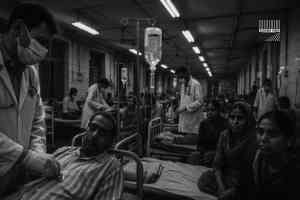
Hospital administrations across major cities have reported increasing pressure on outpatient departments, fever clinics, and emergency rooms. In some facilities, doctors are seeing more than twice the usual number of seasonal flu patients, creating operational bottlenecks. Triage teams are prioritizing high-risk groups — elderly individuals, pregnant women, children, and patients with pre-existing respiratory conditions.
A senior pulmonologist at a large government hospital in Delhi confirmed that ICU admissions linked to respiratory distress have risen by nearly 18% in the last week. While most patients exhibit moderate symptoms, delays in diagnosis and treatment have resulted in complications such as viral pneumonia and acute bronchitis, particularly among vulnerable groups.
H3N2 Dominates This Season: Why This Strain Matters
The current wave of illnesses is largely attributed to the H3N2 subtype of the influenza A virus, historically known for causing severe symptoms and longer recovery periods. Medical experts note that H3N2 often leads to higher hospitalization rates than other influenza strains, especially when combined with co-morbidities like asthma, COPD, diabetes, and cardiac disorders.
The National Centre for Disease Control (NCDC) confirmed that over 40% of samples collected from sentinel sites tested positive for H3N2. However, the agency clarified that no concerning mutations have been detected so far. Public health authorities are nonetheless monitoring genomic patterns closely to preempt potential shifts.
Pollution Worsens Symptoms: A Dangerous Winter Combination
Doctors across Delhi-NCR and other polluted metropolitan areas have reported that poor air quality is exacerbating symptoms in influenza patients. Pollutants such as PM2.5 and PM10 inflame respiratory pathways, reduce immunity, and heighten susceptibility to viral transmission. As a result, patients who would typically recover within a week are experiencing prolonged fevers, persistent coughs, and breathlessness lasting up to two weeks.
Environmental health specialists warn that pollution-driven inflammation significantly increases the risk of secondary bacterial infections. This complicates the clinical management of respiratory illnesses and places additional strain on healthcare infrastructure.
Rural Cases Rising Too: Not Just an Urban Crisis
Although urban centers are experiencing the most immediate pressure, several states have reported an uptick in rural influenza clusters. Health officers in Uttar Pradesh, Bihar, Rajasthan, and Madhya Pradesh reported increases in community-level outbreaks, especially in areas where cold waves arrived earlier than usual.
Mobile health units are being deployed to remote districts to conduct screenings, provide basic treatment, and distribute antiviral medications where needed. Rural health systems, already thinly staffed, are struggling to cope with rising caseloads amid limited diagnostic facilities.
School Absenteeism Soars: Students Hit Hardest
Schools across Delhi, Lucknow, Pune, and Chennai have seen a rise in absenteeism as children remain one of the most affected groups this season. While the Health Ministry has not recommended closures, several institutions have shifted back to hybrid learning for affected classes or temporarily suspended morning assemblies and sports activities.
Pediatricians emphasize that children, especially those under five, are at increased risk of complications due to underdeveloped immunity and frequent exposure in shared school environments.
Self-Medication and Antibiotic Misuse: A Growing Danger
Doctors have raised alarms over rampant self-medication, particularly the misuse of antibiotics. As influenza is a viral illness, antibiotics have no role in treatment unless secondary bacterial infections are confirmed. The indiscriminate use of antibiotics is accelerating antimicrobial resistance (AMR), which experts warn is becoming an urgent public health crisis in India.
The Indian Medical Association has urged pharmacies to enforce prescription-only sales of antibiotics to prevent misuse during the current surge.
Health Ministry Advisory: What Citizens Must Do
The Health Ministry’s latest advisory emphasizes preventive measures such as wearing masks in crowded spaces, maintaining hand hygiene, staying hydrated, and isolating when symptomatic. It recommends influenza vaccination for high-risk groups and advises individuals experiencing breathlessness or prolonged fever to seek medical attention promptly.
Authorities have also instructed state governments to activate district-level surveillance teams, increase hospital bed availability, and ensure uninterrupted supply of essential drugs.
Vaccination Coverage Remains Low: A Missed Opportunity
India’s annual flu vaccination rates remain significantly below global averages, particularly among adults. Healthcare workers say misconceptions about influenza vaccines, lack of awareness, and the absence of routine adult immunization programs contribute to low uptake.
Experts insist that widespread adult vaccination could substantially reduce hospitalizations, especially during high-pollution months. They recommend workplace vaccination drives and subsidized vaccine rates to improve adoption.
Economic Impact: Workforce Productivity Declines
Corporates across IT, retail, banking, hospitality, and manufacturing sectors report increased sick leave requests. Several companies have reinstated flexible work-from-home options as employees struggle with prolonged respiratory symptoms.
Economists caution that if the current trend continues into December, workforce productivity may dip significantly, potentially affecting quarterly output in key service-sector industries.
Testing and Treatment: What Hospitals Are Prioritizing
Many hospitals have streamlined diagnostic protocols to differentiate between influenza, RSV, COVID variants, and other respiratory infections. Rapid antigen tests, RT-PCR panels, and chest imaging are being used selectively for high-risk or severe cases.
Treatment remains supportive, focusing on antipyretics, hydration, antivirals (when indicated), and respiratory therapy for severe cases. Doctors advise that early intervention prevents most complications.
Is COVID Playing a Role? Experts Say “Minimal But Present”
COVID-19 cases remain low nationwide, but experts note a marginal increase in mild infections in urban clusters. While these numbers are not alarming, co-infections involving influenza and COVID have been detected in isolated cases. Co-infected patients tend to experience more severe respiratory symptoms and require closer monitoring.
State-Level Response: A Patchwork of Measures
Several states have begun implementing preemptive measures to manage rising caseloads. Maharashtra has issued district-level alerts, Karnataka has opened additional fever helplines, and Delhi has expanded community health clinics. Kerala has launched a door-to-door awareness campaign focusing on recognizing early symptoms and avoiding self-medication.
Looking Ahead: What Experts Predict for December
Public health experts anticipate that influenza cases will continue rising over the next three weeks, coinciding with winter intensification and persistent pollution episodes. While the situation is manageable for now, they warn that delayed interventions or overcrowding in hospitals could exacerbate the crisis.
The next 10–15 days will be critical in determining whether the current surge peaks early or continues into January.
Conclusion: India Faces a Challenging Winter Health Wave
As influenza and respiratory infections surge, India faces a difficult balancing act — managing public health risks while maintaining economic and social activity. The coming weeks will test the resilience of healthcare infrastructure, the effectiveness of public advisories, and the willingness of citizens to adopt preventive behavior.
With pollution, cold weather, and viral infections converging, India’s healthcare system must remain vigilant, adaptive, and well-coordinated to navigate the season safely.


+ There are no comments
Add yours