

World powers scramble for a last-minute ceasefire deal as humanitarian corridors collapse and regional actors mobilise forces
Dateline: New Delhi | 30 November 2025
Summary: A sharp escalation across the Middle East over the last 72 hours has triggered intense diplomatic activity across major capitals. The United Nations, European bloc, and multiple Asian powers are pushing for an urgent ceasefire as civilian displacement crosses alarming thresholds and supply corridors collapse under mounting security threats.
Introduction: A Region on Edge
The Middle East, a region historically marked by strategic rivalries, shifting alliances, and recurring cycles of violence, has once again entered a phase of deep uncertainty. The past seventy-two hours have seen a dramatic deterioration in security and humanitarian conditions, prompting world powers to mount a rapid diplomatic intervention. Reports indicate significant troop mobilisations, border alert escalations, disrupted communication lines, and an alarming increase in civilian displacement. What began as a localized flare-up has now evolved into a multi-layered regional emergency attracting global scrutiny.
Humanitarian Corridors Collapse Amid Intensifying Ground Activity
Humanitarian agencies operating in the conflict-affected zones confirmed that multiple aid corridors—previously negotiated between warring groups—have effectively collapsed. Relief convoys, already limited by fuel shortages and damaged infrastructure, have been unable to pass through key checkpoints that are now considered unsafe due to renewed hostilities. The breakdown of these arrangements has left thousands of civilians stranded without access to medical supplies, food stock, drinking water, and emergency shelter facilities.
Medical organisations working on the ground report that hospitals in several areas are functioning far beyond their capacity, with many medical professionals facing exhaustion after continuous shifts. Electrical outages and fuel scarcity have further limited the ability of intensive care units to operate ventilators and refrigeration systems necessary for medicines. In some regions, makeshift health posts have emerged, staffed by volunteers with limited equipment.
Global Diplomatic Response Reaches a Critical Point
In the last three days, global diplomatic traffic has intensified dramatically. Multiple high-level calls have reportedly been exchanged between leaders of key nations, with many governments dispatching urgent envoys to regional capitals. Diplomats familiar with the matter say that several countries—especially those with economic and strategic interests in the region—have pushed for immediate stabilization to prevent wider conflict spillover.
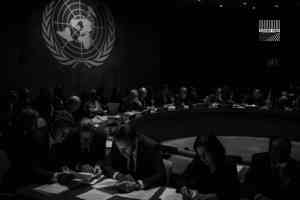
The United Nations Security Council held an emergency midnight session, during which representatives engaged in heated deliberations over the nature and direction of the proposed ceasefire. While there was broad consensus on the urgent need to halt violence and secure humanitarian access, disagreements persisted on the conditions for compliance and verification mechanisms. Several council members insisted that any ceasefire must include guarantees on the protection of civilians and international observers. Others emphasized the need for security assurances and the withdrawal of heavy weaponry from population centers.
Regional Actors Harden Positions
Regional governments directly or indirectly involved in the conflict have adopted firm positions, leaving little room for compromise despite active diplomatic engagement. Officials from the region have issued strong statements defending their strategic and security priorities, accusing opposing factions of violating previous arrangements. Analysts note that the region has become a complex chessboard, where political, ideological, and territorial factors intersect with global power competition.
Several countries have placed their forces on elevated alert, and intelligence assessments indicate potential mobilisations near key border points. While none of these moves amount to a full mobilization, the symbolic and strategic significance of such gestures has not gone unnoticed. They have heightened global fears that a miscalculation could widen the conflict significantly.
Crisis in Supply Chains: Fuel, Food, and Medicine Shortages
Transport and logistical networks across the region have been disrupted severely. Major trade routes have come under increased scrutiny due to reported security incidents. Fuel supply chains, especially those reliant on cross-border movement, are facing unprecedented uncertainty. Several commercial operators have temporarily suspended operations, citing safety concerns for drivers and the high risk of cargo loss.
Ports in the region also reported irregularities in cargo arrivals, with some vessels diverting to alternative locations. This disruption threatens to exacerbate inflationary pressures, especially in countries that depend heavily on imports of essential commodities. Market analysts have warned that prolonged instability may trigger supply shocks that could reverberate globally, affecting energy prices, food supplies, and pharmaceutical imports.
Civilian Displacement Reaches New Highs
The last seventy-two hours have witnessed a surge in civilian displacement. Families have been seen moving with minimal belongings, seeking refuge in safer zones or nearby countries offering temporary entry permits. Some nations have opened special emergency entry lanes, though officials acknowledge that these facilities are quickly nearing capacity.
UN aid workers estimate tens of thousands of new arrivals at border encampments, many lacking basic supplies. Overcrowded shelters and tent cities have emerged, with relief workers struggling to distribute aid equitably amid shortages and chaotic conditions. Children form a significant part of the displaced population, raising concerns about malnutrition, trauma, and disrupted schooling.
Information War and Communication Blackouts
The conflict landscape has also been shaped by a rapidly evolving information war. Communications infrastructure in several locations has experienced targeted disruptions, making it difficult to verify ground events. Internet outages and mobile signal interruptions have impeded the work of journalists, humanitarian agencies, and civilians attempting to contact relatives or seek assistance.
Governments and armed groups have released competing narratives, each claiming strategic gains and accusing the other of instigating escalations. Digital misinformation campaigns have further clouded public understanding, with doctored videos and unverified accounts circulating widely on social media platforms.
World Powers Push Back Against Escalation
Major global powers with stakes in the region—either through security partnerships, trade relations, or strategic alliances—have intensified pressure to prevent the conflict from spiraling. Several countries issued coordinated diplomatic statements urging all sides to exercise restraint. Defense analysts suggest that the unified tone adopted by multiple powers may be intended to signal that further escalation could provoke broader international consequences.
High-ranking officials from Asia, Europe, and North America have reportedly held joint consultations, exploring options for coordinated humanitarian deployments, naval escorts for aid ships, and expanded funding for emergency relief. Behind closed doors, however, officials admit that without political reconciliation between the primary belligerents, such efforts can only mitigate—but not resolve—the unfolding crisis.
Financial Markets React to Rising Regional Instability
International financial markets have reflected the uncertainty generated by the crisis. Energy markets, in particular, have experienced volatility, with crude oil prices fluctuating sharply. Investors are closely monitoring developments, especially as shipping lanes in the region influence the global flow of energy supplies.
Equity markets in several countries have witnessed cautious trading behavior. Defense-related stocks have shown notable movement, while industries reliant on stable regional supply chains face bearish pressure. Some experts caution that prolonged instability could trigger wider economic consequences, especially for emerging markets sensitive to energy price swings.
Human Rights Concerns Mount
International human rights organisations have raised alarms over reports of civilian casualties, restricted movements, arbitrary detentions, and potential violations of international humanitarian law. Independent observers have been unable to access certain conflict zones due to security restrictions, creating challenges in verifying these claims. Nonetheless, testimonies from displaced individuals and local volunteers paint a grim picture of deteriorating human rights conditions.
Legal experts emphasize the need for accountability mechanisms once the immediate crisis stabilizes. They argue that the international community must be prepared to investigate allegations impartially, ensure evidence preservation, and provide pathways for justice to affected communities.
Attempts at a Ceasefire: A Fragile Path Forward
Despite hardened positions, diplomats remain cautiously optimistic that a ceasefire may still be negotiable. Multiple regional actors have quietly signaled willingness to participate in indirect talks, though not all parties are aligned on sequencing or scope. One proposal under consideration includes phased de-escalation, monitored by neutral observers and backed by security guarantees from key international powers.
Attempts at a Ceasefire: A Fragile Path Forward (Continued)
Another proposal suggests the opening of humanitarian corridors under direct UN supervision, with security provided jointly by regional peacekeeping units and international observers. While this approach has precedent in other conflict zones, logistical challenges, political sensitivities, and the need for cross-border coordination complicate its viability. Moreover, mistrust between rival factions remains a substantial barrier. Each group fears that a temporary pause in hostilities could be exploited by the other for strategic advantage. This deep-rooted suspicion has historically undermined several ceasefire agreements in the region.
Behind-the-Scenes Negotiations: Who Holds the Influence?
Diplomatic circles familiar with the unfolding negotiations emphasize that influence is widely dispersed. Countries with historical ties to the region, major military backers, and those with economic interests—particularly in energy and trade—are all trying to shape the talks. Some are pushing for more aggressive peace enforcement mechanisms, while others advocate for patience and incremental confidence-building measures.
Several smaller nations have also emerged as potential mediators, offering to host negotiation platforms or acting as discreet communication channels between rival groups. Their neutral political profiles give them a unique advantage in facilitating dialogue without the perception of bias. However, their ability to influence high-stakes security issues remains limited unless backed by major global actors.
The Roadblocks to Peace: Competing Priorities and Historical Grievances
The hurdles to achieving a sustainable ceasefire are not confined to military considerations. Political grievances stretching back decades continue to shape the calculations of key actors. Issues such as territorial claims, regional autonomy, displaced populations, resource allocation, and ideological divides remain unresolved. Any negotiation that fails to address these foundational issues risks becoming yet another short-term arrangement destined to collapse under pressure.
Furthermore, public sentiment in several regions has hardened. Communities that have experienced waves of displacement, loss of life, and destruction of property are increasingly skeptical of diplomatic processes that have historically delivered inconsistent outcomes. This erosion of trust poses a challenge for political leaders who must balance domestic expectations with international obligations.
The Human Cost: Stories from the Ground
The human dimension of the crisis has become increasingly visible through the accounts of families fleeing conflict zones, volunteers risking their lives to deliver aid, and medical professionals working through exhaustion to save lives. Displaced civilians recount harrowing journeys—navigating broken roads, crossing unsafe checkpoints, seeking shelter in unfamiliar terrains, and often traveling for days with little food or water.
Aid workers emphasize that the rapid pace of displacement has overwhelmed existing humanitarian infrastructures. Water purification systems, mobile clinics, child support centers, and trauma counseling units are all operating beyond capacity. Many displaced individuals have lost contact with family members, adding to the psychological toll of the crisis.
Women and Children: The Most Vulnerable Populations
The brunt of the humanitarian fallout disproportionately affects women and children. Pregnant women face heightened risks due to limited access to maternal healthcare, while children lack routine immunizations, nutrition support, and educational continuity. Child psychologists warn of long-term developmental impacts caused by exposure to trauma, displacement, and instability. The absence of schooling deepens vulnerabilities, depriving children of safe environments and structured learning routines critical for emotional well-being.
Women-led households, already grappling with limited economic opportunities, face increasing challenges in securing basic necessities amid rising prices and supply shortages. Relief organizations have called for gender-sensitive responses, emphasizing the need for safe zones, dedicated medical support, and targeted food distribution mechanisms for vulnerable families.
Looking Beyond the Conflict: Economic and Social Aftershocks
Economists warn that even if a ceasefire is achieved soon, the aftermath of the conflict will leave long-lasting scars on the region’s economic landscape. Business closures, disrupted supply chains, damaged transportation routes, and declining investor confidence are likely to have multi-year consequences. Agricultural cycles have already been interrupted in several regions, affecting food production and rural livelihoods.
Urban centers, which serve as economic hubs, have faced intermittent shutdowns due to security alerts. Small businesses and informal workers—who form a large portion of the regional workforce—are particularly vulnerable. Analysts project that unemployment rates could surge, placing additional pressure on public welfare systems already stretched thin.
International Aid Pledges: Will They Be Enough?
In response to the crisis, several countries and multilateral institutions have announced emergency aid packages. These pledges aim to strengthen medical support, supply food and water, and stabilize temporary shelters. However, aid experts caution that the scale of the crisis far exceeds current commitments. Even with new pledges, the gap between needs and available resources continues to widen.
Furthermore, the delivery of aid is hampered by logistical challenges—damaged roads, blocked routes, unpredictable security conditions, and bureaucratic obstacles at border points. Many humanitarian agencies have appealed for streamlined processes to ensure timely delivery of life-saving supplies. Without improved access, they warn, mortality rates could rise sharply among the most vulnerable populations.
Regional Security Implications: A Broader Crisis Looming?
Security analysts warn that the current crisis has the potential to morph into a broader regional confrontation if not managed carefully. The involvement of multiple state and non-state actors, combined with geopolitical rivalries, increases the chances of escalation. Border tensions have been reported in areas far from the initial conflict zone, signaling a wider destabilization.
Countries neighboring the conflict-affected areas have intensified surveillance and deployed additional troops to critical border points. While these moves are defensive, analysts caution that accidents, miscommunications, or provocations could trigger wider clashes. Airspace violations and naval standoffs have also been reported, further heightening tensions.
Energy Security at Risk
The Middle East is a vital node in the global energy network. Disruptions arising from the current conflict have raised alarms in countries reliant on energy imports. Refinery outputs, transport pipelines, and maritime shipping routes are all at risk of extended disruption. Energy policy experts are advising governments to diversify supply sources, boost strategic reserves, and take measures to stabilize domestic markets against price shocks.
Some countries are in talks with alternative suppliers to cushion short-term disruptions. However, such arrangements come with their own logistical challenges and cost implications. Energy-intensive industries, especially in Asia and Europe, are evaluating contingency plans to mitigate risks associated with supply volatility.
Digital Technology as a Tool for Conflict Monitoring
As traditional communication networks face outages, digital monitoring tools—including satellite imagery, open-source intelligence platforms, and crisis mapping software—have become vital for tracking developments. Analysts are leveraging high-resolution imagery to assess troop movements, infrastructure damage, and the status of transport corridors.
Meanwhile, humanitarian groups are using crisis-mapping applications to track refugee movements and identify urgent needs. Although these tools enhance situational awareness, analysts caution that they cannot fully replace reliable communication channels or direct access to conflict zones.
Voices Calling for Peace: Global Civil Society Mobilises
Civil society organizations across multiple countries have launched campaigns urging political leaders to intensify efforts toward conflict resolution. Public demonstrations calling for peace have taken place in major cities, with participants expressing solidarity with civilians caught in the crossfire. Social media campaigns have gained traction, amplifying calls for international intervention, humanitarian access, and accountability.
Religious leaders, academic institutions, and community groups have also issued joint statements appealing for restraint and dialogue. Their involvement underscores the widespread concern over the potential for further humanitarian deterioration.
A Crisis at a Crossroads: What Comes Next?
Despite the grim outlook, diplomats emphasize that crises of this magnitude often create openings for political solutions that were previously unattainable. The urgency of the current situation, combined with sustained international pressure, may compel key actors to reevaluate their positions. If a ceasefire can be secured and maintained long enough to allow for humanitarian stabilization, broader political dialogue may become possible.
However, experts warn that time is running out. Every day of continued hostilities deepens humanitarian suffering, destabilizes economic systems, and erodes public trust in political processes. Whether global and regional actors can muster the political will to halt the crisis remains an open question.
Conclusion: A Conflict With Global Reverberations
The unfolding crisis in the Middle East has once again highlighted the fragility of global peace and the interconnected nature of modern geopolitical conflicts. As humanitarian corridors collapse, supply chains falter, and diplomatic tensions escalate, the world watches anxiously. The coming days will prove critical in determining whether a ceasefire can be brokered or whether the region will sink deeper into a prolonged, multi-dimensional conflict with global consequences.


+ There are no comments
Add yours