
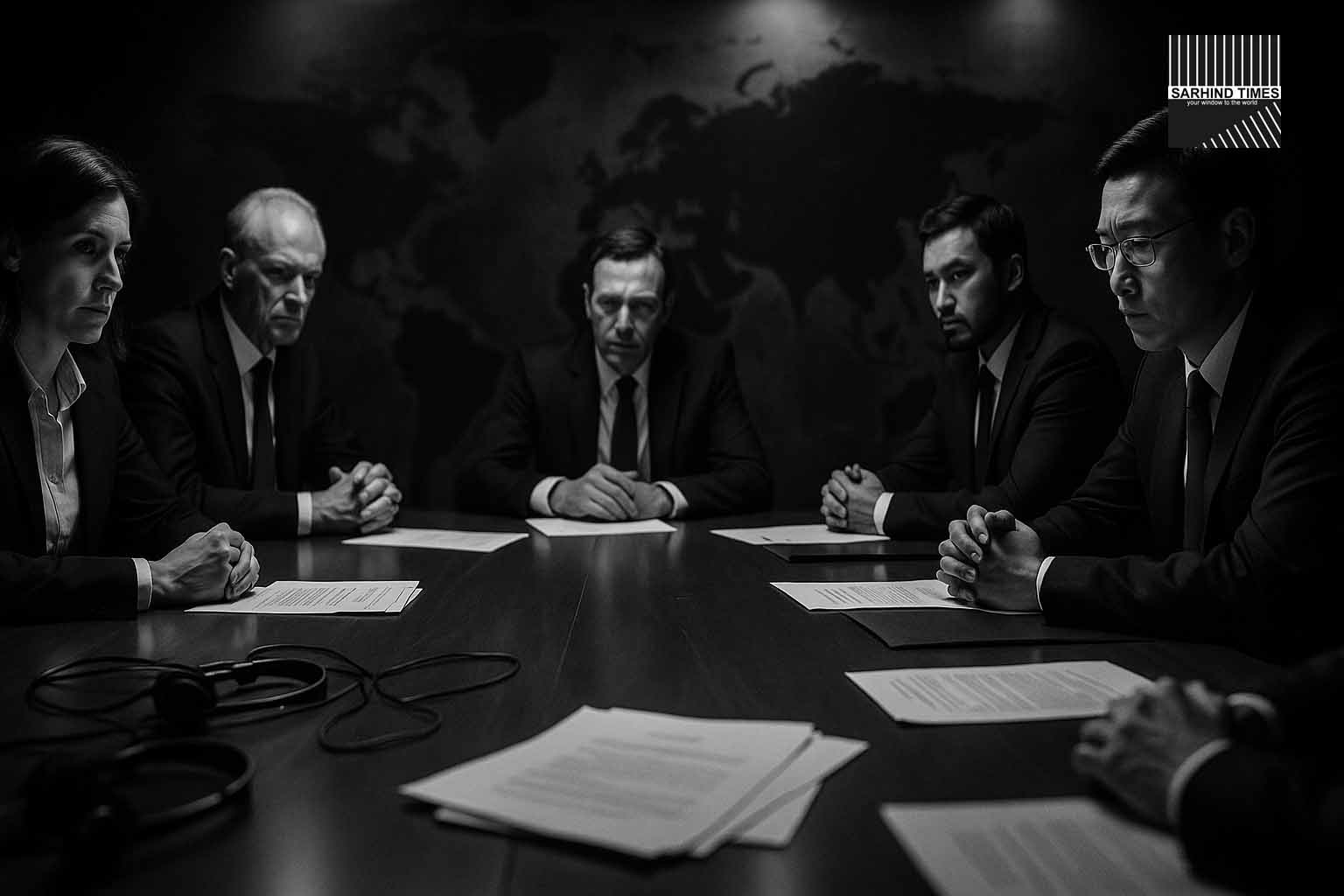
Failure of the latest negotiation round sparks new fears of escalation, humanitarian collapse and geopolitical realignments
Dateline: Geneva | 25 November 2025
Summary: After days of high-stakes negotiations involving the United States, Qatar, Egypt, the United Nations and several European envoys, the latest ceasefire talks between Israel and Palestinian representatives collapsed without agreement. The breakdown has triggered fresh geopolitical tensions, renewed security fears across the region and warnings from humanitarian agencies about a deepening crisis. Analysts now predict a wave of diplomatic, military and economic repercussions stretching far beyond the Middle East.
The Breakdown: A Negotiation Round That Carried Global Expectations
The ceasefire discussions, held discreetly in Geneva for 72 hours, were billed as one of the most promising diplomatic windows in months. Delegations from Israel, Palestinian factions, Qatar, Egypt, the United States, the United Nations and European envoys worked through multiple drafts, proposals and counter-proposals. Yet, despite what negotiators described as “moments of near-breakthrough,” talks collapsed late on Monday evening.
According to diplomats familiar with the process, the discussions stalled over two critical issues: the sequencing of hostage releases and the extent of military withdrawal guarantees. Both sides accused the other of shifting positions during the final hours, derailing what had seemed like a possible agreement.
A senior European diplomat noted, “The final sticking points were not new. What changed was the level of mistrust and the perceived political cost of compromise back home.”
Humanitarian Concerns Surge After Failed Talks
International humanitarian agencies responded to the negotiation collapse with alarm. Aid groups warn that the humanitarian situation in Gaza, which has deteriorated dramatically in recent months, may reach a breaking point.
More than two million civilians face severe shortages of clean water, medical supplies, cooking gas and basic healthcare. Hospitals across Gaza are operating far beyond capacity, often relying on generators running low on fuel. Doctors have repeatedly issued warnings about rising trauma cases, untreated infections, and a surge in child malnutrition.
One aid official described the situation as “utterly unsustainable,” adding that without a ceasefire, “no amount of international aid pledges can prevent mass casualties.”
Diplomatic Shockwaves: The Global Response
The failure of the talks has resonated deeply across global capitals. The United States expressed “deep disappointment,” calling on both sides to return to dialogue immediately. Officials in Washington stressed that the window for diplomacy “remains open but fragile.”
In Europe, foreign ministries from France, Germany and the United Kingdom echoed similar concerns, warning that a continued military escalation could destabilize already sensitive geopolitical balances. An emergency session at the United Nations Security Council has been scheduled to discuss the implications of the collapse.
Qatar and Egypt, the two key mediators, issued rare joint statements expressing “grave concern” and emphasising that they remain committed to re-engaging both sides despite the setback. Diplomats from both nations have spent months building trust channels, only to see them strained in the last 48 hours.
Why the Talks Failed: A Closer Look at the Sticking Points
The negotiation structure consisted of three interconnected proposals:
- A multi-phase ceasefire including immediate humanitarian pauses.
- A prisoner and hostage exchange mechanism involving international oversight.
- A monitored withdrawal framework designed to prevent sudden escalations.
Despite broad agreement on the overall outline, disagreements emerged regarding:
- Verification of combat halt: Israel sought guarantees of demilitarisation steps before halting operations; Palestinian factions demanded unconditional cessation.
- Hostage sequencing: Israel insisted on releasing civilians first; mediators proposed parallel releases; the opposing side pushed for a simultaneous full-scale exchange.
- International observers: Disputes surfaced over which nations would oversee monitoring and what level of access they would have.
- Reconstruction pledges: Disagreements emerged over whether reconstruction aid should be tied to political concessions.
One negotiator summarized: “Both sides came with red lines. Neither was ready to take the first major step.”
Regional Repercussions: The Middle East on Edge
Immediately after news of the collapse spread, regional security forces were placed on heightened alert. Analysts warn that multiple flashpoints across the region could ignite in the coming weeks:
- Border tensions near Lebanon may flare as militant groups reassess the regional balance.
- West Bank clashes may intensify amid a breakdown of diplomatic hope.
- Red Sea maritime security could face new destabilizing threats.
- Iran–Israel rhetoric has already escalated sharply in the last 24 hours.
Middle Eastern governments, wary of being drawn into wider conflict spirals, have urged restraint while preparing internal contingencies.
The US Role: Pressure and Limits
The United States invested substantial diplomatic capital in the Geneva talks. High-level officials flew in to mediate final disagreements, holding back-to-back meetings with both delegations.
However, geopolitical realities constrained Washington’s leverage. Domestically, the US government faces political pressure from multiple sides—some groups demanding stronger support for Israeli positions, others calling for more assertive humanitarian interventions.
A veteran diplomat noted that America’s influence “remains significant but not unlimited,” especially given broader international distrust in great-power mediation following years of shifting foreign policy priorities.
Europe’s Position: Balancing Diplomacy and Domestic Pressure
European nations have struggled to maintain a unified stance on the conflict. While they publicly back ceasefire mediation, internal political dynamics have intensified as citizens express strong views through protests, parliamentary debates and civil-society campaigns.
The negotiation collapse has triggered fresh calls across Europe for a stronger EU-led diplomatic push. Some member states want immediate sanctions discussions; others advocate an enhanced humanitarian corridor.
The EU’s foreign policy chief described the situation as “a defining moment for Europe’s moral leadership.”
The UN’s Dilemma: Authority Without Enforcement
The United Nations faces a familiar challenge: strong moral position, limited enforcement capability. The UN Secretary-General issued an urgent appeal for renewed talks and warned that “millions of lives cannot remain hostage to political paralysis.”
The Security Council remains divided. Permanent members differ sharply in their assessment of the conflict, its causes, and acceptable pathways to peace.
This division threatens to weaken any meaningful resolution or monitoring mission proposal.
Economic Fallout: Oil, Markets and Global Risk Indicators
Following the collapse of the talks, global markets reacted immediately. Oil prices surged as traders anticipated heightened regional instability. Energy analysts caution that further escalation could disrupt shipping routes or trigger supply-chain stress.
Stock markets across Asia and Europe experienced volatility, with investors shifting toward safe-haven assets. Bond yields, currency indices and commodity prices all reflected a rising risk premium.
Global shipping operators have also expressed concern about insurance costs, piracy threats and rerouting contingencies.
Humanitarian Voices: The Cost of Diplomatic Failure
International NGOs emphasised that beyond geopolitics, the human cost remains the most urgent concern. Families separated by conflict, children suffering from trauma, displaced individuals living in overcrowded shelters, and hospitals running on emergency supplies all stand to bear the consequences of political stalemate.
One aid spokesperson stated bluntly: “The failure of talks is not just a diplomatic event. It is a death sentence for many who are trapped with no access to help.”
Global Civil Society Mobilises: Protests and Advocacy Surge
As news of the failed talks spread, large demonstrations erupted across major cities including London, Paris, Berlin, New York, Istanbul, Kuala Lumpur and Johannesburg. Protesters demanded an immediate ceasefire and greater accountability for civilian casualties.
Social media platforms saw a surge in global advocacy campaigns calling for international oversight, transparency in negotiations and the inclusion of independent humanitarian voices.
What Happens Next: The Road Ahead
Diplomats believe that despite the collapse, the parties may return to the table within weeks—because the alternative is untenable for all stakeholders.
Potential next steps include:
- A renewed attempt at shuttle diplomacy by Qatar and Egypt.
- A new UN Security Council resolution, albeit difficult to pass.
- A US-led proposal focusing on humanitarian pause first, political agreements later.
- European efforts to establish a reconstruction oversight mechanism.
- Back-channel communications through intelligence agencies.
Experts warn, however, that trust has eroded significantly. Rebuilding a negotiation atmosphere may require confidence-building measures that neither side is yet willing to commit to.
Conclusion: A Turning Point with Global Consequences
The collapse of the Middle East ceasefire talks marks a serious setback in one of the world’s most volatile regions. It highlights the fragility of diplomatic momentum, the depth of political mistrust and the rising complexity of global conflict resolution.
The human cost is immediate and devastating. The geopolitical consequences will unfold over months, affecting global markets, international alliances and regional stability.
For now, the world waits. The next move by the parties—whether escalation or renewed dialogue—will shape not only the region’s future but the global landscape for years to come.



+ There are no comments
Add yours