
Initial Examination Suggests Strangulation; Police Investigate Live-in Partner’s Role as Primary Suspect
Dateline: Gurugram | November 7 2025
Summary: The body of a 26-year-old woman was discovered hidden beneath a bed in a rented two-bedroom accommodation in Dundahera village, Gurugram. Police suspect foul play, with the live-in partner of the deceased absconding and being treated as the chief suspect in the case.
Discovery and Immediate Response
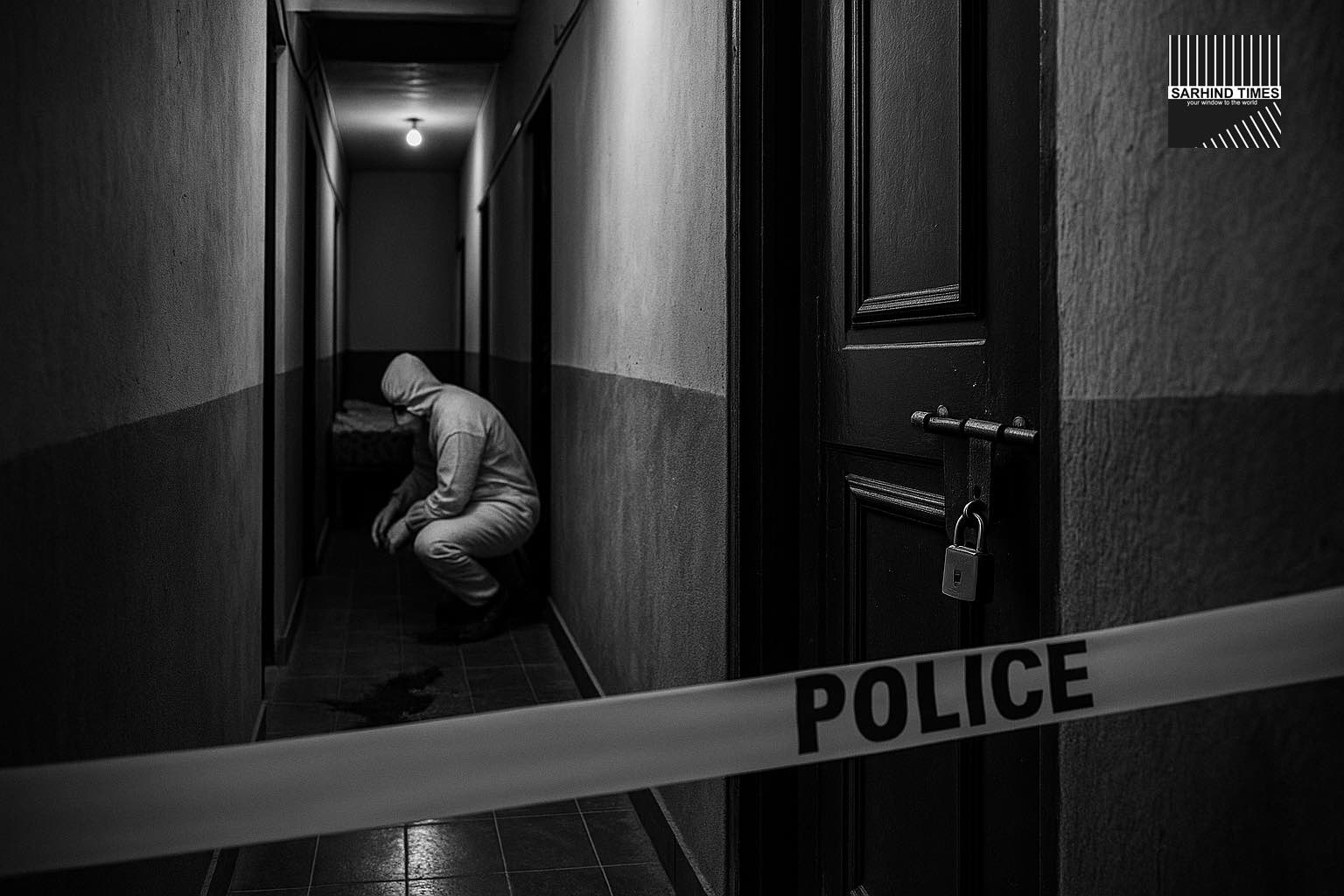
On Wednesday evening, the local residents of Dundahera village in the Udyog Vihar area of Gurugram alerted the police after noticing a foul odour emanating from a rented two-bedroom flat. According to initial reports by the Gurugram Police, the main door of the unit was locked from the outside, and when the latch was forced open by law-enforcement officers, they discovered the body of a 26-year-old woman lying underneath a bed. The state of decomposition suggested that the victim had been dead for several days.
The victim was identified as “Angoori” (name changed for privacy in media reports), who had been living at this location for around twenty days with her live-in partner, named Anuj by the police. Local residents recalled seeing the couple move into the unit approximately three weeks earlier and indicated that she had left for work in the morning and returned in the evening.
According to police sources, neighbours last saw her on October 31 late evening when she had returned and washed clothes. She was reportedly not seen again until the body was discovered. The flat was locked from outside, corroborating suspicions that the perpetrator may have fled after committing the offence.
Victim Profile and Living Arrangement
Investigators established that Angoori had been living with Anuj in the flat, although they were not officially married. The couple’s relationship was described by acquaintances as longstanding—approximately a year and a half—during which the two had resided in another location before shifting to Dundahera. It is understood that the move was made around twenty days before the body was discovered.
Police records indicate that an FIR has been registered at the Udyog Vihar Police Station and the investigation team is treating the matter as a suspected murder case. The condition of the body—hidden, decomposed, shows signs of chill, and found under a bed in a flat locked from the outside—has given investigators reason to consider the possibility of premeditated homicide.
Investigation Leads: Strangulation, Absconding Partner, and Locked Door
Initial forensic impressions by the local crime branch suggest that the cause of death may have been strangulation or throttling, although the final autopsy report is awaited. Police disclosed that blood stains were visible seeping through the gap beneath the door, prompting a neighbour to alert the caretaker and subsequently the police.
A senior officer from the Gurugram crime branch remarked that the door being locked from the outside implied that the suspect either fled after the act or forced the victim into the unit before locking her in. The missing partner, Anuj, is now being treated as the prime suspect. His last known sighting by neighbours was the morning the victim left for work. Thereafter no confirmed sighting has been recorded.
While investigation is ongoing, the police are probing the couple’s relationship dynamics, financial ties, and possible motive. Family members of the victim, despite contact efforts, have reportedly refused to recognise the body or engage with the investigating team, complicating the progress of the case.
Contextualising the Crime in Gurugram’s Urban Landscape
Gurugram, once a sleepy satellite town of Delhi, has grown rapidly into a bustling metropolitan zone with high-density housing, rental accommodation culture, and a large number of migrant and single professionals. With these changes come challenges in neighbourhood surveillance, security of rented homes, and domestic arrangements involving live-in relationships that may not have formal protections or registration.
This case raises issues beyond the immediate tragedy: unregulated live-in partnerships, insufficient checks of rental accommodations, the vulnerability of women in urban rentals, and the speed with which a crime can occur and remain undiscovered in high-rise or clustered housing environments.
The crime branch of the Gurugram Police has in recent months recorded several arrests for planned robberies, illegal arms possession, and organised crime operations. This case, while domestic in nature, highlights how private living arrangements and rental anonymity may provide a setting for violent crime to remain undetected for days.
Timeline of Events and Police Action
Below is a reconstructed timeline based on information released by police and testimony of neighbours:
- October 31 (Evening): Victim seen returning to the flat, washing clothes. No known suspicious sign noted by neighbours.
- November 1 – 4: Neighbours report not seeing the victim or the partner. Flat door remains locked, little to no movement observed.
- November 6 (Afternoon): Neighbour detects foul smell and blood stains near front door landing—notifies building caretaker.
- November 6 (Evening): Police break lock from outside, discover decomposed body under bed. Investigation begins.
- November 7 (Morning): Police issue missing person alert for Anuj, attach forensic teams, record statement of neighbours, begin digital forensics on mobile calls and CCTV footage.
Source leads suggest that lock on the main door was engaged from outside and no sign of forced entry beyond that, indicating familiarity between victim and suspect.
Forensic and Technical Investigations Underway
The crime scene investigation has been handled by both the Gurugram Police crime branch and the Forensic Science Laboratory (FSL) teams. Key tasks include:
- Forensic examination of the body to establish cause and time of death.
- Collection of DNA, fingerprints, and touch samples from the flat including bed, sheets, door handle, and lock.
- Extraction of mobile call data, location tracking of the partner’s phone and his last known contacts.
- CCTV and building surveillance footage review for movement in and out of the flat during the suspected time frame.
- Neighbourhood canvassing for sightings, audio logs of movement, and any service provider visits to the flat.
Investigators have noted the locked door suggests the suspect used his own key or had inside knowledge. The flat is reportedly in a mid-rise building where other residents seldom interact closely with their neighbours, raising questions about social isolation in high-density housing frameworks.
Motive and Relationship Dynamics: Live-in Partnership Under the Lens
The live-in relationship between the victim and Anuj is being scrutinised. Investigators are exploring several angles:
- Possible conflict or disagreement between the couple regarding financial or personal matters.
- Jealousy or control issues, given that the arrangement was informal without legal registration.
- Presence of an unborn child (unconfirmed) or pregnancy-related issues—some media reports indicated the victim may have been several months pregnant though police have not officially confirmed.
- Possible third-party involvement or pressure, although no outside suspect has been named yet.
The informality of their living arrangement may have delayed help being sought. The fact that the body remained hidden under a bed for days before detection points to a gap in communal oversight in rental compounds.
Resident Response and Neighbourhood Safety Concerns
Residents of the building expressed shock at the discovery. Several told police that they seldom saw movement at the flat in the days preceding the discovery. Some neighbours admitted to assuming the couple might have gone out of town for Diwali weekend—but they were unaware that anything untoward had occurred.
A local caretaker stated that the call came from a neighbour who noticed a smell outside the door landing and blood-stains leaking from beneath the door. He immediately notified police. Investigators have observed that the gap between floors and door landings in older buildings can allow smells and fluid seepage to be noticed, but by then the crime had already been undiscovered for days.
Broader Legal and Social Implications
This case has sparked debate over rental housing safety and the rights of women in informal living arrangements. Key issues include:
- Live-in relationships: While legally recognised under certain circumstances, many men and women live together without formal documentation, which can complicate investigation and access to protective mechanisms.
- Rental housing security: The ability of a criminal to hide a body under a bed and lock a flat from outside without detection raises concerns about neighbourly communication, building management oversight, and periodic checks.
- Forensic delays: Decomposition delays autopsy and may reduce the probability of detecting vital evidence, thus timely detection is critical.
- Women’s safety: Urban centres like Gurugram attract many young women professionals living away from families. Ensuring their security involves building-level vigilance, emergency helplines, and better integration of residents into community safety frameworks.
Police Strategy and Next Steps in the Investigation
The Gurugram Police crime branch have outlined their investigative next steps:
- Tracing partner Anuj via his last known cell-phone connection, bank and wallet transactions, social media footprints.
- Issuing look-out circulars (LOC) and barring him from exiting state or country till apprehended.
- Reconstructing couple’s recent movements through ride-sharing logs, e-payments, and building visitor records.
- Analyzing CCTV footage of the building and nearby streets to locate movement of Anuj or other persons from the flat.
- Interviewing acquaintances, neighbours, domestic help, and service providers who might have accessed the flat in the days leading up to discovery.
- Engaging forensic pathologist to estimate time of death and cross-match it with last sighting to narrow crime window.
Victim Support and Community Response
While the victim’s family reportedly declined to reclaim the body, local NGOs and women’s support groups have reached out to the police offering help in counselling and liaising with hostel-type rental accommodations. The absence of family claim has complicated administrative aspects like body release, post-mortem formalities and grief counselling.
Resident welfare associations in Dundahera have noted the incident and called for improved security audits, installation of corridor CCTV, fortnightly roll-calls of absentees in flats, and creation of emergency contact directories for residents. Many emphasised that the drive for privacy in high-rise living should be balanced with periodic communal vigilance.
Legal Framework and Potential Charges
The police are expected to book the absconding partner under Section 302 (murder) of the Indian Penal Code along with Section 201 (causing disappearance of evidence) and potentially Section 34 (common‐intention) if an accomplice is identified. Additional charges may include domestic violence statute violations if evidence emerges of abuse. The process may involve freezing assets, obtaining travel history and seizing the flat to examine further evidence.
Depending on forensic outcome, the prosecution will also consider charges such as Section 304B (dowry death) or 306 (abetment of suicide) if evidence suggests other motives or forced circumstances. To secure conviction, investigators will compile electronic evidence, witness depositions, forensic signatures and CCTV timelines—building a chain of proof from last sighting to body discovery.
Possible Motives and Expert Analysis
At this stage, motives remain speculative but investigators are assessing several lines:
- Relationship breakdown: The couple may have had unresolved conflict regarding cohabitation, financial commitments or family pressures.
- Pregnancy or unborn child: Some media reporting suggests the victim may have been pregnant which could trigger familial or relational strain, though this remains unconfirmed.
- Financial exploitation: Investigators are checking whether the victim had recently transferred funds or was under economic pressure.
- Third-party interference: Although no external suspect has emerged yet, the possibility of someone gaining access to the flat or controlling the partner cannot be ruled out.
Criminologists indicate that in high-density urban rental spaces with less neighbour interaction, crimes may go unnoticed unless there is communal oversight or management protocols. The “locked from outside” feature may indicate trust or intimacy between suspect and victim, reducing signs of struggle or forced entry.
Implications for Rental Housing Regulations and Policies
This case points to the need for regulatory review of rental accommodation governance, especially in fast-growing metro-fringe areas like Gurugram. Some policy implications include:
- Mandatory resident registration or periodic verification of single-occupancy or live-in couples in complexes.
- Building management protocols for checking prolonged absences, odour, or other safety signs.
- Access to emergency helplines and building-level security watch for young residents living away from home.
- Community awareness programmes in rental complexes educating about signs of distress, neighbour communication and rapid escalation to law-enforcement.
Comparative Context: Crime Patterns in Gurugram
Gurugram’s rapid urbanisation has been accompanied by an uptick in organised crime, rental accommodation crimes, and unmonitored living arrangements. Recent arrests by the crime branch include those for illegal arms possession and planned robberies in residential sectors. The present case differs in that the victim and suspect were known to each other and the crime belonged to domestic rather than organised criminal typology.
However, it underlines how domestic violence, live-in relationship disputes and rental accommodation vulnerabilities are increasingly salient in emerging metro zones. Experts say that rental housing safety often lags behind home-ownership frameworks wherein family oversight remains stronger.
Community and Media Reaction
The disturbing nature of the crime has provoked concern in local media and among resident associations. Some tenant welfare groups have demanded a review of building security practices. Social media discussions highlight the broader context of women’s safety in independent rentals and live-in relationships, especially where families may be distant or unavailable.
Representatives of women’s organisations have said the victim’s isolation in a rented flat, absence of family oversight and late detection represent a systemic weakness. They urged local police and civic authorities to distribute information on safety protocols for young women living away from home, and for buildings to adopt “buddy check” or neighbour‐monitoring systems.
Challenges in Investigation & Prosecution
The investigation faces several challenges:
- Delay in body discovery has likely affected forensic evidence and compromised clarity of timeline.
- The absence of a cooperating family complicates gathering victim background, motive and personal history.
- Live-in relationship status may hamper legal recognition of certain protective rights available to married couples.
- Tracking an absconding partner across state or national borders may become resource-intensive if he has fled.
Prosecutors will need to compensate for these gaps by building a strong circumstantial record, including timeline of disappearance, forensic indications of foul play, and mobile/CCTV evidence linking suspect to the scene. The locked door from outside will be a key evidentiary point.
Future Implications for Urban Policy and Women’s Safety
This case may prompt both law-enforcement and urban planners to revisit safety measures for rental housing. Some prospective changes might include:
- Periodic audits of rental complexes for building security features, lighting, corridor access, and neighbour vigilance.
- Awareness campaigns for tenants about personal safety, emergency contacts, and communication with neighbours.
- Government or civic incentives to install smart locks, corridor CCTV, and centralised visitor logs in large rental buildings.
- Encouraging local resident welfare associations to form safety committees and engage in cascading alerts when irregularities are noticed.
The incident has underscored how rapid urban living without traditional neighbourhood checks may leave individuals vulnerable. As young professionals increasingly live independently in cities like Gurugram, the bridging of physical safety infrastructure, community vigilance and law-enforcement responsiveness becomes more critical.
Conclusion: A Call to Vigilance
The discovery of a young woman’s decomposed body hidden under a bed in a rented flat in Dundahera, Gurugram is a chilling reminder of the convergence of urban anonymity, informal living arrangements and delayed detection of crimes. While the partner-suspect remains on the run, investigation is underway to build a legal case and provide justice for the victim.
Beyond the immediate tragedy, this incident prompts reflection on how rental accommodations, live-in relationships and high-density urban living demand enhanced safety frameworks, community networks, and responsive law enforcement. As the city of Gurugram continues to grow at pace, these human dimensions must be woven into the fabric of urban planning and policing.
In the days ahead, the police will be under public scrutiny to swiftly trace the suspect, recover critical evidence and ensure that the case does not become another statistic in the many crimes of urban India—but rather, a catalyst for improved safety measures for those living in the margins of modern city life.



+ There are no comments
Add yours