
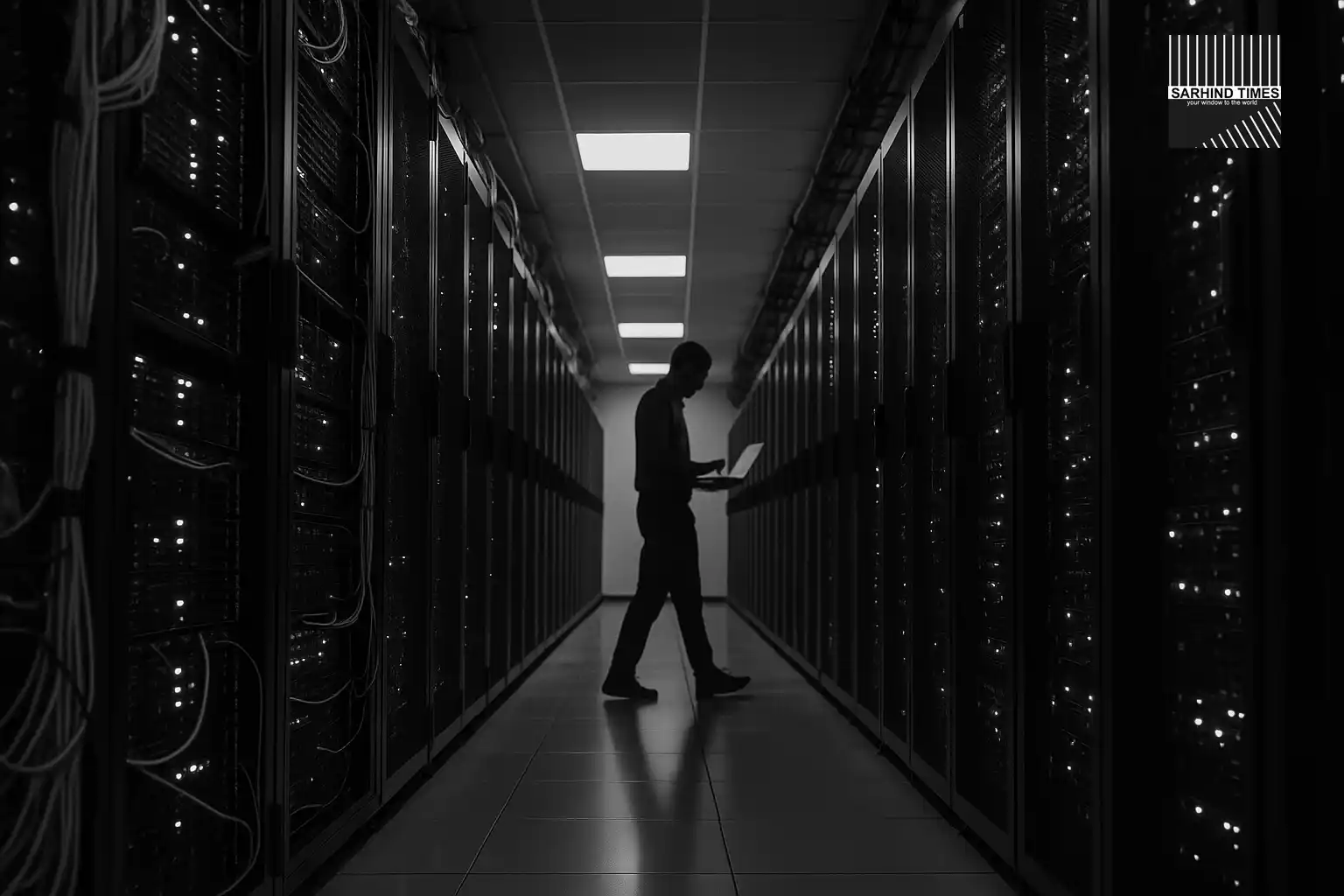
Government and industry collaborate on landmark telecom security measure to curb spam-calls and enhance trust across networks
Dateline: New Delhi | 31 October 2025
Summary: The Indian government has announced that a **nationwide verified caller ID system** will begin rolling out in 2026, building on the existing TRAI and telecom-infrastructure frameworks to reduce spam calls and impersonation scams. According to reports, this major initiative signals a significant step in India’s digital-trust infrastructure and links to broader policies under the Digital India and Make in India agendas.
Introduction: The problem of spam and spoofed calls
In recent years, India’s mass adoption of smartphones and cheap data has been accompanied by a surge in unwanted calls, spam-messages and spoofing incidents. Many citizens complain of fraudulent calls posing as banks, service providers or government agencies. Telecom operators and regulators have struggled with the scale of abuse. Against this backdrop, the government’s announcement that a nationwide verified caller ID regime will be rolled out by 2026 marks a potentially significant step in the evolution of telecom-security in India.
According to a recent premium report, the initiative is being developed in collaboration with industry stakeholders, major carriers, and regulators. Under the proposed system, whenever an incoming call displays a number and name, the authenticity of the caller will have been verified by the network and certified by the operator or a trusted intermediary. In effect, this will turn the caller ID into a “verified badge” analogous to digital verification in other domains — lending more trust to incoming calls and reducing the scope for spoofing.
Why India is taking this step now
Several factors — technological, regulatory and socio-economic — are motivating this move:
- High incidence of spoofed calls and fraud. Citizens routinely receive calls that impersonate banks, government agencies, or known contacts, leading to financial fraud, identity theft and general erosion of trust in telecom communications.
- Mobile penetration and data usage saturation. With over 1.5 billion mobile subscribers in India (active plus prepaid/recharge), the scale of potential abuse is huge compared to many other markets. Therefore telecom security becomes not just a service issue but a national infrastructure concern.
- Digital trust and public-policy alignment. As part of broader government initiatives such as Digital India and building a “trusted” digital ecosystem, ensuring that communication channels are secure and trustworthy becomes a priority. Verified caller ID fits into the stack of identity, authentication, and trust services that underpin digital commerce, banking, e-governance and consumer services.
- Regulatory evolution and global precedent. Globally, telecom regulators and operators in markets such as the US (with STIR/SHAKEN in the US) have adopted caller verification protocols to combat spam, robocalls and spoofing. India appears ready to adopt a home-grown version adapted to local operators, languages and network complexities. The Mint report flagged the likely 2026 rollout.
- Commercial opportunity and infrastructure leverage. For operators and tech vendors, offering verified-caller services can become a value-added service (VAS) or premium tier; for regulators it represents an opportunity to enforce trust without compromising innovation. The flow of data, real-time verification, and cross-network interoperability all point to modernising legacy telecom systems into smarter, trust-enabled layers.
How the system is likely to work
While the government has not yet released full technical specifications, analysts and industry sources outline the likely mechanics of the verified caller ID rollout:
- Caller authentication by originating network/operator: When a call is made, the originating carrier or enterprise will register the caller identity (number + name) and pass this certification downstream via the signalling channel.
- Recipient display with verified badge: On the receiving end, compatible handsets, telecom stacks and apps will recognise the verification token and display the call with a small badge or visual cue, “ verified caller” or equivalent.
- Backend database/trust registry: There will likely be a central or distributed trust-registry maintained by the regulator/industry body, listing verified numbers, their status, and revocation flags in case of misuse or fraud.
- Fallback for unverified calls: Calls from numbers not registered or verified will continue to work but display a warning (“Unverified Caller”) and may be subject to recipient screening or network filtering. Over time, telecom apps or handsets may block or filter unverified or flagged calls by default.
- Integration with mobile OS and apps: To maximise impact, handset manufacturers, telecom-app developers (including dial-er apps) and OS vendors will need to support the verified-badge UI, APIs and backend check. If not, the benefit may be limited to aware users; widespread adoption will require collaboration across telcos, handset makers, regulators and software vendors.
- Network-level filtering and spam detection: Operators may leverage the verified-ID system to implement stronger spam filtering, call-blocking, analytics on network traffic and real-time threat detection. Users may also get opt-in services or premium subscriptions for trusted-call indicators and spam-analytics.
Benefits for consumers, businesses and regulators
The verified caller ID system brings multiple potential benefits:
- Reduced fraud and improved security. When calls display “verified” badges, recipients can better trust the identity of the caller; spoofing and impersonation become far harder if originating carriers enforce authentication.
- Better user experience and lower interruption. Fewer spam calls, fewer disruptions, and improved trust in voice communications could enhance productivity and reduce anxiety associated with unknown callers.
- Enhanced enterprise-trust for high-value services. Banks, financial services, e-commerce, government agencies making outbound calls can build trust with customers by having their numbers verified. This may reduce drop-rates, increase engagement and lower cost of fraud mitigation for enterprises.
- Regulatory oversight and data-safety alignment. The system aligns with broader policy-goals of digital trust, identity verification, data-protection, and telecom security. Regulators gain more control and visibility over abnormal traffic flows and can mandate compliance standards for operators to verify identity of outbound calls.
- Market differentiation and new services for operators. Telecom operators and handset OEMs may offer subscription-based “trusted-call” badges or value-added filtering services. Apps may incorporate verified-caller UI, analytics dashboards and integration with dial-er-apps, TVSPs and unified-communications platforms.
Challenges and risks ahead
No major infrastructure initiative is without pitfalls. The verified caller ID plan will face its share of hurdles:
- Handset compatibility and ecosystem readiness. Many older devices, pre-paid networks and low-cost handset segments may not support the verified-badge UI or underlying signalling. Achieving mass adoption will require either backward-compatible solutions or a large upgrade cycle.
- Network-interoperability and operator coordination. With many carriers (public and private) across India, both mobile and fixed networks, aligning verification protocols, trust-registries and signalling standards will be complex. Disparate systems and legacy infrastructure may slow rollout or reduce uniformity across regions.
- Data-privacy, regulatory oversight and misuse risk. Verification means linking numbers, identities and call-origination metadata. This raises privacy concerns: who has access to the trust-registry, how revocations happen, how user-consent is managed and how data is shared across operators and government. If not designed carefully, the system risks creeping surveillance or misuse of identity-metadata.
- Cost escalation and who bears it. Implementing verification at scale — including back-end infrastructure, signalling upgrade, handset push-updates and operator integration — will entail cost. Determining how costs are allocated (government subsidy, operator capex, handset OEMs) and how revenue-models evolve will matter for sustainability.
- User adoption friction. For low-income users in rural segments, verified-caller badge may not matter if handset/dial-er apps don’t show or if they are not aware of the feature. Educating users, ensuring usability and preventing confusion (“unverified” calls are not necessarily unsafe but may be flagged) will be crucial. Misinformation or false negatives could erode trust rather than build it.
- Scalability and threat-evolution. Fraudsters and spammers evolve quickly. Even a verified system can be circumvented if the operator verification is weak, fraudulent registration is allowed, or attackers shift to unverified vectors. Therefore the system must combine verification with analytics, anomaly detection and dynamic threat-mitigation rather than relying solely on badge veneer.
Where this fits into India’s broader tech-strategy
This verified caller ID rollout is more than a telecom tweak — it sits at the intersection of several strategic initiatives for India:
- Digital trust infrastructure: As India builds layered digital infrastructure (AADHAAR, UPI, DigiLocker, etc), caller identity becomes yet another pillar — ensuring that communication channels are not the weak link in digital-trust chains.
- Make in India and electronics manufacturing: A subset of this initiative will push handset OEMs and dial-er apps to adopt certification, UI updates and verification frameworks — potentially accelerating handset renewal cycles and creating manufacturing/upgrade demand. The Mint article noted this also ties into the electronics ecosystem upgrade.
- New-age telecom services and 5G/6G transition: Verified-caller schemes prepare the ground for advanced voice services (VoLTE, Vo5G, IP-calling) where authentication is critical. As India builds 5G-Advanced and plans for 6G, services will increasingly rely on trust, identity and signalling enhancements rather than just raw data speed. The verified caller system is an early building block for that future.
- Fraud-reduction in digital-economy context: With large volumes of digital transactions (UPI payments, app-based banking), the voice channel remains a key vulnerability for phishing and social-engineering. By securitising voice calls via verified identity, the ecosystem becomes more resilient. This complements other efforts such as RBI’s layered authentication, NPCI’s risk-monitoring and telecom-operator spam-filtering frameworks.
- Global signal about India’s capability: By implementing one of the world’s largest verified-caller schemes at scale, India sends a message about its capability to build large infrastructure, integrate legacy systems, and handle digital-trust at population scale. That has implications for investment, telecom-equipment makers and regional leadership in tech-governance.
What to watch in the rollout and next steps
For stakeholders — consumers, operators, regulators and developers — the next 12-18 months will contain key decision-points and signals:
- Draft standards and signalling protocols: Look out for the regulator (likely Telecom Regulatory Authority of India – TRAI) issuing a consultation paper on caller verification standards, signalling upgrades, trust-registry architecture and handset compatibility requirements.
- Operator pilot launches: Major carriers may roll out pilot verified-caller services in select metros or for enterprise/corporate customers first. These pilots will test UI, compatibility, consumer-reaction and fraud-metrics. Consumer awareness campaigns will follow.
- Handset OEM and dial-ler app updates: Google Android, OEMs such as Samsung, Xiaomi, Vivo, OnePlus and Indian handset makers will need to adopt UI updates and verification APIs. If not aligned, fragmented experience may reduce impact. The Mint article stresses this point.
- Regulator-monitoring metrics: Metrics such as reduction in spoofed-call incidents, channel-abuse rates, user-reporting of fraud via calls, operator-compliance scores and handset-uptake will become key KPIs. Public reporting may follow to maintain accountability.
- Business model and cost-recovery decisions: How the cost is borne, whether verified-caller becomes free or paid feature, thresholds for corporate vs retail, and whether subsidies apply to low-income users will be important to how inclusive and successful the rollout is.
- Complementary services and ecosystem expansion: Verified-caller service could evolve into “trusted-caller network” for high-risk communication (bank OTP calls, government notifications), integration with fraud-detection, malware-dialler blocking and premium dial-er apps. Operators may build tech-ecosystems around identity-enabled communications.
Comparative international perspective
India’s move echoes global initiatives, though scale and ecosystem complexity differ:
In the US, for example, the STIR/SHAKEN framework mandates authentication of caller identity for large carriers to reduce robocalls; the EU has regulatory efforts around number-spoofing and voice-spam. However, India’s context is distinctive: very large prepaid subscriber base, heterogeneity of handsets, multilingual user-base, vast rural-urban divide and significant informal economic activity tied to mobile. The scheme therefore requires more inclusive design, handset-backward compatibility, regional languages, and affordable implementation. A successful rollout would position India ahead in telecom-trust systems.
Implications for businesses and enterprises
Enterprises, especially banks, fintech firms, government agencies and customer-service platforms, stand to gain significantly:
- Reduced call-fraud risk: As customers begin to trust calls with verified badges, enterprises may see lower hang-up rates, fewer fraud reports and less need to rely solely on SMS/OTP disclaimers.
- Higher user-engagement: Calls from verified numbers may see higher pickup rates, higher trust, better conversion and improved customer-experience metrics — important in sectors like insurance, banking, telecom, e-commerce and digital services.
- New service-tiers for telecom operators: Verified-caller offering could be bundled as enterprise communication service with SLA, analytics and trust-badging for outbound calls, creating richer revenue-streams for carriers in a sector often squeezed by voice-arbitrage and OTT substitution.
- Brand-differentiation: Handset OEMs could position “verified-call ready” models, offering assurance of identity, security features and integrated dial-er services as part of premium or mid-tier models — potentially accelerating handset upgrades in cost-sensitive segments.
Skeptical lens: What to question and monitor
While the initiative appears positive, a forward-thinking and sceptical view is useful (which you requested and I will provide):
- Will the “verified” badge simply become a marketing promise, without robust underlying verification? If carrier verification is weak or registration remains superficial, fraudsters may still game the system.
- Will older handsets drop off the pool, creating a two-tier experience — verified calls for newer phones, less-protected calls for older devices? That risk could widen digital-inequality rather than solve it.
- Could the scheme add cost burdens or complexity that slow down the rollout, especially in rural or low-income markets where handset churn is slower? The promise may be good, but execution could be patchy.
- How will user privacy be managed? Verification requires linking callers to numbers and networks. Without transparent governance, audit, access controls and revocation mechanisms, there is risk of identity-tracking, unwanted surveillance or misuse of metadata. The “trust” layer must itself be trustworthy.
- Will verified-caller system be complemented by robust spam-filtering, consumer redress, transparent metrics and cross-operator coordination — or become an isolated badge with limited effect? The risk is that if spam persists despite verification, user trust may decline further.
Conclusion
The planned nationwide rollout of a verified caller ID system in India by 2026 is an example of how technology policy, telecom infrastructure and consumer-protection are converging in the twenty-first century. On one hand it promises to reduce fraud, improve trust, strengthen digital-economy foundations and raise India’s telecom governance bar. On the other hand, it brings with it costs, complexity and challenges of scale. The next 18-24 months will be critical: if carriers, handset makers, regulators and consumers align, India may well set a global precedent for trusted-communications at scale. If mis-managed, the scheme risks being a partial upgrade with pockets of success and broader disappointment.
For users, the message is: pay attention to handset updates, operator announcements and verified-caller features. For businesses: factor in the badge into customer-communication strategy, dial-er analytics and trust-layer offerings. For regulators: deliver transparency, monitor metrics, and ensure that the move is not just cosmetic. Ultimately, the success of the scheme will hinge on execution—where ambition meets delivery.


+ There are no comments
Add yours