
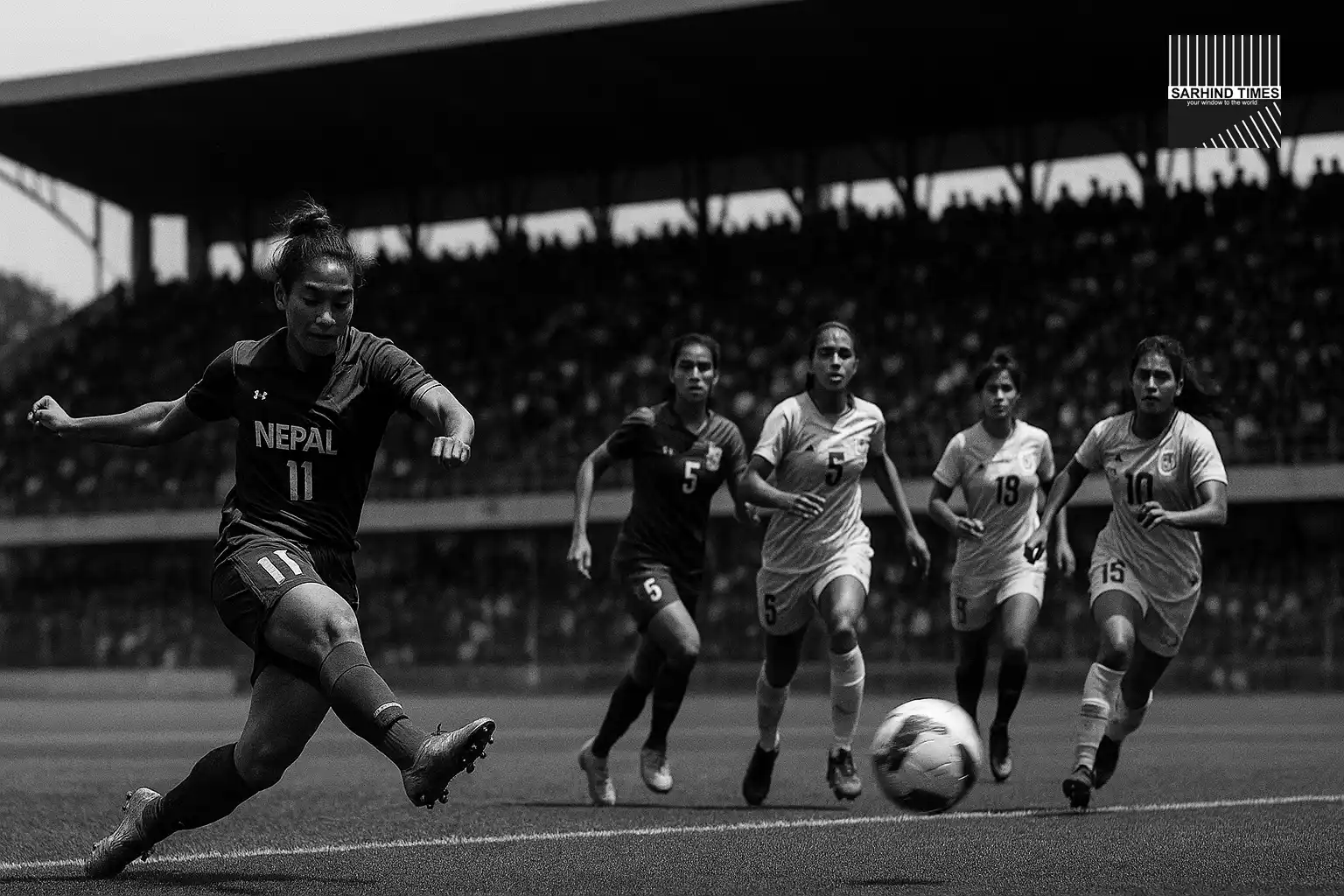
Despite India’s late push, Nepal’s early brace by Sabitra Bhandari proves decisive
Dateline: Shillong | 28 October 2025
Summary: The India women’s national football team suffered a 1-2 defeat against the Nepal women’s national football team at the Jawaharlal Nehru Stadium in Shillong during the Tri-Nation Women’s International Friendly, with Sabitra Bhandari’s brace handing Nepal the win and Karishma Shirvoikar’s late goal for India proving insufficient.
“`
Early setback and India’s response
India controlled much of the possession in the first half but failed to craft clear-cut chances until around the 30-minute mark. Bhandari’s early strike changed the dynamics, forcing India to play with more urgency. Nepal, by contrast, sat deeper and looked for counter-moves.
In the 63rd minute, Bhandari appeared again—this time meeting a through ball to slot home her second of the match and extend Nepal’s lead to 2-0. India, now trailing, pressed harder and eventually registered their breakthrough when Karishma Shirvoikar scored in the 81st minute—her maiden goal for the senior national side. But time ran out as India were unable to force an equaliser.
Significance for Indian women’s football
For India, the loss raises both concerns and opportunities. While the squad demonstrated resilience by pushing for a recovery, defensive lapses—particularly in the early minutes—proved costly. With major tournaments ahead, including qualifiers and continental competitions, such friendlies offer vital lessons.
Nepal’s confidence, in contrast, was bolstered by Bhandari’s display. Her clinical finishing highlights why she remains a set-piece of Nepal’s attack and a player India will need to watch. The result may offer Nepal a psychological boost while serving as wake-up call for India’s coaching staff and defenders.
Tactical observations
India’s midfield generated a good volume of passes, but penetration into the final third was limited until after the 60-minute mark. Nepal’s defensive shape in the first half invited India to move the ball wide but cut off central channels effectively. After going 0-2 down, India shifted to a more direct attacking setup—with overloading on the wings and introduction of fresh legs—but lacked the composure in the final pass.
The goal-scoring patterns reflect this. Bhandari’s first came from a quick direct move; her second from a high-pace transition. India’s goal from Shirvoikar was a well-designed set-up, showing that the build-up play is improving. However, converting such moves into more earlier goals will be critical in future matches.
What this means ahead
With the 2026 continental qualifiers approaching, India will need to tighten the gaps exposed here—particularly in early concentration, transition defence, and creating high-quality chances while ahead on the ball. For Nepal, this result confirms their rising stature in South-Asian women’s football and adds pressure on India to raise standards.
Voices & reactions
Coach of the Indian team commented post-match: “We created chances but conceded far too early. We must learn to start sharp and maintain intensity for the full 90 minutes.” Meanwhile, Nepal’s captain praised her team’s belief: “We started fast and stayed disciplined. Sabitra made the difference, but this win belongs to the whole side.”
Looking ahead
The Tri-Nation friendly is part of India’s build-up ahead of major contests in the region. The next friendly will give the Injdians another opportunity to test combinations, blood younger players, and fix defensive lapses exposed today. For Nepal, momentum may translate into confidence for upcoming South-Asian Championships and FIFA development tournaments.
Conclusion
This match encapsulates both hope and caution for Indian women’s football. The fighting spirit shown by India post-conceding two early goals signals growth. But the inability to start strong and control momentum remains a barrier. As the sport enters a more competitive phase in Asia, such matches will matter—not just for results but for building mental and tactical resilience.



+ There are no comments
Add yours