
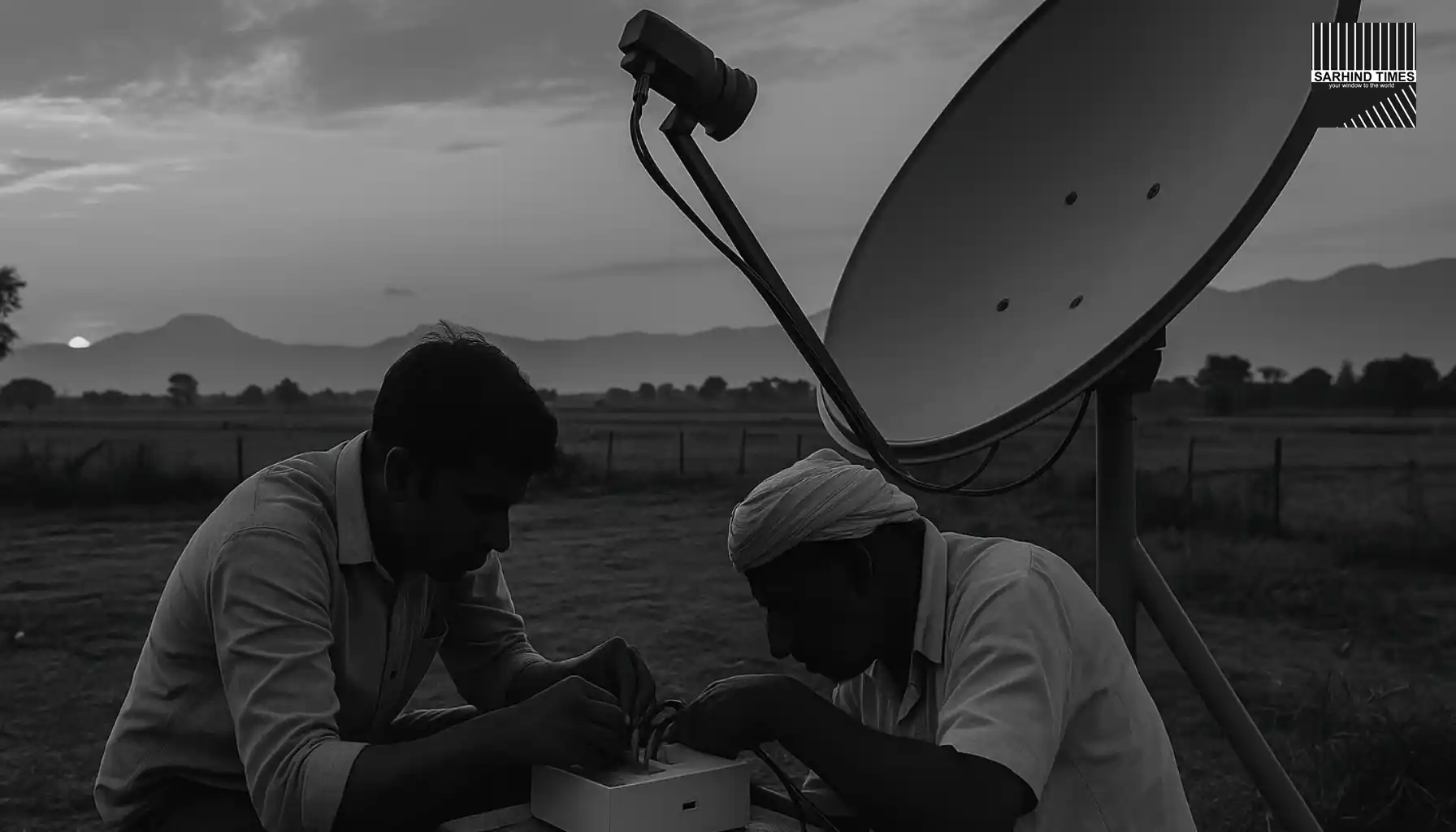
Elon Musk’s Satellite Internet Venture Enters India’s Regulatory Radar
Dateline: New Delhi | 26 October 2025
Summary: Starlink has commenced security trials in India as part of its preparation for a commercial broadband launch. Indian regulators are closely monitoring pricing and spectrum compliance ahead of the venture’s full roll-out.
Trial Launch and Regulatory Context
Satellite internet provider Starlink, backed by Elon Musk, has begun security trials in India ahead of its commercial launch, according to official sources. These trials are being conducted to satisfy national security and licensing norms which include encryption protocols, spectrum use, and local data-handling compliance.
Why India? Strategic Market and Connectivity Gaps
India remains one of the largest underserved broadband markets globally despite rapid growth in fibre and mobile data. Remote regions, hilly terrain and maritime areas pose connectivity challenges. Starlink’s technology has the potential to address such last-mile issues, especially in rural and difficult terrain zones, offering high-speed low-latency satellite broadband.
Regulatory Landscape and Challenges
The trial phase has come amid discussions around broadband licensing, spectrum usage and retail pricing rules for satellite internet. India’s telecommunications regulator and security agencies remain cautious about foreign-owned satellite networks entering the consumer domain. While Starlink proposes direct-to-consumer models, compliance with Indian norms for encryption, satellite down‐linking and customer data handling must be satisfied.
Commercial Launch Timeline & Pricing Hurdles
Although no firm date has been announced, India-market watchers expect a launch in late 2025 to mid-2026, provided regulatory clearances align. Pricing remains a key pivot: local pricing should align with Indian broadband tariffs while sustaining the satellite business model’s high operational costs.
Potential Market Impact
If Starlink successfully launches, the technology could disrupt fixed-line broadband and challenge existing providers, particularly in rural or remote areas. It may also propel enterprise use-cases in sectors like agriculture, mining, maritime and energy.
Competitor Landscape and Indian Operator Responses
Indian broadband providers and mobile network operators are already increasing infrastructure and offering hybrid satellite-terrestrial solutions. Starlink’s entry may push Indian operators to accelerate upgrades, reduce costs and expand services into white-space areas.
Security and Sovereignty Considerations
The security trials specifically address concerns about data sovereignty, resilience of critical communication links, and possible foreign-control vulnerabilities. India has mandated orbit and spectrum usage oversight for satellite systems. A foreign-owned direct-to-consumer satellite broadband thus triggers multi-agency review involving telecom, space, defence and home affairs departments.
What This Means for Consumers
For consumers, Starlink may offer: high-speed broadband in remote homes, faster connectivity for mobile towers in fringe areas, and enterprise solutions for logistics or mining operations. However, cost, installation logistics (satellite dish, line-of-sight), and long-term plan pricing remain key questions.
Conclusion
The commencement of security trials by Starlink in India signals a significant step in the country’s broadband evolution. With India’s large connectivity needs, regulatory complexity and competitive operator landscape, the journey from trials to full roll-out will be closely watched. For consumers and industry alike, the entry of a global satellite-internet player could shape the future of broadband access in India’s more challenging geographies.



+ There are no comments
Add yours