
New Delhi, October 4:
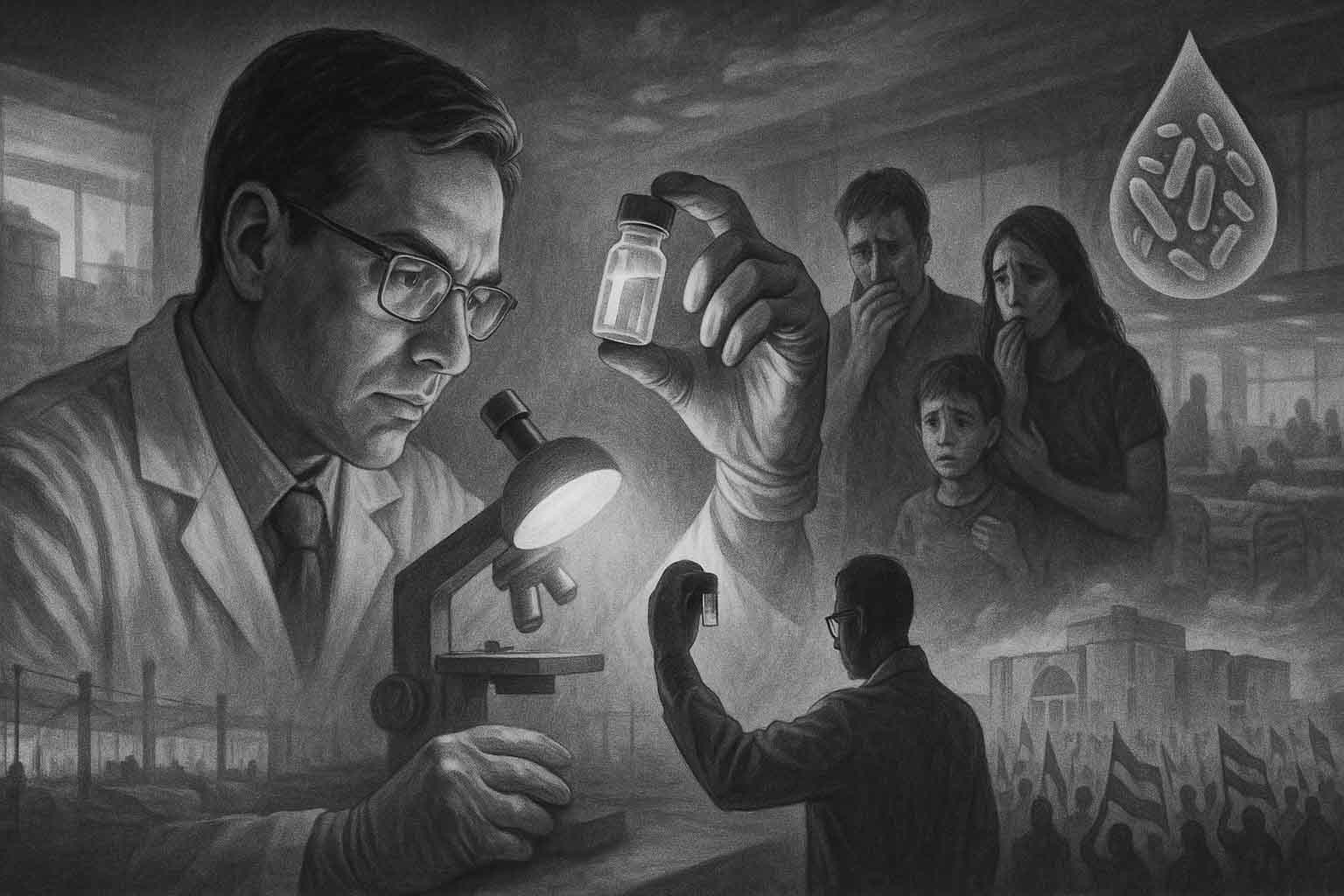
The Union Health Ministry has confirmed that no contamination was found in cough syrups under investigation in Madhya Pradesh and Rajasthan after reports of pediatric fatalities raised alarm across the country. While the findings ease fears of another drug-quality crisis, officials revealed that one affected child tested positive for leptospirosis, a bacterial infection typically associated with contaminated water.
The update comes after emergency recalls and extensive batch testing, sparking a larger conversation on India’s pharma safety standards, regulatory vigilance, and the challenges of ensuring pediatric medication safety.
The Trigger: Pediatric Fatalities
The controversy began when several child deaths were reported in parts of Madhya Pradesh and Rajasthan, where parents alleged a link with cough syrups administered for routine illnesses.
Given India’s recent global scrutiny over drug-quality lapses—including incidents linked to exports in Gambia and Uzbekistan—the reports triggered an immediate central probe. The Health Ministry, working with state Food and Drug Administrations (FDAs), conducted toxicological and microbiological testing of suspect batches.
The Findings
- No Contamination: Lab results confirmed that all samples tested complied with safety standards.
- Leptospirosis Detected: One child tested positive for leptospirosis, a disease caused by the Leptospira bacteria, often spread through water contaminated by animal urine.
- Regulatory Vigilance: Despite clear test results, the Health Ministry has instructed state FDAs to strengthen market surveillance and increase random sample testing.
Why the Alarm Was High
India is the world’s largest supplier of generic medicines, and its reputation has suffered in recent years after foreign regulators flagged substandard batches. Even a single suspected contamination case involving children creates fear, political pressure, and global scrutiny.
The initial fear was that poor manufacturing standards or compromised cold-chain logistics could have led to contamination—a scenario with catastrophic reputational consequences for the Indian pharma industry.
Understanding Leptospirosis
Leptospirosis is a zoonotic bacterial infection:
- Cause: Spread through contact with water or soil contaminated by urine of infected animals.
- Symptoms: Fever, muscle pain, jaundice, and in severe cases, kidney or liver damage.
- Risk Groups: Children playing in contaminated environments, farmers, and those in flood-affected areas.
Doctors suggest that in this case, the infection was likely coincidental rather than drug-induced, highlighting the importance of differential diagnosis before attributing blame to medicines.
The Broader Pharma Safety Debate
The episode has rekindled discussions on India’s pharmaceutical ecosystem:
- Pharmacovigilance Gaps: Experts say India’s adverse drug event reporting is often delayed or incomplete, especially in pediatric cases.
- Domestic vs Export Standards: Calls have grown to harmonize India’s domestic pharmacopeial standards with stricter global benchmarks.
- Cold-Chain Practices: Even safe drugs can degrade if storage conditions are ignored, especially in rural areas.
- Over-the-Counter Culture: Easy availability of pediatric syrups without prescriptions remains a major risk.
Parents’ Concerns
Parents in the affected districts expressed confusion. “One day we are told cough syrups killed children, the next day we are told they are safe. Who do we trust?” asked Meena Sharma, a mother from Indore.
Doctors urged parents to rely strictly on qualified prescriptions and avoid self-medicating children. “Even safe medicines can be harmful if dosages are not monitored,” said Dr. R. Bhatia, a pediatrician.
The Industry’s Response
Pharma manufacturers welcomed the Health Ministry’s findings, arguing that premature allegations damage reputations without evidence. “This confirmation restores faith in domestic quality control,” said a spokesperson for an Indore-based pharmaceutical firm.
Yet industry leaders admitted that the perception problem persists. “Global buyers are watching India closely. Each incident raises questions about consistency,” one exporter noted.
Public Health Perspective
- Positive: The clean chit shows regulatory response was swift and science-driven.
- Negative: The case revealed gaps in how quickly authorities communicate accurate information to the public.
- Lesson: Strengthening pharmacovigilance and public communication is as important as laboratory testing.
Political Angle
Opposition parties had criticized the government for “repeated failures” in pharma safety, citing the earlier international controversies. The Health Ministry’s clarification may diffuse immediate pressure, but systemic reforms are likely to remain a political talking point.
The Way Forward
Experts recommend a three-pronged strategy:
- Enhance Pharmacovigilance: A stronger national adverse-event reporting system.
- Cold-Chain Modernization: Ensuring medicines are transported and stored under proper conditions.
- Public Education: Awareness campaigns about the risks of over-the-counter pediatric medication.
Conclusion
The Health Ministry’s findings are a relief for both parents and the pharmaceutical sector: no contamination was found in the syrups, and the identified infection points to environmental causes rather than drug failure.
Yet the incident is a wake-up call. With India’s reputation as a pharma powerhouse at stake, the country must treat domestic medicine safety with the same urgency it accords exports. For parents and patients, the lesson is equally clear—medications should only be used under proper medical supervision.
#Health #PharmaSafety #CoughSyrup #Leptospirosis #PublicHealth #Regulation #IndiaPharma



+ There are no comments
Add yours