
13 Sep 2025
The Coming Housing Crunch
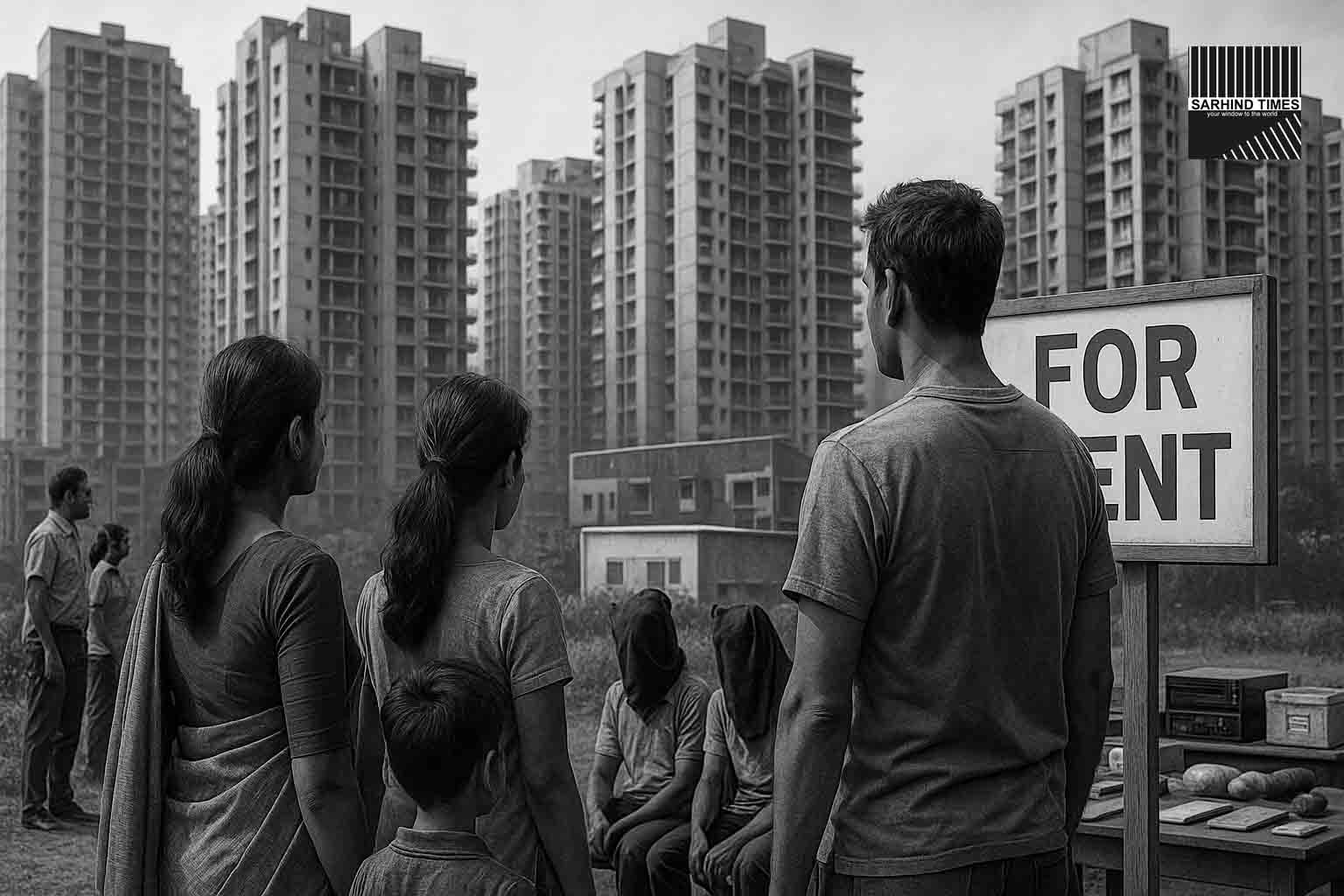
India’s real estate market is heating up again. According to the latest projections, home prices in India are expected to rise by ~6.3% in 2025 and ~7.0% in 2026, continuing an upward trajectory that risks putting home ownership out of reach for millions. With a housing shortfall already estimated at 10 million units, the crisis of affordability may deepen, leaving families with little choice but to turn to expensive rentals.
At the heart of the issue lies a paradox: while India’s economy grows and urban demand surges, wages remain stagnant, making it increasingly difficult for middle-class and lower-income households to purchase property in major cities.
The Numbers: Rising Prices, Rising Burden
- 2025 Forecast: Home prices expected to rise ~6.3%.
- 2026 Forecast: Home prices expected to rise ~7.0%.
- Housing Shortfall: Estimated at 10 million units nationwide.
- Rental Pressure: Average rents in metro cities like Mumbai, Delhi, Bengaluru, and Hyderabad have already risen by 20–30% in the last two years.
This imbalance means millions of Indians will face a twofold challenge—difficulty in purchasing homes and growing reliance on costlier rentals.
Why Prices Are Rising
Several factors are driving the surge in home prices:
- Urban Migration: With India’s urban population projected to cross 600 million by 2031, demand for city housing continues to rise.
- Land Costs: Scarcity of urban land keeps land prices high, limiting affordable housing development.
- Construction Costs: Rising input costs—cement, steel, labor—add to project pricing.
- Speculative Investment: Wealthy investors increasingly treat real estate as a safe haven, buying units for appreciation rather than occupancy.
- Policy Bottlenecks: Delays in approvals and lack of large-scale affordable housing projects exacerbate supply shortages.
The Rental Squeeze
As buying becomes unaffordable, more households are being pushed into renting:
- Delhi NCR: Rents for 2BHK apartments have surged by 25–30% in areas like Gurugram and Noida.
- Mumbai: Already India’s most expensive city, rentals in prime suburbs have gone up by 20% since 2023.
- Bengaluru: Driven by tech-sector demand, rents in Whitefield and Electronic City are up 28%.
- Hyderabad: Once affordable, key IT corridors have seen rents rise by 22%.
For families earning average wages, these rental spikes eat up 30–50% of household income, leaving little for savings or other essentials.
Who Is Most Affected?
- Middle-Class Families: Those seeking to transition from renting to ownership face mounting barriers.
- Young Professionals: Urban workers, especially in IT and service industries, are trapped in a cycle of rising rents and stagnant salaries.
- Low-Income Migrants: With little access to formal housing, many turn to informal settlements or shared rentals, worsening living conditions.
Expert Voices
- Anuj Puri, Chairman, Anarock Group:
“India’s housing affordability index has worsened over the past two years. The double-digit rent hikes in urban centers reflect demand-supply mismatches that need urgent correction.”
- Ritika Sharma, Urban Policy Analyst:
“The problem is not only rising prices but also the absence of large-scale affordable housing projects. Without intervention, the housing gap will continue to grow.”
Affordable Housing: A Missing Piece
India has launched several schemes—PMAY (Pradhan Mantri Awas Yojana) being the flagship—aimed at affordable housing. Yet progress has been slower than anticipated.
- PMAY Target: 20 million houses by 2022.
- Status: Many projects remain incomplete, with bottlenecks in land acquisition and state-level approvals.
- Private Developers: Often prefer mid- to high-end projects, where profit margins are higher.
The result: the affordable housing segment remains under-supplied, forcing buyers and renters into financial strain.
Global Comparison
India is not alone. Across the world, rising home prices have left younger generations struggling:
- US: Home prices up ~40% since 2019, fueling rental inflation.
- UK: Millennials face affordability challenges, with average house prices at 8–10 times median income.
- China: Despite a real estate slowdown, Tier 1 cities remain unaffordable for the middle class.
India’s case is distinctive because its urbanization is still accelerating, meaning the affordability crunch will likely intensify unless addressed.
The Human Side: Families Under Pressure
- Ramesh Kumar, IT Professional, Bengaluru: “Every year, my rent increases by 15–20%. Buying a house is a dream, but with prices rising faster than my salary, it feels impossible.”
- Anita Devi, Teacher, Delhi NCR: “We planned to buy a 2BHK, but the down payment itself is unaffordable now. Renting is our only option, but it drains our income.”
Stories like these reflect how the housing market is shaping the everyday financial realities of millions.
Possible Solutions
Experts and policymakers suggest several measures:
- Boost Affordable Housing Projects – Prioritize mass-scale housing for middle- and low-income families.
- Public-Private Partnerships (PPP) – Leverage private developers with government subsidies and incentives.
- Rental Housing Policy – Encourage development of rental housing with better regulation.
- Smart Urban Planning – Expand housing beyond metro cores into suburban and Tier-2 cities with improved infrastructure.
- Wage Growth Alignment – Without wage increases, affordability cannot improve; policies to boost real income are critical.
Conclusion: A Fork in the Road
India’s housing market stands at a crossroads. The forecasted rise in home prices—6.3% in 2025 and 7.0% in 2026—could push ownership dreams further away for millions. If left unaddressed, the 10 million-unit shortfall may worsen, deepening inequality between those who can afford property and those trapped in perpetual rentals.
For policymakers, developers, and society, the challenge is clear: bridge the affordability gap before it turns into a full-blown housing crisis.
#HousingCrisis #IndiaRealEstate #AffordableHousing #RisingRents #UrbanIndia #HomeOwnership #PMAY #EconomicInequality #India2025



+ There are no comments
Add yours